


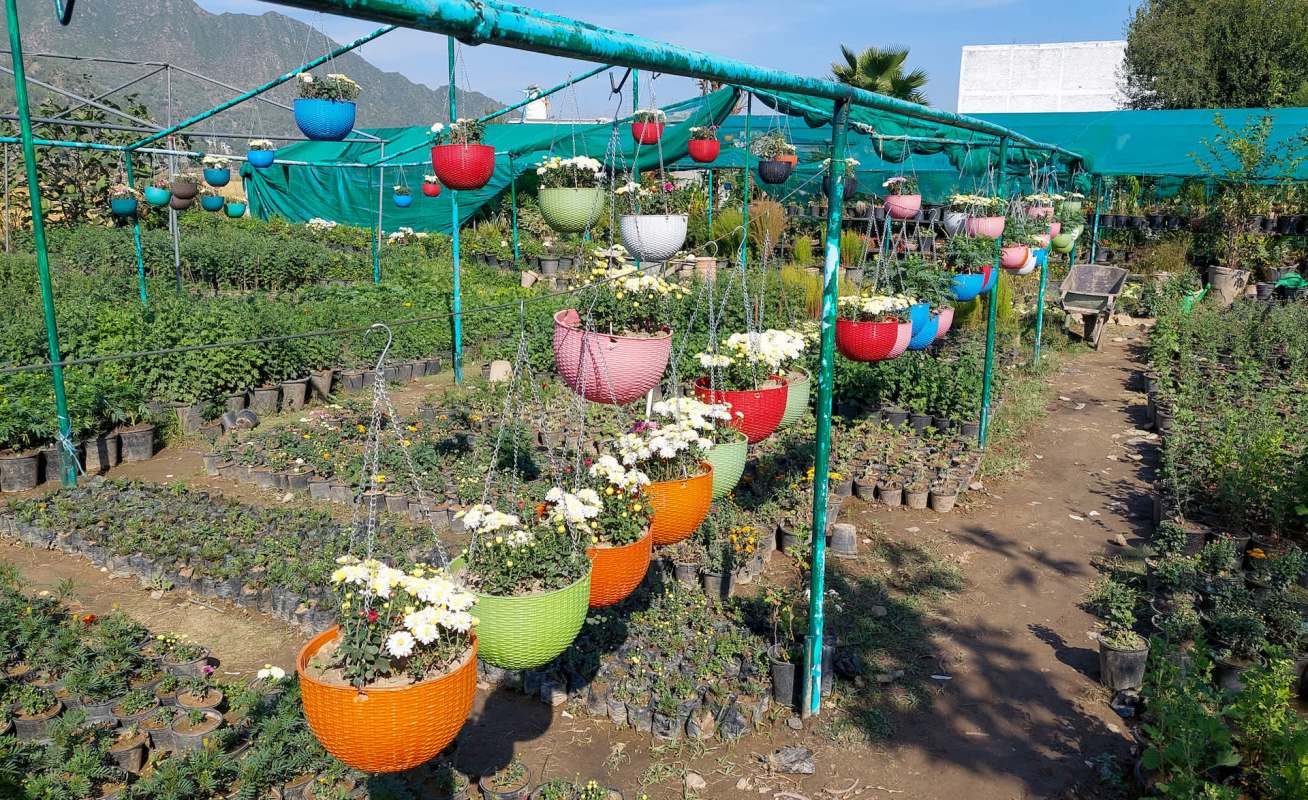
A social media group dedicated to identifying and eradicating invasive plants was dismayed to find a problem species being openly sold, accompanied by only a warning label, in a nursery in Delaware.
The Facebook post asked, "Why is this being sold?" The signs indicated that the invasive creeping jenny, also known as moneywort, was being sold at a bargain price.
This pesky plant was introduced to the United States in the 18th century and has spread widely. As the State of Indiana Cooperative Invasives Management noted, moneywort causes immense ecological harm.
The plant is highly adaptable and does particularly well in wetlands, where it thrives in moist and shaded locales. Its aggressive growth means that it outcompetes native flora and disrupts the food web. When abundant, it can even alter the hydrology of crucial wetland habitats.
The post highlights the importance of making informed decisions to prevent the spread of invasive plants. Rather than opting for a harmful species with only ornamental value, it's much better to upgrade to a natural lawn with native flora.
Rewilding a yard makes sense ecologically and financially. Native plants are perfectly adapted to their local environment and support pollinators — and they require minimal maintenance.
Dozens of commenters expressed their frustration with the inadequacy of the half-measure.
One said, "Should be outright banned if it's known to be destructive."
A similar post said, "While it's better than nothing, it's still not as good as a ban."
Another tried to look on the bright side, saying, "It looks awful, but it's an improvement over no labeling."
TCD Picks » Quince Spotlight
💡These best-sellers from Quince deliver affordable, sustainable luxury for all




|
Should the government ban gas-powered lawn equipment? Click your choice to see results and speak your mind. |
 Absolutely 💯
 A fourth commenter lamented the tendency to prioritize aesthetics over all other concerns.
"It is just very sad," they said. "The ability to decorate our gardens with the least money and time comes before protecting our environment. Making ignorant mistakes is one thing, ignoring known harms is a totally different thing."

Join our free newsletter for good news and useful tips, and don't miss this cool list of easy ways to help yourself while helping the planet.
Cool Picks





