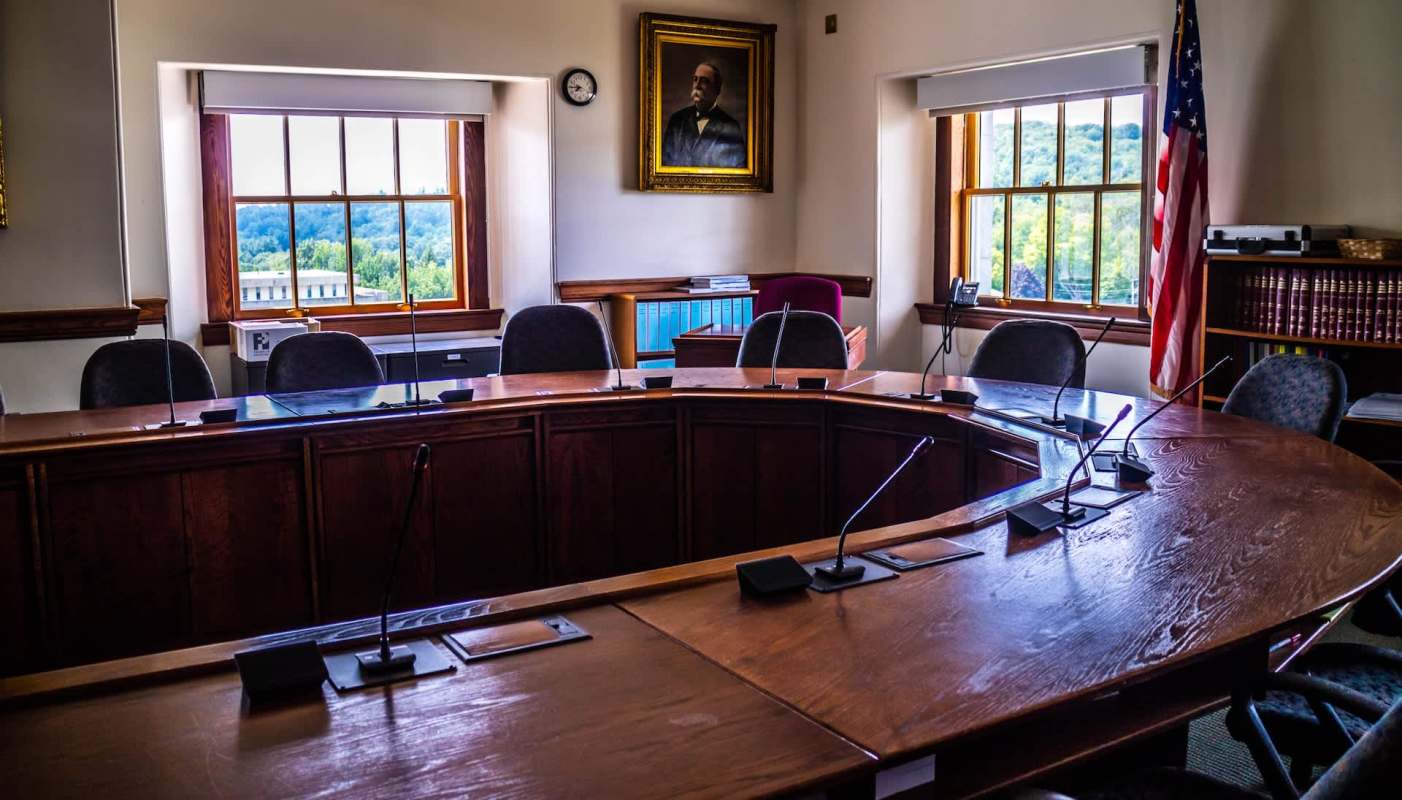
In Campbell County, Wyoming, commissioners have delayed a decision on nuclear waste storage amid strong public opposition.
As County17 reported, the draft resolution proposed would prevent the storage of nuclear waste in boreholes until the public votes. Residents cited concerns about safety and the environment and wondered how the Department of Energy would manage spent fuel without causing pollution.
Commissioners listened to the community's concerns and planned a workshop to "refine the resolution's language," per the report. Commissioner Scott Clem explained that current laws don't allow high-level spent nuclear fuel storage to be voted on, but the board might agree to campaign for revision.
The board also confirmed that the resolution would not hinder the work of a company interested in a nuclear component manufacturing project.
While nuclear waste storage is not dangerous when managed properly, high-level waste is the most radioactive and can persist in the environment for hundreds of thousands of years, requiring long-term isolation from the biosphere.
However, according to the U.S. Energy Information Administration, storage methods are highly engineered and regulated to ensure safety, with the U.S. Nuclear Regulatory Commission overseeing the handling, transportation, and storage of waste to protect public health and the environment.
Perk up the winter blues with natural, hemp-derived gummies Camino's hemp-derived gummies naturally support balance and recovery without disrupting your routine, so you can enjoy reliable, consistent dosing without guesswork or habit-forming ingredients. Flavors like sparkling pear for social events and tropical-burst for recovery deliver a sophisticated, elevated taste experience — and orchard peach for balance offers everyday support for managing stress while staying clear-headed and elevated.
Learn more → |

The consensus among experts is that deep geological disposal is the best long-term solution for permanently isolating nuclear waste, and while no permanent facility is yet available in the U.S., current storage methods have not caused any serious issues, according to the World Nuclear Association.
There are valid concerns about nuclear energy, such as the potential for accidents that can cause serious harm, environmental contamination, and container degradation. But the flipside is that nuclear is a reliable, high-capacity, low-carbon source of electricity that supports energy independence and economic development.
It also has a small land footprint, unlike fossil-fuel plants, which take up massive amounts of land while producing far less power per square mile.
Kaylee Cunningham, a nuclear science and engineering Ph.D. student at the Massachusetts Institute of Technology, has busted many myths about the dangers of nuclear energy, including the claim that nothing can be done about nuclear waste. She explained that after five years, nuclear energy keeps 90% of its potential energy and can be reprocessed.
TCD Picks » Upway Spotlight
💡Upway makes it easy to find discounts of up to 60% on premium e-bike brands




"At the end of the day, the fight is to save the planet," Cunningham told MIT News. "I honestly believe that nuclear power is the best chance we've got to fight climate change and keep our planet alive."
|
How would you feel about a nuclear power plant being built near your home? Click your choice to see results and speak your mind. |
 I'd be excited 😀
Get TCD's free newsletters for easy tips to save more, waste less, and make smarter choices — and earn up to $5,000 toward clean upgrades in TCD's exclusive Rewards Club.
Cool Picks