


Artificial intelligence has been a hot topic of late, with debates ranging from concerns over its energy use to fears of widespread unemployment to skepticism about the technology's role in military operations.
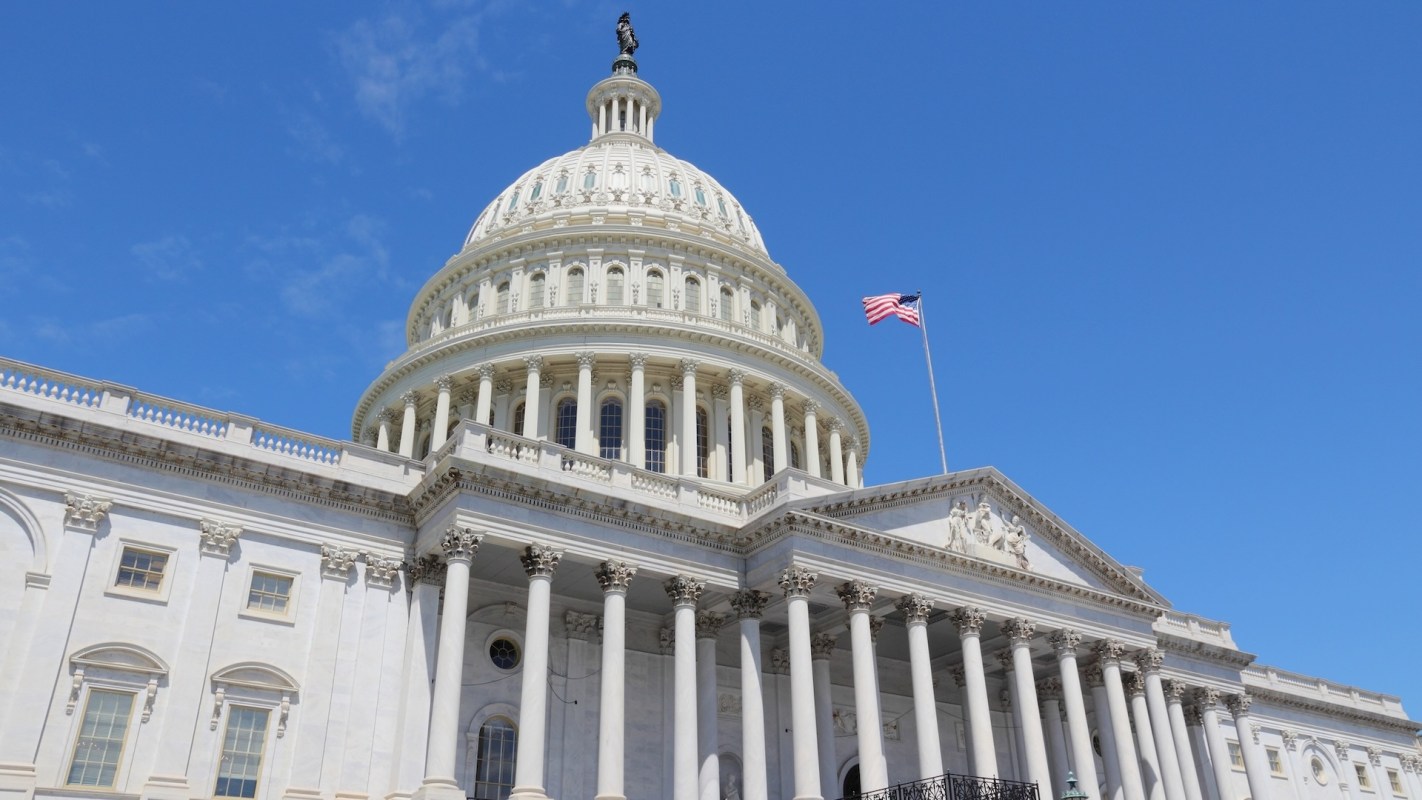
Now, the Trump administration is pushing lawmakers to address many of these issues all at once in sweeping federal legislation that would govern the AI industry across the United States.
To that end, the administration released a proposed national framework for AI policy and has urged Congress to transform the framework into law by the end of the year.
With Congress busy debating a new voting law in the lead-up to midterm elections in the fall, the administration faces an uphill battle getting both measures to pass through a sharply divided legislature.
The new AI framework addressed six core areas with the stated aim of "winning the AI race to usher in a new era of human flourishing, economic competitiveness, and national security for the American people," according to a White House press release.
The framework's areas of focus included child safety, the cost of electricity, intellectual property rights, free speech, training workers in AI use, and the competitiveness of the U.S. AI industry.
In the absence of federal legislation, several states, including California and New York, have taken steps to regulate the fast-growing AI industry, which experts say could reshape modern society as we know it.
According to the current administration, such state-level rules could hinder the competitiveness of the American AI industry.
"A patchwork of conflicting state laws would undermine American innovation and our ability to lead in the global AI race," the press release said.
While many experts agree that the AI industry needs regulatory guardrails, the difficulty is in the details. Exactly how policymakers will strike the balance between competing interests remains to be seen.
TCD Picks » Quince Spotlight
💡These best-sellers from Quince deliver affordable, sustainable luxury for all




|
Which of these savings plans for rooftop solar panels would be most appealing for you?
Click your choice to see results and earn rewards to spend on home upgrades. |
 Save $1,000 this year 💸
 For example, as massive, energy-hungry AI data centers have caused electricity bills to skyrocket for many ratepayers, tech companies have responded by building their own dedicated power plants.
However, such plans have sparked controversy at the local level, with residents expressing concerns over pollution and other issues.

Get TCD's free newsletters for easy tips to save more, waste less, and make smarter choices — and earn up to $5,000 toward clean upgrades in TCD's exclusive Rewards Club.
Cool Picks






