


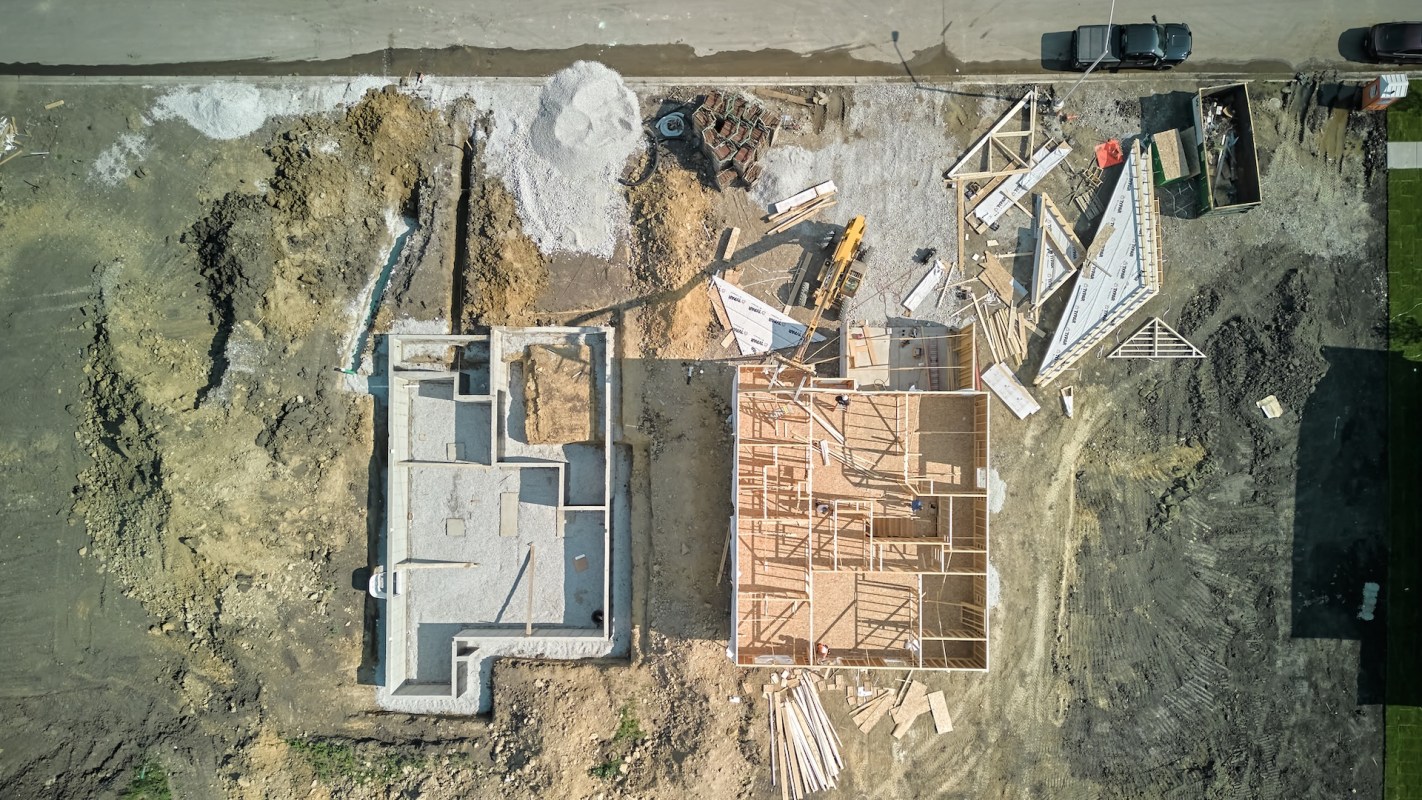
The public is accustomed to meteorologists' warnings about the dangers of extreme weather, but a forthcoming book, "Adaptive Thermal Comfort: At the Extremes," addresses the risk it poses to buildings and houses from the perspective of architects and energy experts.
What's happening?
A bit of modern folk wisdom, "always put money between you and the ground," is often applied to shoes and mattresses, but it's relevant to buildings, too.
According to Earth.com, people spend 90% of their time indoors; the houses, offices, and other structures we inhabit are arguably the primary barrier between us and the ground.
The outlet described buildings as a "third skin," an inherent barrier between people and the elements, and one that is being increasingly tested as extreme weather escalates.
While the label "extreme weather" tends to conjure up scenes of flash flooding, intense hurricanes, or devastating wildfires, extreme heat is another insidious form of it.
Modern buildings "simply weren't built for the kind of heat waves and cold storms that are showing up more often," Earth.com explained.
As temperatures rise and an even "hotter future" looms, the book's authors warned of a "dead-end generation of unadaptable and thermally dangerous buildings that require so much energy to remain habitable, that only the very wealthiest will be able to afford to occupy them."
Why is this concerning?
Extreme weather is getting demonstrably worse as the planet overheats.
Extreme heat may sound less dangerous than a supercharged storm, but the World Economic Forum warned that it kills more people each year than earthquakes, floods, hurricanes, and wildfires combined.
|
Which of these savings plans for rooftop solar panels would be most appealing for you?
Click your choice to see results and earn rewards to spend on home upgrades. |
 Save $1,000 this year 💸
 Worldwide, nearly half a million lives are lost each year because of intensifying heat waves.
TCD Picks » Quince Spotlight
💡These best-sellers from Quince deliver affordable, sustainable luxury for all




The WEF called extreme heat a "silent killer," in part because a heat wave "lacks the visibility" of violent weather patterns.
The authors of "Adaptive Thermal Comfort: At the Extremes" observed that many modern structures have already been rendered uninhabitable in increasingly commonplace weather conditions, requiring "high-cost comfort solutions" to make them livable.
At the same time, energy costs are spiking in the United States and abroad, with many modern, "highly energy-intensive" structures exacerbating the problem and increasing harmful carbon pollution to boot.
What can be done about it?
The book's authors urged planners to "stop treating machines as the only answer."
Professor Susan Rouf, one of the book's three authors, cited regions where humans have lived in weather extremes for millennia, with "locally evolved buildings" purpose-built to withstand otherwise uninhabitable temperatures.
Architects and planners need to "relearn from the wisdom of traditional builders," they advised, per Taylor & Francis, by adapting longstanding structural practices in extreme climates rather than relying on technological solutions.
Before the digital age, humanity worked with local climate patterns rather than against them, a core tenet of adaptive thermal comfort.
"We need completely new thinking that enables buildings to run on local energy, using natural ventilation, solar gain in winter, and time cooling in summer, so profoundly reducing energy use in, and carbon emissions from buildings," Rouf said.
"More efficient machines are not the solution."

Get TCD's free newsletters for easy tips to save more, waste less, and make smarter choices — and earn up to $5,000 toward clean upgrades in TCD's exclusive Rewards Club.
Cool Picks





