


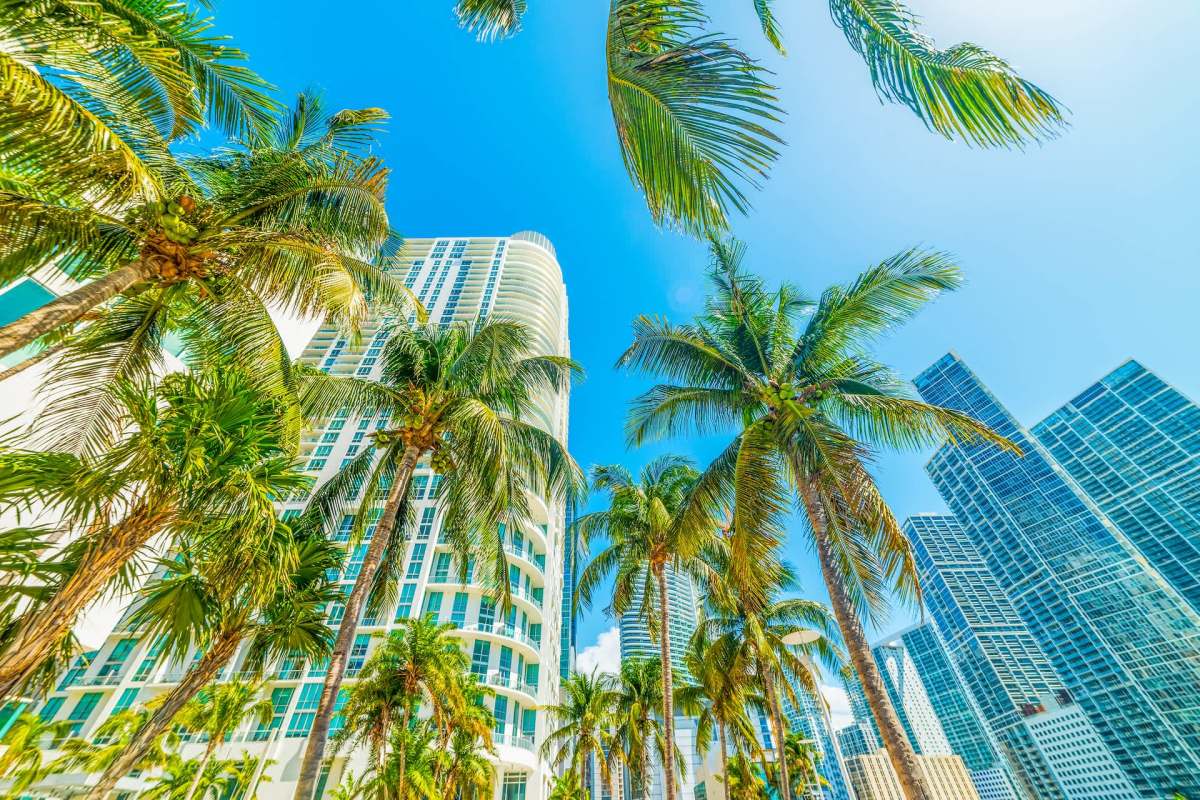
Luxury high-rise towers along Miami's barrier islands are sinking much faster than engineers predicted, with some buildings settling two to three times beyond original estimates, per the Miami Herald.
What's happening?
Settlement occurs when a structure's weight compresses the soil underneath, causing the building to sink. While some settlement is both normal and expected, engineering reports covering Sunny Isles Beach's multibillion-dollar skyline have shown that many towers are experiencing settlement far greater than initial calculations predicted.
Multiple high-rises have sunk well beyond initial predictions since construction began in the early 2000s. The Trump Towers dropped 9 inches — 3 inches more than expected — while Jade Beach sank 9 inches, which was over 5 inches more than predicted.
A University of Miami study found that most oceanfront buildings in Sunny Isles continued sinking between 2016 and 2023 — years after construction was completed, per the Herald.
"Until this particular study, nobody even thought that these things are happening, or that these things could happen," Sinisa Kolar, a Miami-based principal at the Falcon Group structural engineering company, told the Herald.
Engineers now drill foundation pilings 200 feet deep for new towers, more than double the depth used for the city's first high-rises. Recent engineering assessments acknowledge the extreme difficulty of accurately predicting how much these coastal towers will sink.
Why is the settlement important?
Greater-than-expected sinking can create expensive issues over time. Buildings can develop cracked pipes and facades, warped floors, misaligned doors and windows, or driveways that sit higher than lobby entrances. The worst scenario involves uneven settling across different parts of the building, which can crack walls or damage structural components.
South Florida's barrier islands lack solid bedrock, so construction is built atop unstable mixtures of sand, silt, plant material, and limestone. Modern towers standing 50 to 60 stories tall can place tremendous pressure on such shifting ground, exceeding anything the earlier, low-rise motels created.
Florida law requires condo owners and associations to be responsible for repair costs after seven years, when developer liability expires. Ongoing settlement could burden homeowner associations with massive expenses to repair damage related to sinking.
What's being done about South Florida settlement?
Currently, no cities or building departments in Florida monitor long-term settlement of coastal towers, according to the Herald's investigation — leaving fundamental questions unanswered about future stabilization or continued sinking.
TCD Picks » Quince Spotlight
💡These best-sellers from Quince deliver affordable, sustainable luxury for all




|
Do you worry about companies drilling too deep into the ground? Click your choice to see results and speak your mind. |
 Definitely 💯
 Experts called for formal tracking programs and public data sharing for independent researchers to investigate the causes of unexpected increases in settlement. Without this, developers and current owners have little incentive to document ongoing changes that could affect property and resale values.
While engineers are drilling deeper foundations in recent years, determining how towers stabilize could dictate whether the industry needs to rethink coastal development or find ways to anchor seaside buildings on unstable terrain.

Get TCD's free newsletters for easy tips to save more, waste less, and make smarter choices — and earn up to $5,000 toward clean upgrades in TCD's exclusive Rewards Club.
Cool Picks





