


With rising electricity costs a nationwide concern, lawmakers across the country are seeking ways to bring prices down.
A recent proposal in Massachusetts has sparked widespread backlash, with critics warning it would set back years of progress, sacrificing long-term affordability for short-term gains.
What's happening?
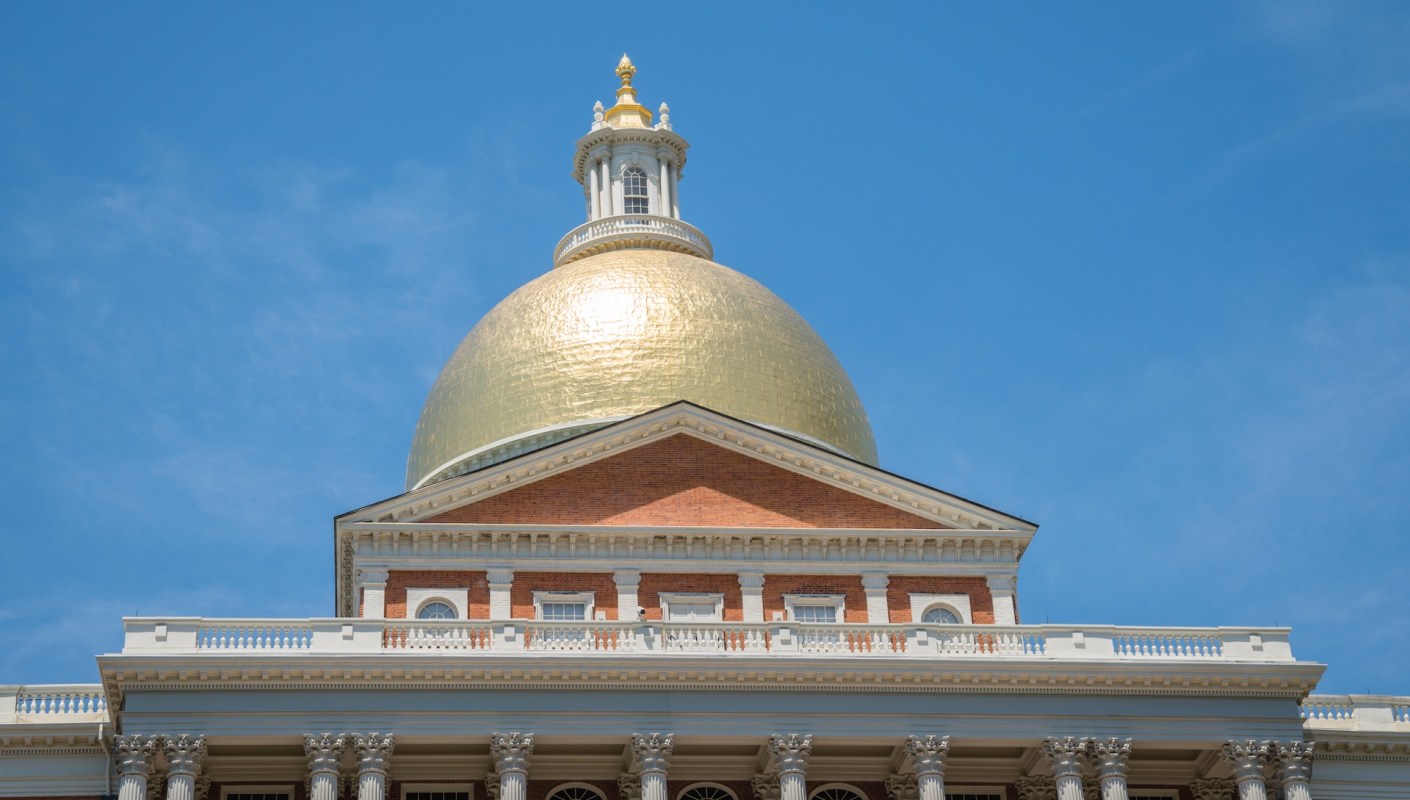
In November, the House approved a bill to make Massachusetts' 2030 pollution-reduction goals nonbinding. As detailed by Canary Media, Democratic state Rep. Mark Cusack — who authored the legislation — said his aim was to get skyrocketing energy prices under control.
As part of that plan, the Bay State would cut funding for energy-efficiency programs, such as Mass Save; restore incentives for high-efficiency gas heating systems; and limit clean-energy initiatives. For instance, cities and towns that ban gas would be unable to claim incentives for all-electric construction — a more economical way to build, according to RMI analysis.
Why is this important?
Massachusetts residents pay a premium for electricity — the third-highest prices in the nation, according to the Institute for Energy Research. However, energy-efficiency programs have proven they cut costs for consumers, along with promoting cleaner, healthier communities.
Last year, for instance, Mass Save generated $2.8 billion in benefits while eliminating nearly 300,000 tons of carbon pollution — the equivalent of taking 63,000 gas-guzzling cars off the road for a year. As Canary Media noted, lowering energy demand also produces indirect savings for customers by reducing the need to expand the grid.
"We want good energy-affordability legislation. This is not that. The claim that climate policies are the thing making prices rise is just not based in fact," Amy Boyd Rabin, vice president of policy at the Environmental League of Massachusetts, said of Cusack's proposal.
"The best you could say is that it is going after short-term affordability at the expense of long-term affordability," added Kyle Murray, Massachusetts program director at Acadia Center, a climate-action nonprofit. "Unfortunately, because it misunderstands the actual drivers of cost, it will drive up costs for ratepayers."
What's being done about this?
Dozens of organizations wrote in a letter to the House of Representatives that they "vigorously oppose" the proposal.
"Every piece of evidence is clear: what is driving affordability concerns currently is an overreliance on fossil fuel and costly traditional infrastructure," they wrote. "The longer that Massachusetts continues to rely on this outdated and costly system, the longer that ratepayers will continue to suffer."
TCD Picks » Quince Spotlight
💡These best-sellers from Quince deliver affordable, sustainable luxury for all




|
Should the federal government deregulate America's energy market? Click your choice to see results and speak your mind. |
 Absolutely 💯
 Ultimately, a lot needs to happen before the bill becomes law, according to Canary Media. Both the House and Senate would need to approve it.
But first, it needs to pass in the Senate committee, which — like the House — has many members who previously supported priorities the bill weakens.
Then, the legislation would have to pass the desk of Gov. Maura Healey, who set forth a plan in May to save ratepayers $10 billion over 10 years. Part of that plan includes bringing more clean, low-cost solutions to the Bay State, such as solar and energy storage.
If you want to take control of your energy journey regardless of your state of residence, check out TCD's Solar Explorer to save on solar installations and discover $0 down subscription plans.

Get TCD's free newsletters for easy tips to save more, waste less, and make smarter choices — and earn up to $5,000 toward clean upgrades in TCD's exclusive Rewards Club.
Cool Picks




