


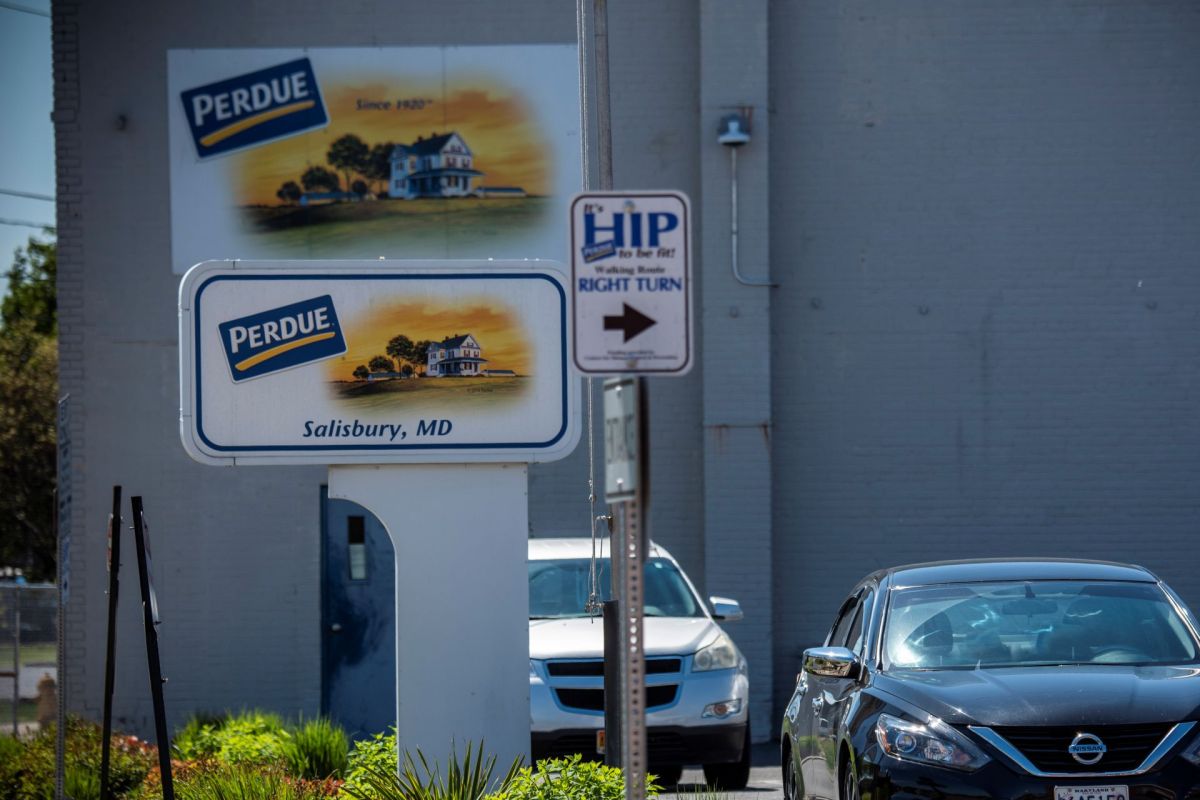
Families in Salisbury, Maryland, have said a long-awaited mediation in their case over alleged PFAS contamination tied to Perdue Farms has suddenly fallen apart.
After months of waiting for that settlement step, residents are now asking a federal judge to sanction the poultry company for backing out.
What happened?
According to The Daily Record, the proposed class-action case was on hold for five months while the sides worked toward a settlement. Plaintiffs said Perdue ended that process on July 11, only days before mediation statements were due and about two weeks before the session was supposed to happen.
The residents contend that, during that pause, Perdue filed claims against outside parties such as 3M and Johnson Controls, saying that PFAS — often called "forever chemicals" — came from firefighting foam produced by those companies.
In their request to U.S. District Judge Stephanie Gallagher, the plaintiffs asked that the case be reopened and that Perdue pay the costs they said were wasted preparing for mediation, including fees for attorneys, experts, and consultants.
The case arose from Maryland Department of the Environment findings of elevated PFAS in Perdue wastewater that plaintiffs said was discharged into a nearby stream, farm fields, and wooded areas. They argued that the alleged contamination endangered nearby families and polluted local waterways.
TCD Picks » Quince Spotlight
💡These best-sellers from Quince deliver affordable, sustainable luxury for all




Why does it matter?
PFAS are particularly concerning because they can remain in water, soil, and the human body for years.
When a case involving these chemicals stalls, families are left waiting not only for legal resolution, but also for basic answers about whether their drinking water and property may be affected.
The dispute also centers on a business practice that has long frustrated communities living near industrial pollution: delay. While companies argue over who is responsible, residents can be left dealing with the costs, stress, and uncertainty in the meantime.
That can mean buying bottled water, worrying about the safety of private wells, or wondering whether cleanup will happen quickly enough to protect children and older relatives.
This is also not the only case connected to the alleged contamination. In a separate lawsuit, two Salisbury residents claimed PFAS polluted their wells as well as more than 100 others in the area. Together, the cases suggest the effects of the suspected contamination may extend well beyond Perdue's facilities.
What's being done?
In their latest filing, the plaintiffs are seeking sanctions and asking the court to restart the case.
If Gallagher rules in their favor, Perdue could be required to repay the money residents said they spent getting ready for a mediation that never took place, and the dispute would return to active litigation instead of staying in limbo.
Perdue said it has worked with state regulators and taken measures to limit harm, including providing free bottled water, upgrading wastewater treatment systems, and replacing its fire-suppression system.
The company also argued that any fair outcome should take into account foam manufacturers and other possible sources of contamination.
"Salisbury families deserve answers and action, not more delay and finger-pointing," Philip Federico, the plaintiffs' attorney at Brockstedt Mandalas Federico, said, according to The Daily Record.
"Unfortunately, plaintiff's counsel unilaterally attempted to avoid any discussion in the mediation about the actual source and cause of the PFAS," Perdue general counsel Herb Frerichs countered. "Plaintiffs' conduct therefore has made it impossible to make meaningful progress towards a fair resolution."

Get TCD's free newsletters for easy tips, smart advice, and a chance to earn $5,000 toward home upgrades. To see more stories like this one, change your Google preferences here.






