


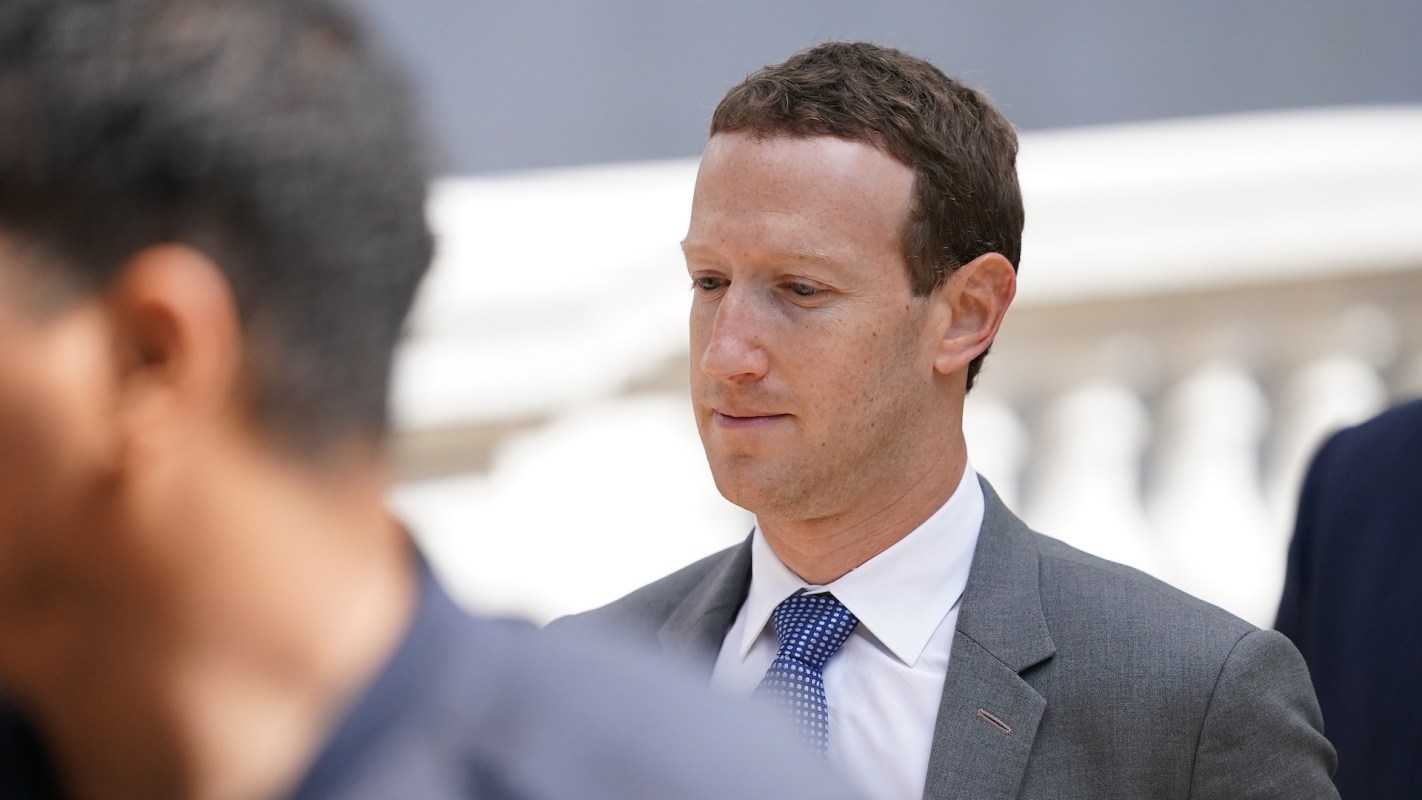
The heads of AI-chipmaker AMD and Meta competitor OpenAI have both publicly criticized Mark Zuckerberg for his strategy of poaching top AI talent with jaw-dropping offers that have reportedly reached upward of $100 million.
Both CEOs emphasized their belief that people look for more than money when deciding which company to work for, emphasizing a sense of mission over purely financial considerations.
"I think competition for talent is fierce," conceded Lisa Su, CEO of chipmaker AMD, in a wide-ranging interview with Wired. "I am a believer, though, that money is important, but frankly, it's not necessarily the most important thing when you're attracting talent."
"I think it's important to be in the zip code [of those numbers], but then it's super important to have people who really believe in the mission of what you're trying to do," she continued.
Other tech leaders have expressed similar sentiments, including Sam Altman, the CEO of OpenAI, maker of ChatGPT.
"The strategy of a ton of upfront guaranteed comp and that being the reason you tell someone to join, like really the degree to which they're focusing on that and not the work and not the mission, I don't think that's going to set up a great culture," Altman said on a podcast in June, as quoted by Business Insider.
The differing opinions on the best methods for acquiring top AI talent highlighted both the heated state of the competition and also starkly different views on concepts as fundamental as company culture and even human motivation.
Academic research has tended to support the views of Su and Altman, finding that money is not the ultimate motivator for most people. In fact, under certain conditions, money has been found to be a demotivator.
In a 2013 review of research looking into the motivational power of money, Harvard Business Review concluded, "These results have important implications for management: if we want an engaged workforce, money is clearly not the answer."
"... In a nutshell: money does not buy engagement," the article's author summarized.
TCD Picks » Quince Spotlight
💡These best-sellers from Quince deliver affordable, sustainable luxury for all




|
Do you worry about companies having too much of your personal data? Click your choice to see results and speak your mind. |
 Absolutely 👍
 The reason, according to experts, has to do with the difference between what are known as extrinsic and intrinsic motivators.
Some research has found that increasing extrinsic motivators, like money, can actually diminish the amount of intrinsic motivation a person feels toward completing a certain task. Intrinsic motivators include internal factors like "enjoyment, sheer curiosity, learning or personal challenge," according to Harvard Business Review.
This effect is particularly strong when a task is perceived to be "interesting or enjoyable" rather than "boring or meaningless."
Researchers have found that "for every standard deviation increase in reward, intrinsic motivation for interesting tasks decreases by about 25%," per Harvard Business Review, particularly logical if the employee knows they are guaranteed to earn far beyond a competitive compensation regardless of performance. "When rewards are tangible and foreseeable (if subjects know in advance how much extra money they will receive) intrinsic motivation decreases by 36%."
All of this is to suggest that Su and Altman might have been onto something when finding fault in Zuckerberg's money-first approach to attracting top talent. While dangling nine-figure payments might offer a strong incentive for someone to join a particular company, their assertion is it hardly guarantees that those individuals will stay strongly motivated over the long term. At the same time, big companies making huge profits and paying CEOs massive compensation packages also need to be willing to rethink that executive pay model and share the wealth with high-performing members of the organization.
Su, the head of AMD, told Wired she understands the importance of factors like stock price to employees. "But from a recruitment standpoint, it's always like, 'Do you want to be part of our mission?' Because the ride is really what we're trying to attract people to."

Join our free newsletter for good news and useful tips, and don't miss this cool list of easy ways to help yourself while helping the planet.
Cool Picks




