


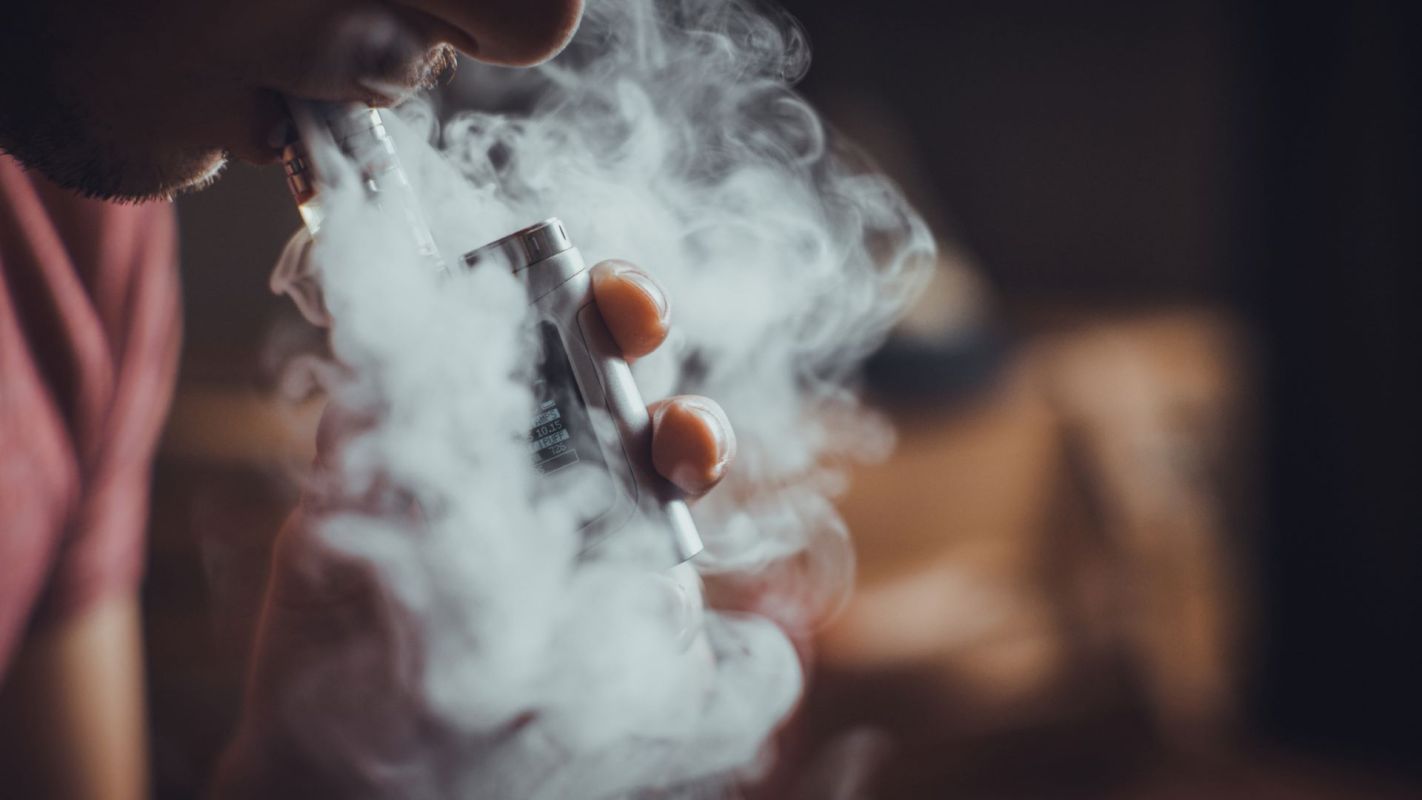
Following in the footsteps of neighboring Singapore, Malaysia is primed to institute a total ban on vape products, according to Channel News Asia.
"The question is no longer if we ban vaping, but when," Dzulkefly Ahmad told reporters in late September, according to CNA.
Ahmad indicated that, while an official plan had yet to be finalized, the country intended to institute a phased approach to the ban. First, the country would ban so-called open vaping systems, which allow users to fill the vaping devices with their own liquid rather than using pre-filled pods.
Though they vary in their scope and the severity of their punishments, a growing number of countries around the world have instituted vape bans in response to concerns about the devices' negative effects on public health, environmental impact, and potential to be laced with illicit drugs.
Singapore, with which Malaysia shares a border, has instituted the most severe ban thus far. The famously anti-drug country has completely prohibited all vape products, with more severe punishments, including potential jail time for offenders, taking effect Sept. 1.
In the U.K., where parents and government officials have expressed concern over vape products being laced with synthetic cannabinoids known as "spice," single-use vapes have been banned since June 1, according to the BBC.
Other jurisdictions have taken a more targeted approach to banning vape sales. For example, in Washington, D.C., officials recently announced a $1.2 million settlement with 7-Eleven stores that allegedly violated the District's ban on selling vape products within a quarter mile of middle schools or high schools.
Like all nicotine-containing products, vapes — sometimes referred to as e-cigarettes — are highly addictive and pose serious health risks, particularly among young people, pregnant women, and their fetuses, according to the CDC.
"Aerosol from e-cigarettes can also contain harmful and potentially harmful substances," said the CDC on its website. "These include cancer-causing chemicals and tiny particles that can be inhaled deep into the lungs."
The lithium-ion batteries in improperly discarded vape products can also cause fires in trash bins, garbage trucks, and waste disposal sites, posing a serious risk to workers.
TCD Picks » Quince Spotlight
💡These best-sellers from Quince deliver affordable, sustainable luxury for all




|
Do you think cigarettes should be illegal? Click your choice to see results and speak your mind. |
 Yes 👍
Yes 👍 Additionally, vape products contain dangerous heavy metals, toxic fire-retardant chemicals, and other hazardous substances. When vapes are discarded improperly, these substances can leach into the soil and water supply, posing yet another risk to public health as well as the environment, according to a 2023 study.
Considering all of these potential harms, it is no wonder that more and more countries and local jurisdictions have been banning vape products outright or placing strict limitations on their sale.

Join our free newsletter for good news and useful tips, and don't miss this cool list of easy ways to help yourself while helping the planet.
Cool Picks




