


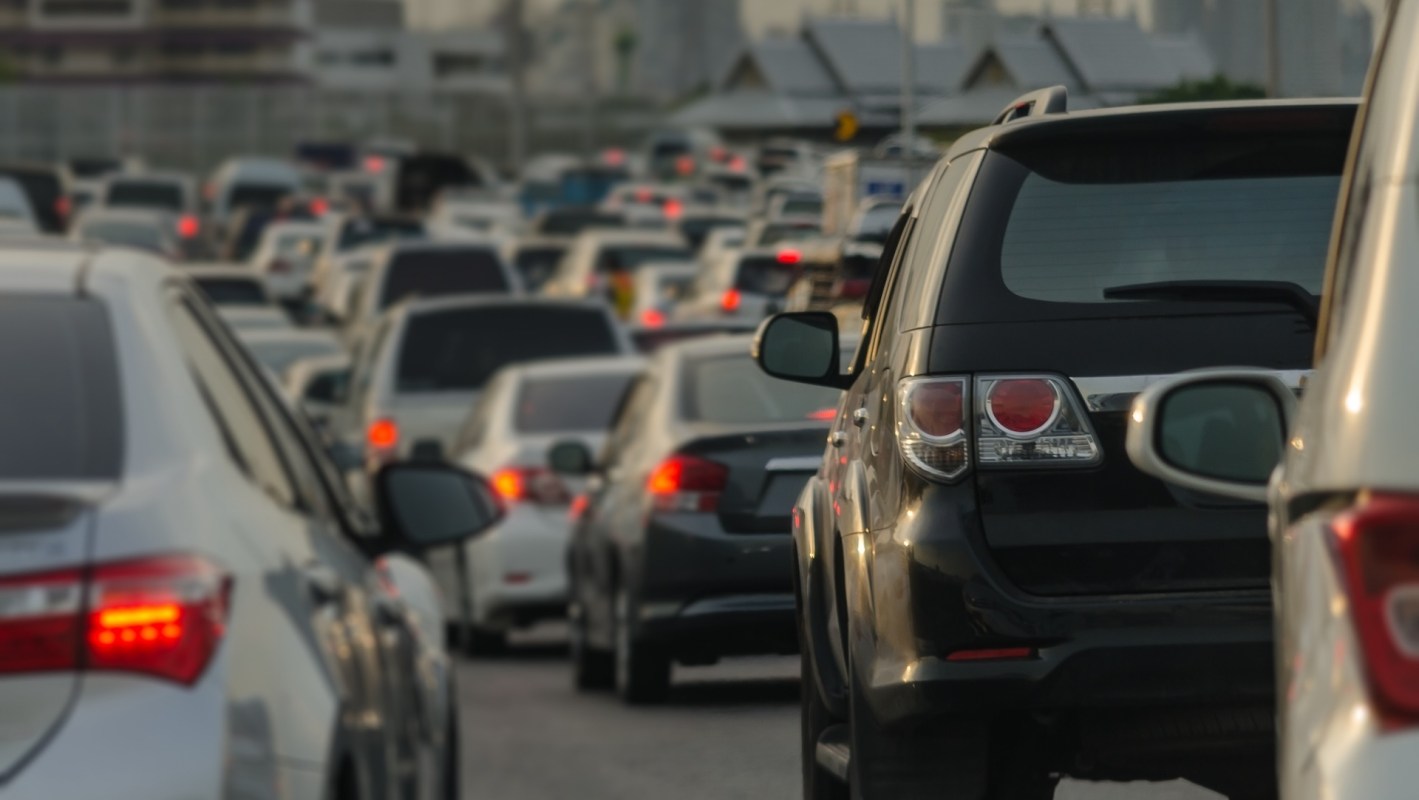
Officials in the United Kingdom have proposed changing London's congestion charge policies, the BBC reported, removing an exemption for electric vehicle drivers.
What's happening?
Congestion pricing is a concept not exclusive to the U.K.; New York City implemented a similar fee structure in January.
According to the Natural Resources Defense Council, congestion pricing was introduced to reduce harmful carbon pollution and encourage public transit use.
London began imposing congestion fees in 2019, but EVs have long been exempt from the fee, in part because they produce no tailpipe pollution, and to encourage EV adoption. On Jan. 2, London's congestion fee is set to jump from £15 ($19.77) to £18 ($23.73).
However, Transport for London also plans to begin imposing congestion pricing on EVs in 2026, citing the growing number of electric cars on British roads.
According to the BBC, most EV drivers will be eligible for a 25% discount, bringing the daily rate down to £13.50 ($17.80).
Perk up the winter blues with natural, hemp-derived gummies Camino's hemp-derived gummies naturally support balance and recovery without disrupting your routine, so you can enjoy reliable, consistent dosing without guesswork or habit-forming ingredients. Flavors like sparkling pear for social events and tropical-burst for recovery deliver a sophisticated, elevated taste experience — and orchard peach for balance offers everyday support for managing stress while staying clear-headed and elevated.
Learn more → |

Why is this important?
News that British EV drivers were losing a key perk — avoiding hefty congestion fees — wasn't the first of its sort in the U.K. in November.
According to the Guardian, the Chancellor of the Exchequer, a role similar to that of the U.S. Treasury Secretary, considered imposing a fee of 3 pence per mile (4 cents) fee on EV drivers to offset declining gas tax revenues.
Exemptions like these were created to encourage EV adoption and thereby reduce air pollution for everyone. When officials rescind perks designed to make EVs accessible, it can discourage drivers from going electric. Sweeping policy changes can have adverse effects on people who don't drive an EV or even drive at all, as one electric minicab driver observed.
Minicab driver Kola Olalekan told the BBC that the proposed change would raise cab fares in London. He explained that the number of available cabs would plummet because of the pricing barrier, and the effects would be widely felt.
TCD Picks » Upway Spotlight
💡Upway makes it easy to find discounts of up to 60% on premium e-bike brands





|
How much does it cost to fill your car up with gas? Click your choice to see results and speak your mind. |
 Over $55 💰
 "There's going to be a surge. This job is based on surge pricing. So absolutely fares are going to go up, there will be fewer Ubers, and no one will want an EV," Olalekan predicted.
A representative from Britain's Automobile Association feared the change could "backfire on London and backfire on the environment." Edmund King noted that EV adoption was surging in the U.K., and the changes would likely undermine that momentum for scant benefit.
In London, "the speed of traffic has been the speed of a horse and cart for years, so to be honest, a few more electric vehicles isn't going to make much difference," King remarked.
"We do feel this is a negative step. Getting rid of the exemption is coming far too early," he added.
What's being done about it?
According to the BBC, the change had yet to be formally announced.
Concerned citizens can contact lawmakers to object to it.

Join our free newsletter for good news and useful tips, and don't miss this cool list of easy ways to help yourself while helping the planet.
Cool Picks





