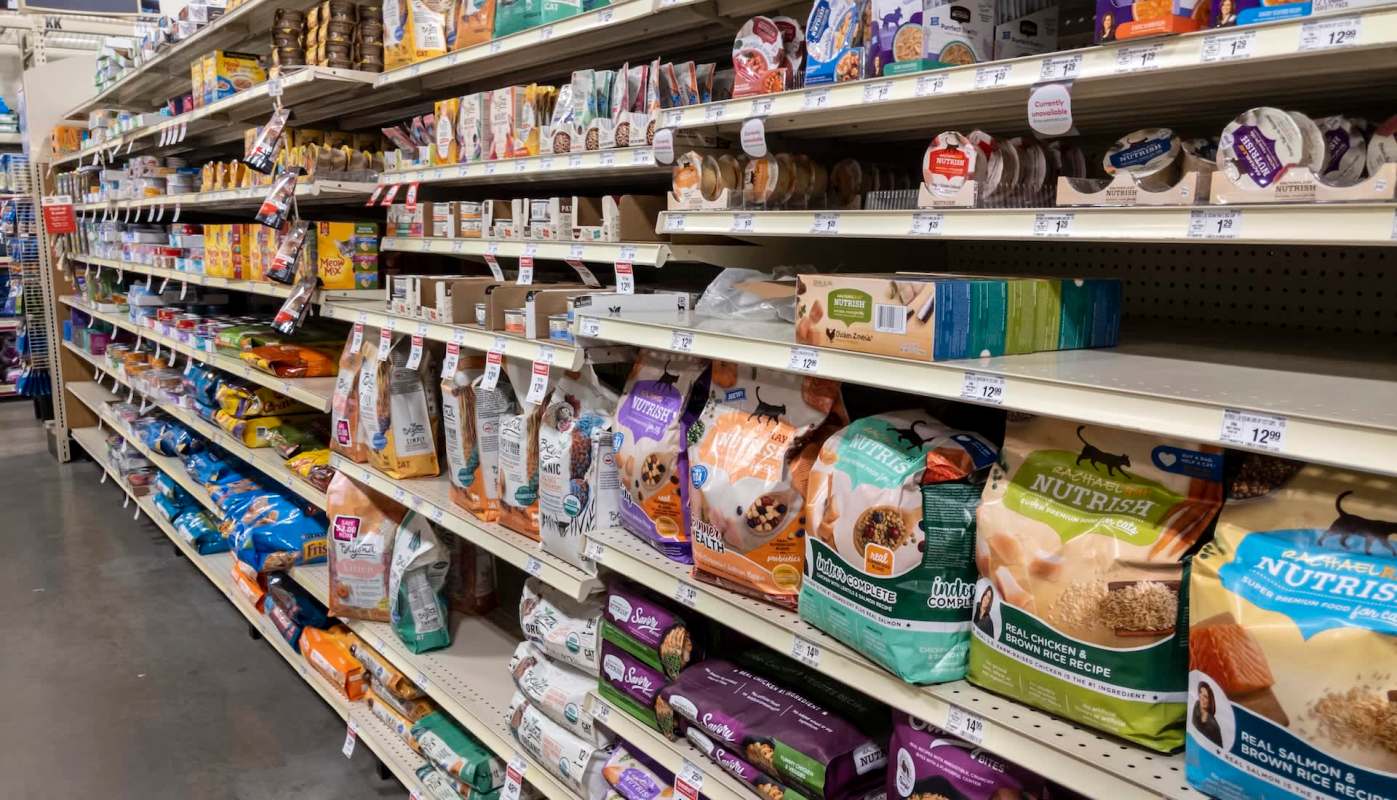
Supermarket giant Tesco has warned pet owners to check whether their Lily's Kitchen dog food is part of a recall after pieces of plastic were found in some of its products.
What's happening?
The Standard reported that Tesco has recalled 400-gram tins of Lily's Kitchen Beef, Oregano & Basil Dog Food. Tesco made this decision after plastic was found in some of the brand's Pasta al Ragu cans.
Customers who purchased can numbers 27018 to 50268, with a batch code of 5212T9097F, should not feed the food to their dogs. They should instead contact Lily's Kitchen by email at hello@lilyskitchen.co.uk or by phone at 0207 433 1863.
"Please be assured that no other products are affected by this voluntary recall," a Lily's Kitchen spokesperson said. "Lily's Kitchen has isolated the issue and are confident that they have resolved the matter. Please accept Lily's Kitchen's heartfelt apologies for this inconvenience."
Customers can also reach out to Tesco for more information.
Why is this important?
Recalls due to plastic in food aren't rare. As a Certified B Corporation, though, Lily's Kitchen meets high levels of "verified social and environmental performance, public transparency, and legal accountability to balance profit and purpose," according to a certification overview.
Perk up the winter blues with natural, hemp-derived gummies Camino's hemp-derived gummies naturally support balance and recovery without disrupting your routine, so you can enjoy reliable, consistent dosing without guesswork or habit-forming ingredients. Flavors like sparkling pear for social events and tropical-burst for recovery deliver a sophisticated, elevated taste experience — and orchard peach for balance offers everyday support for managing stress while staying clear-headed and elevated.
Learn more → |

This instance of contamination may not be indicative of a systemic problem at Lily's Kitchen itself. It could actually be highlighting a broader issue of manufacturers prioritizing speed and convenience on production lines and the food industry's heavy reliance on plastic packaging.
Besides the immediate danger of choking or injury from large plastic pieces, scientists have raised the alarm about the health risks associated with microplastic ingestion.
Microplastics are no larger than five millimeters in length.
Dr. Imari Walker-Franklin, a research chemist and microplastics expert at RTI International, told The Cool Down that there isn't "a definitive smoking gun" linking microplastics to a specific disease. However, microplastics can build up and appear to increase the risk of strokes, heart attacks, reproductive issues, and other severe health complications.
TCD Picks » Upway Spotlight
💡Upway makes it easy to find discounts of up to 60% on premium e-bike brands





|
What's the most you'd pay per month to put solar panels on your roof if there was no down payment?
Click your choice to see results and speak your mind. |
 $200 or more 💰
 What's being done about this?
Packaging accounts for more than one-third of plastic waste globally. They choke waterways for generations, harm marine life, and even serve as a conduit for pathogens.
Fortunately, healthier, more sustainable alternatives are already here at scale. A couple of years ago, for example, global water treatment company Culligan International helped Chicago's United Center swap all single-use plastic water bottles for infinitely recyclable aluminum bottles.
Meanwhile, new solutions — like an innovative milk-based packaging film out of Australia's Flinders University — are emerging. You can support these efforts by using less plastic.

Get TCD's free newsletters for easy tips to save more, waste less, and make smarter choices — and earn up to $5,000 toward clean upgrades in TCD's exclusive Rewards Club.
Cool Picks