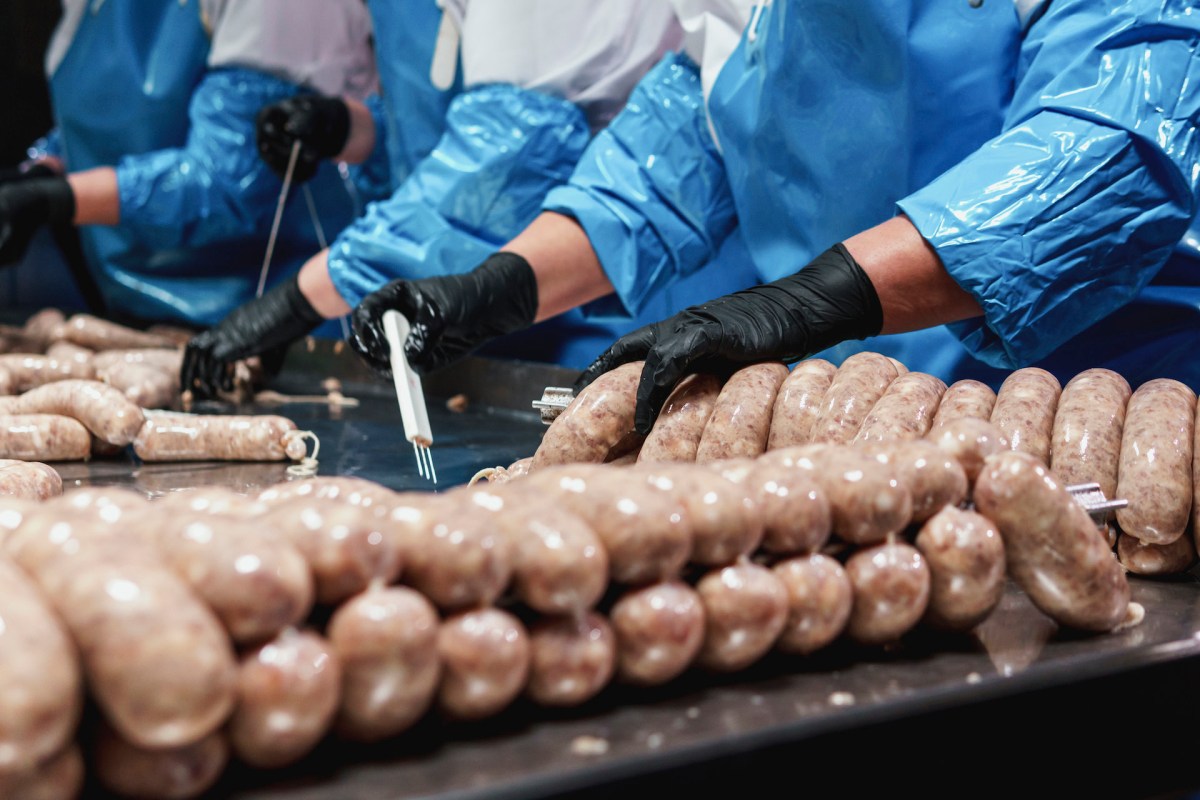
A sausage company recalled thousands of items because of plastic contamination.
What's happening?
Kayem Foods found out about the issue when it received three customer complaints, Food Safety News reported. The company contacted the U.S. Department of Agriculture Food Safety and Inspection Service about the white pieces of plastic.
The chicken sausages were packaged in 11-ounce sizes and produced June 28. The product is All Natural Al Fresco Sweet Apple Chicken Sausage with Vermont-made syrup.
Customers can determine if their purchases are part of the recall by checking the lot code (179), use/freeze by date (Oct. 1), and establishment number (P-7839). The first two identifiers are printed on the package's back label, while the last is printed inside the USDA mark of inspection, per FSN.
No injuries were reported. The sausages were shipped from Chelsea, Massachusetts, to locations around the country. Buyers can return the food or throw it away but should not eat it.
Why is this important?
Plastic contamination is worrisome because it can harm human health. The ubiquity of the material presents problems for the environment and economies as well. Plastic is made from petroleum, a dirty fuel that contributes most of the heat-trapping pollution that is causing the rapid warming of the planet. It also creates mass amounts of waste since, contrary to popular belief, it is not easily recyclable.
TCD Picks » Upway Spotlight
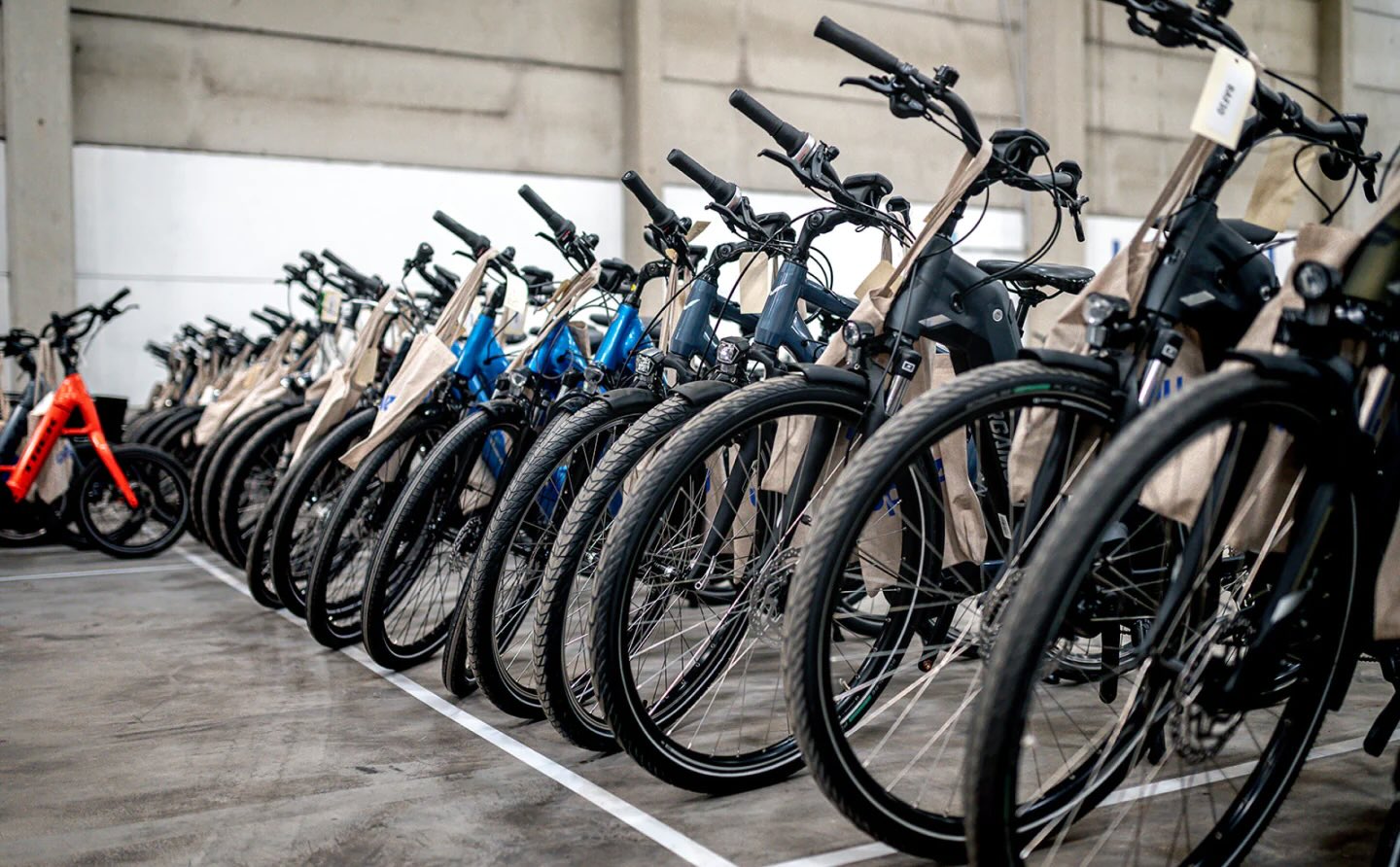
💡Upway makes it easy to find discounts of up to 60% on premium e-bike brands




This means countries lose untold sums from trash that reaches the ocean. The University of Michigan said marine waste can reduce real estate prices by 25%. And it causes up to $2.5 trillion in annual global economic damage, according to the National Caucus of Environmental Legislators, impacting tourism, fishing, and other industries.
"FSIS routinely conducts recall effectiveness checks to verify recalling firms notify their customers of the recall and that steps are taken to make certain that the product is no longer available to consumers," FSN stated. "When available, the retail distribution list(s) will be posted on the FSIS website at www.fsis.usda.gov/recalls."
What's being done about food contamination?
While microplastics are commonly found in food, water, air, and soil, larger pieces of plastic pollutants are less common. They are usually found by USDA or company inspection, though that was not the case here, and government spending cuts could make that more common.
Using alternatives to plastic in food production and packaging would reduce this risk. You can help by advocating for policy reform and using less plastic. Call your representatives and bring your own reusable items when you're on the go: a metal water bottle, canvas grocery bags, and stainless steel or glass food containers.
TCD Picks » Stasher Spotlight
💡Stasher's reusable food storage options make it easy and affordable to live life with less plastic


|
Do you think Americans use too much plastic? Click your choice to see results and speak your mind. |
 Absolutely 🗑️
Join our free newsletter for good news and useful tips, and don't miss this cool list of easy ways to help yourself while helping the planet.
Cool Picks