


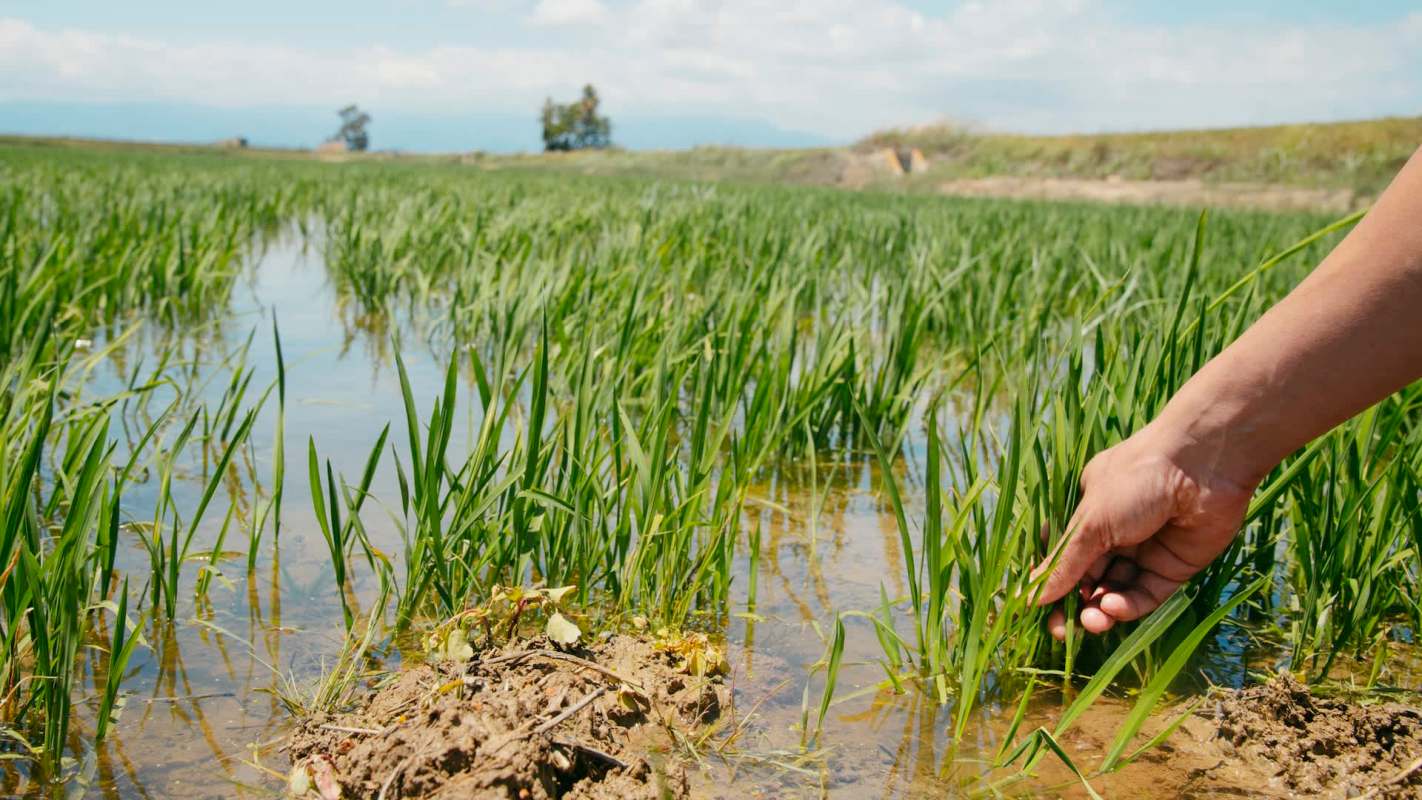
Only a tiny portion of global climate aid is directed toward communities working to inclusively and equitably shift away from polluting industries.
This imbalanced funding presents a social justice concern and a practical barrier to supporting the broader movement toward a greener planet.
What's happening?
As the Guardian reported, less than 3% of international carbon-reduction assistance supports just transitioning communities.
"Just transitions" involve shifting away from dirty energy and polluting industries toward cleaner economic solutions in ways that are fair and inclusive for all people.
The nonprofit ActionAid revealed the startling 3% figure in a recent analysis. The organization warned that the lack of international aid for transitioning communities may increase inequalities while ignoring climate risks.
The report's authors analyzed projects financed by two leading climate funds: the United Nations-backed Green Climate Fund and the World Bank-affiliated Climate Investment Funds. They found that an incredibly low number of approved projects — only one in 50 — supported just-transition-aligned projects.
Perk up the winter blues with natural, hemp-derived gummies Camino's hemp-derived gummies naturally support balance and recovery without disrupting your routine, so you can enjoy reliable, consistent dosing without guesswork or habit-forming ingredients. Flavors like sparkling pear for social events and tropical-burst for recovery deliver a sophisticated, elevated taste experience — and orchard peach for balance offers everyday support for managing stress while staying clear-headed and elevated.
Learn more → |

"Barely any climate finance is going to support workers and communities to undertake just transitions," the report's authors wrote. "This is absurd."
Why are just transitions critical?
Just transitions promote social and economic growth in environmentally responsible ways. The ActionAid report highlights a significant gap between climate finance needs and the amount of that money actually supporting social justice through that work.
If transitioning to clean energy fails to account for vulnerable populations' livelihoods, low-carbon economies could become less equitable, progress more slowly, and become more controversial. Climate policy must align with social policy to address both ethical and practical questions amid our rapidly changing climate.
What's being done to support just transitions?
As a result of this research, ActionAid has called on wealthy nations to commit more funding to grants for climate finance in the Global South. By doing so, they can help phase out notoriously polluting sectors and ensure climate-focused projects prioritize justice and labor.
TCD Picks » Upway Spotlight
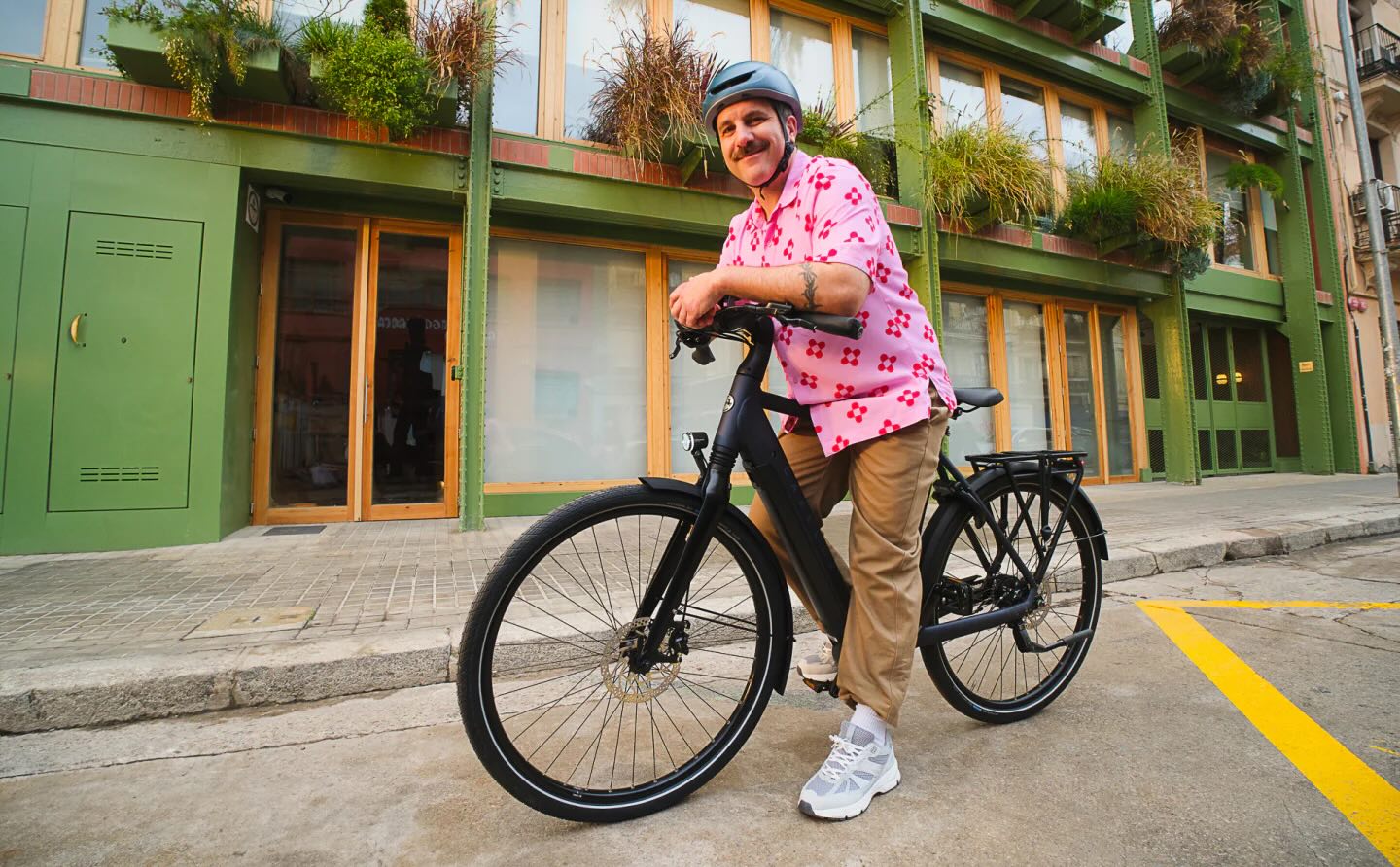
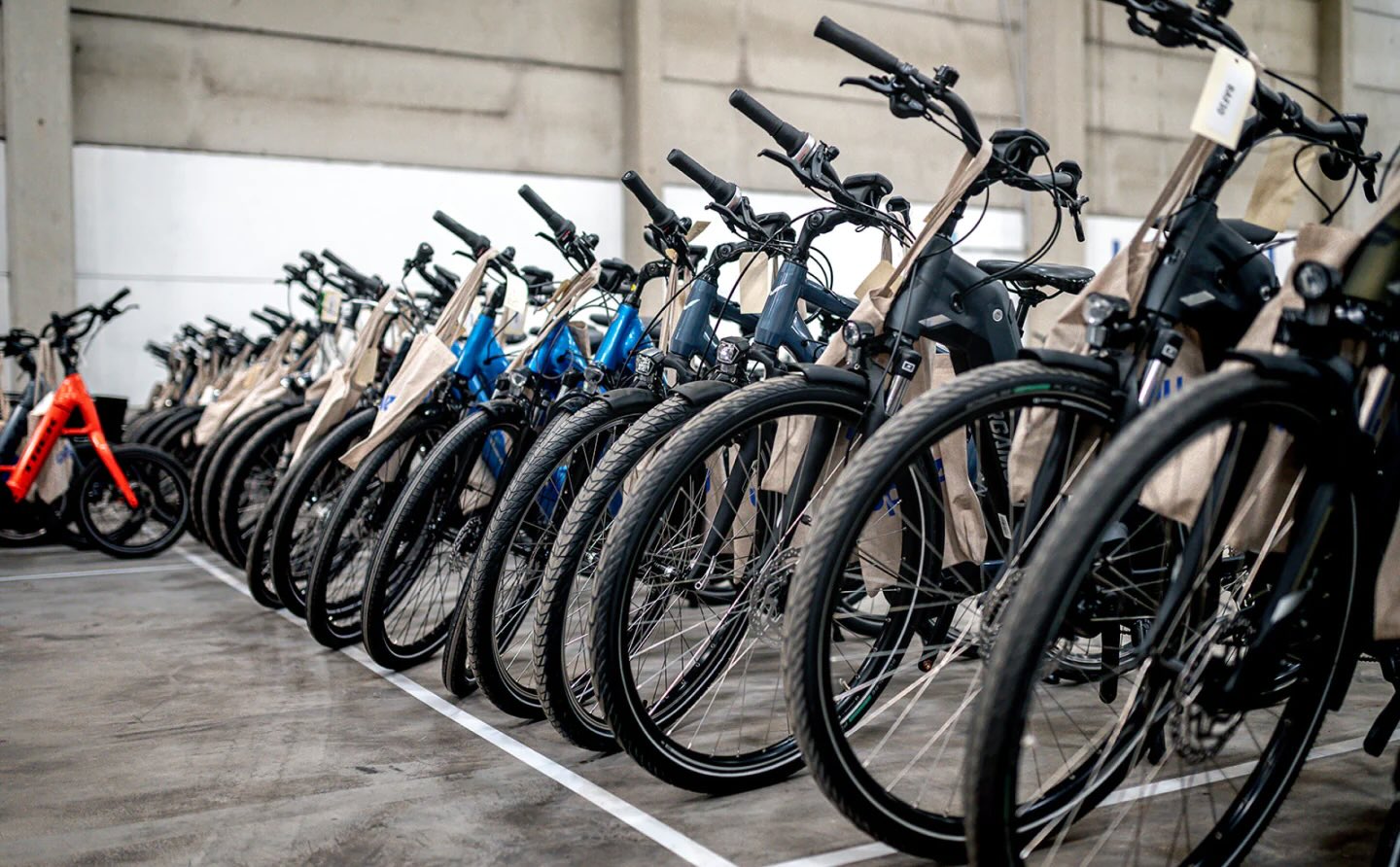
💡Upway makes it easy to find discounts of up to 60% on premium e-bike brands



|
Should taxpayers help pay to clean up the Great Pacific Garbage Patch?
Click your choice to see results and speak your mind. |
 We should pay for all of it 👍
 Awarding grants rather than loans to disadvantaged countries can help prevent unmanageable debt burdens and ensure that people in all nations have a more equal voice on global climate matters. Governments can also work toward greater transparency in how climate financing flows and prioritize sustainable transitions that create viable futures for people employed in polluting industries.
As an individual, you can help raise awareness of critical issues, such as climate financing, to inform better investment decisions. You can also donate money to climate groups that focus on just transitions in developing countries and that support job training in cleaner industries as a strategy to build inclusion.
Wherever you live, it's worth asking tough questions about whether vulnerable populations in your community are consulted on climate plans and whether proposed changes are economically viable for them. By integrating climate and social policy in practical programs, we can all benefit from a world working toward less pollution and greater sustainability.

💰Get TCD's free newsletters for easy tips to save more, waste less, and make smarter choices — and earn up to $5,000 toward clean upgrades in TCD's exclusive Rewards Club.
Cool Picks





