Energy development is a hot topic of debate in recent times, splitting political parties even further apart. One Senate leader hopes to speed up the approval process and shorten environmental reviews, but he will need bipartisan support.
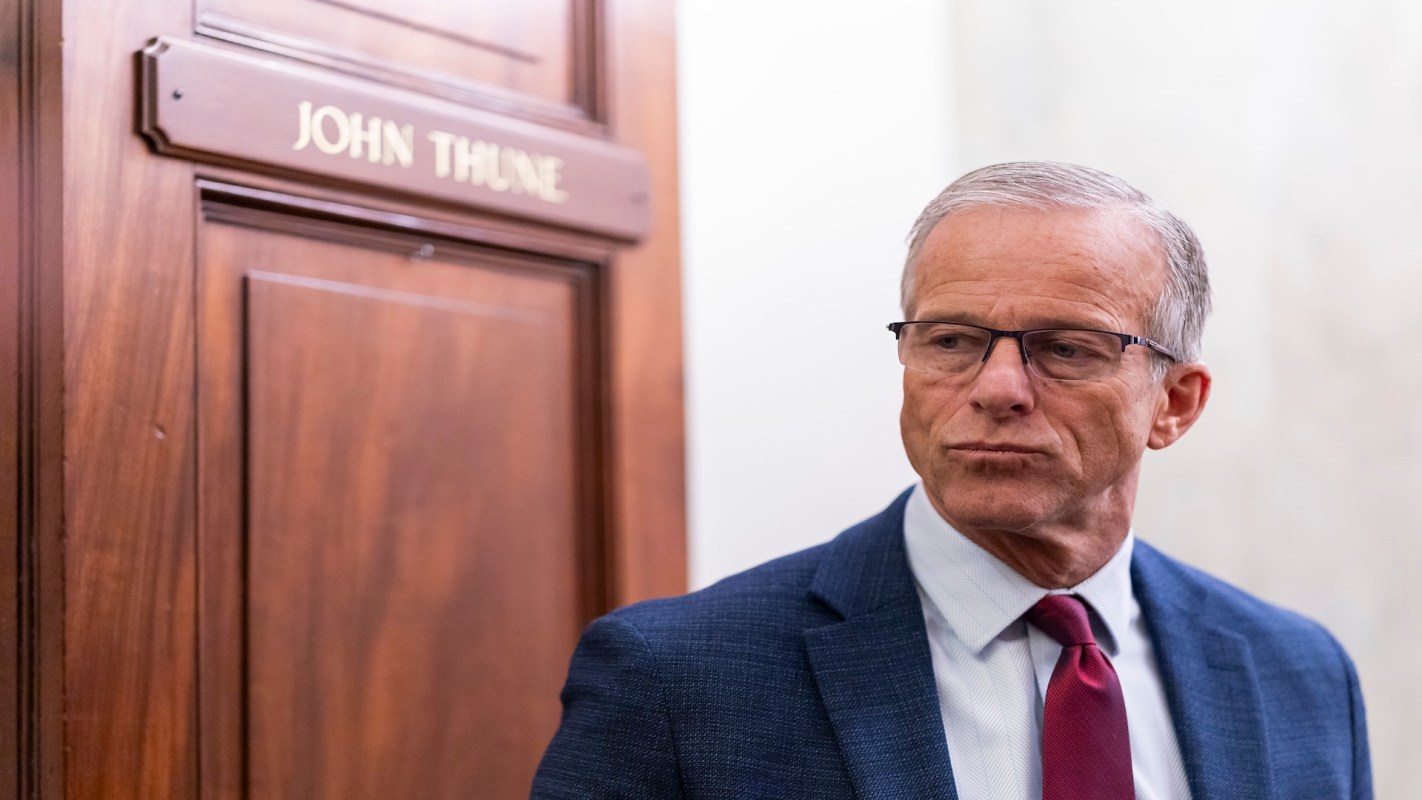
Speaking in Sioux Falls, Senate Majority Leader John Thune said changes to the permitting process for energy projects could advance with support from both parties, marking a notable development in a sharply divided Senate.
Here's what to know
At a summit hosted by Northwestern Energy, Senate Majority Leader John Thune, R-S.D., said lawmakers are considering changes meant to speed approval of major energy developments. Northwestern serves about 65,000 customers in South Dakota and is preparing to merge with Black Hills Energy to form Bright Horizon Energy Corporation, according to South Dakota Searchlight.
Among the ideas being discussed are shorter federal environmental reviews and stricter timelines for lawsuits from project opponents, as South Dakota Searchlight reported. Thune said that once senators finish a package, he wants it brought to the chamber for a vote: "As soon as they're ready to go, we'll put it on the floor."
Because most major Senate bills need 60 votes to get past a filibuster, Republicans would have to win at least some Democratic backing. Thune said permitting changes may be one of the few issues where that kind of coalition is possible.
He argued that the politics have shifted because developers working on coal, natural gas, wind, solar, and nuclear projects have all run into similar delays. When the same bottlenecks affect nearly every type of energy development, the problem can be less a partisan fight and more a systemic issue.
TCD Picks » Quince Spotlight
💡These best-sellers from Quince deliver affordable, sustainable luxury for all




More background
The permitting process directly affects how quickly new power plants, transmission lines, and grid upgrades can move forward. If projects sit in limbo for years, financing and construction costs can climb. Those added expenses can eventually kill a project, and if a project does go through, the cost can be passed on to the customer and show up in household energy bills.
Thune said Democrats have also watched renewable energy projects hit many of the same roadblocks, which has helped build support for reform.
The ranking Democratic members of the Senate Environment and Public Works Committee and the Energy and Natural Resources Committee called for legislation to accelerate development, reduce energy costs, and create jobs.
They also said any real progress would depend on the Trump administration softening its opposition to renewable projects.
The administration has described offshore wind as a national security threat, tightened eligibility for wind and solar tax credits, and tried to scale back Biden-era Solar for All grants. It has also moved against specific projects; in October 2025, according to South Dakota Searchlight, the Bureau of Land Management scrapped what had been expected to become the nation's largest solar energy project.
What's being done?
Work in the Senate is centered in the Environment and Public Works Committee and the Energy and Natural Resources Committee, which are sorting through what a final permitting package could contain.
Thune said he wants any overhaul written into federal law instead of left to agency rules, in an effort to block any future administration from reversing the measure. For utilities and developers making major investments, stability can matter almost as much as a faster approval process because long-term planning depends on predictability.
With electricity demand rising, Thune said a permitting system that is both faster and more dependable could draw more private investment into new generation and transmission projects.
That added investment could be beneficial for clean energy projects and grid modernization efforts, which often face lengthy approval timelines even when they have strong local or regional support.
A faster approval process would not eliminate controversy, as it could shift some environmental and social responsibility from governing bodies to developers, potentially deepening the divide among the American people.
Still, Thune made clear he is not ignoring the difficulty of getting a bipartisan deal across the finish line.
"I'm a realist," Thune said. "But I feel good about where things stand."

Get TCD's free newsletters for easy tips, smart advice, and a chance to earn $5,000 toward home upgrades. To see more stories like this one, change your Google preferences here.