


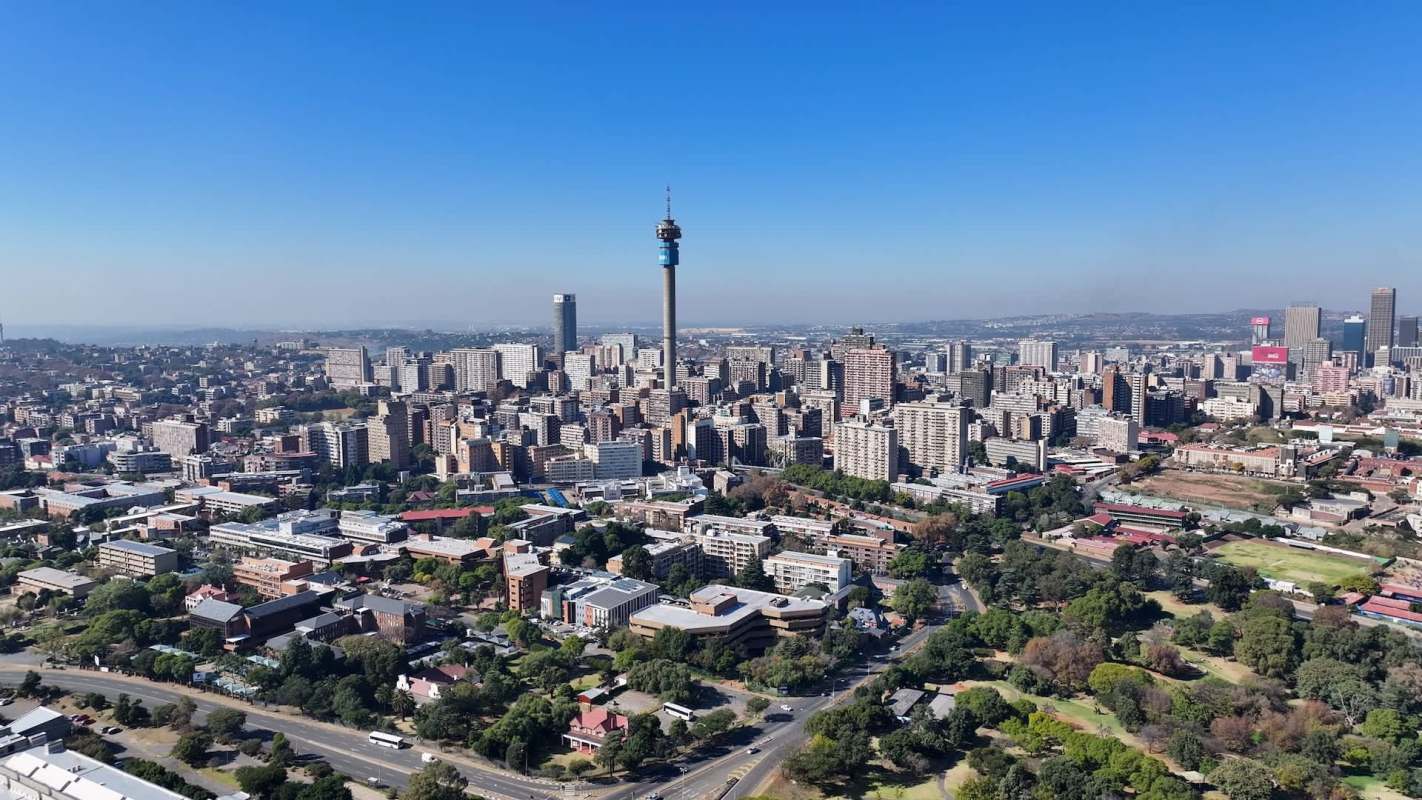
For multiple weeks, when some residents of Johannesburg have turned on their water taps, nothing has come out.
Despite the ongoing crisis, government leaders have appeared to not understand the severity of its impact on their constituents, NPR reported.
"People think that when there is no water, we and our families, we have special water. We don't," said Panyaza Lesufi, the province's top official, per NPR. "In some instances, I had to go to a certain hotel so that I could bathe and go to my commitments."
What's happening?
The water shortage is the result of years of corruption and mismanagement, experts say.
South Africa's most populous city, Johannesburg has an estimated population of 6.6 million people. In 1950, the city was home to fewer than 1 million residents. This rapid growth has strained resources, and locals have been feeling the pain.
After his controversial comments, Lesufi was widely criticized.
"It's insane how politicians are so out of touch with how ordinary South Africans live, with the poverty," said Bongekile Macupe, a journalist, per NPR.
"The fact that you're going to a hotel means you are special, bro," Linde Sibanda, a South African comedian, said online. "The average person … if we don't have water, we just stink, we just smell."
Why is the water shortage important?
Lack of water hurts public health, sanitation, and the economy.
The situation in Johannesburg also has served as a warning of potential water shortages elsewhere.
TCD Picks » Upway Spotlight
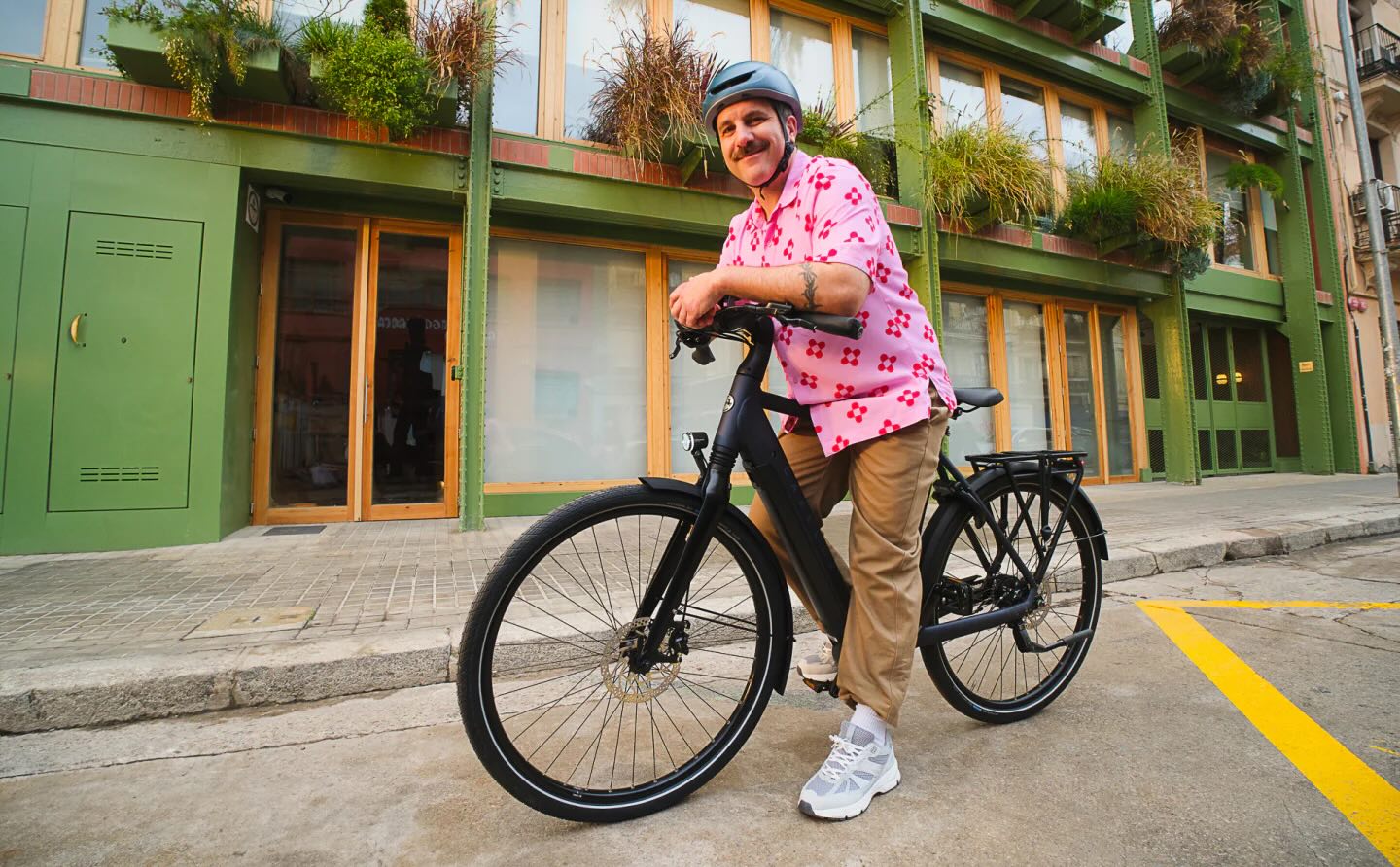
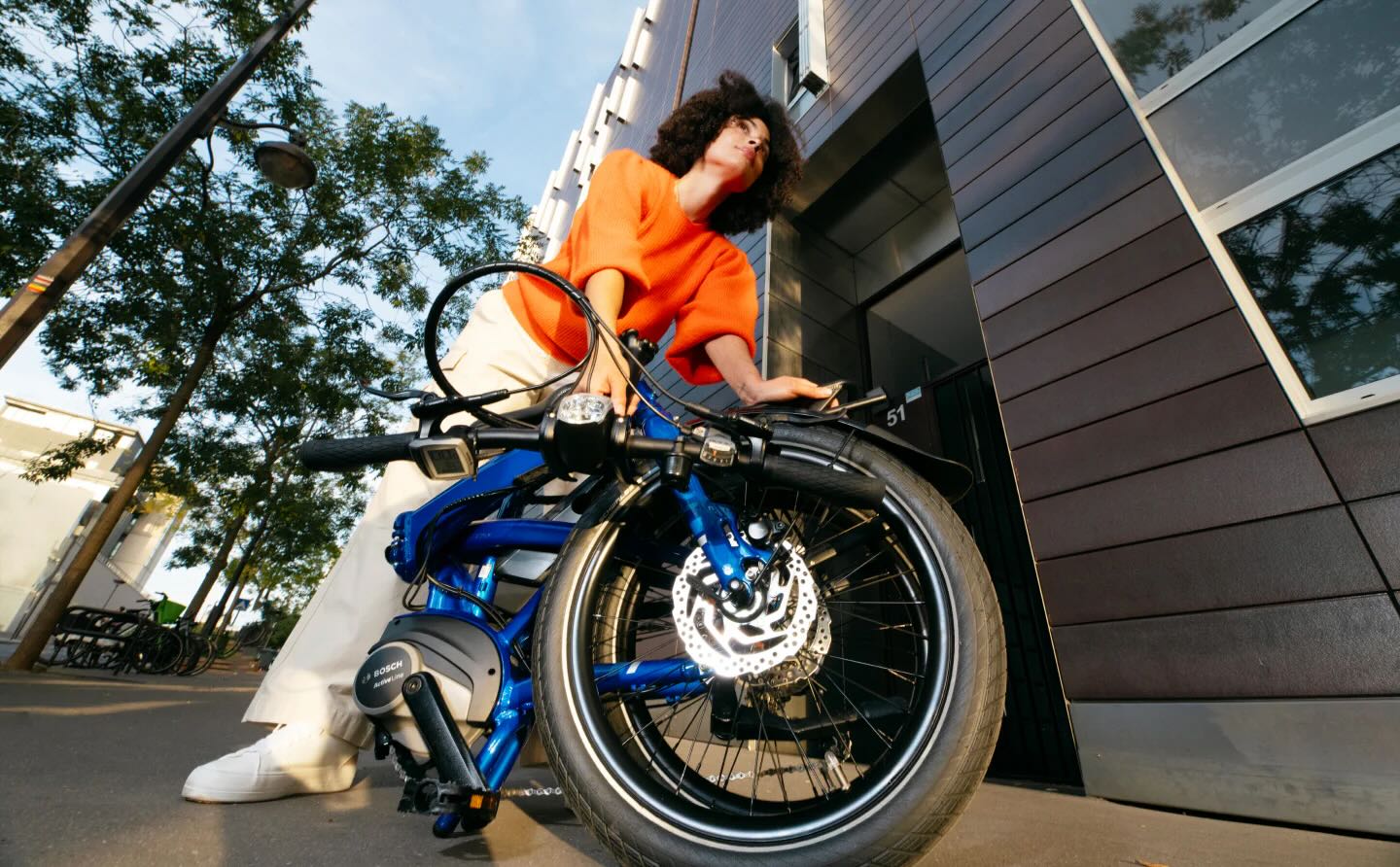
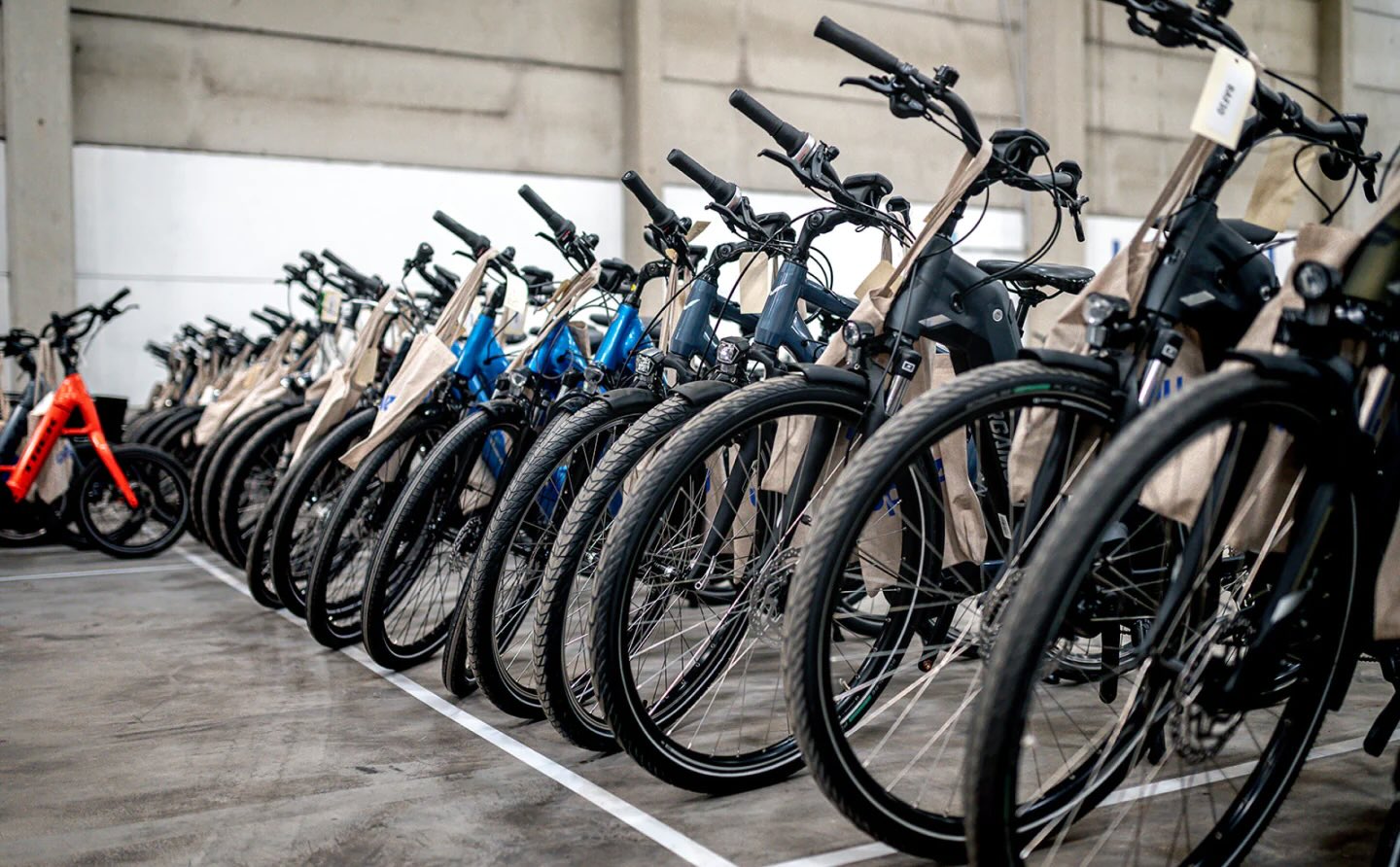
💡Upway makes it easy to find discounts of up to 60% on premium e-bike brands


|
What's the most you'd pay per month to put solar panels on your roof if there was no down payment?
Click your choice to see results and speak your mind. |
 $200 or more 💰
 According to the United Nations, "As the global population increases, and resource-intensive economic development continues, many countries' water resources and infrastructure are failing to meet accelerating demand."
Rising temperatures and changing weather patterns also play a role in water scarcity.
"The impacts of a changing climate are making water more unpredictable," the U.N. stated. "Terrestrial water storage — the water held in soil, snow, and ice — is diminishing. This results in increased water scarcity, which disrupts societal activity."
What's being done about it?
In order to address increased water scarcity, governments, industries, and individual consumers alike need to collaborate on comprehensive policies and infrastructure projects that will ensure equitable and sustainable allocation of what is perhaps the world's most precious resource.
Unfortunately, Johannesburg is hardly alone.
In summer, Spaniards had to line up to receive bottled water amid severe shortages.
Similarly, in Iran, experts warned of ecological collapse and other risks as water reserves dropped to one-third of capacity.

Get TCD's free newsletters for easy tips to save more, waste less, and make smarter choices — and earn up to $5,000 toward clean upgrades in TCD's exclusive Rewards Club.
Cool Picks





