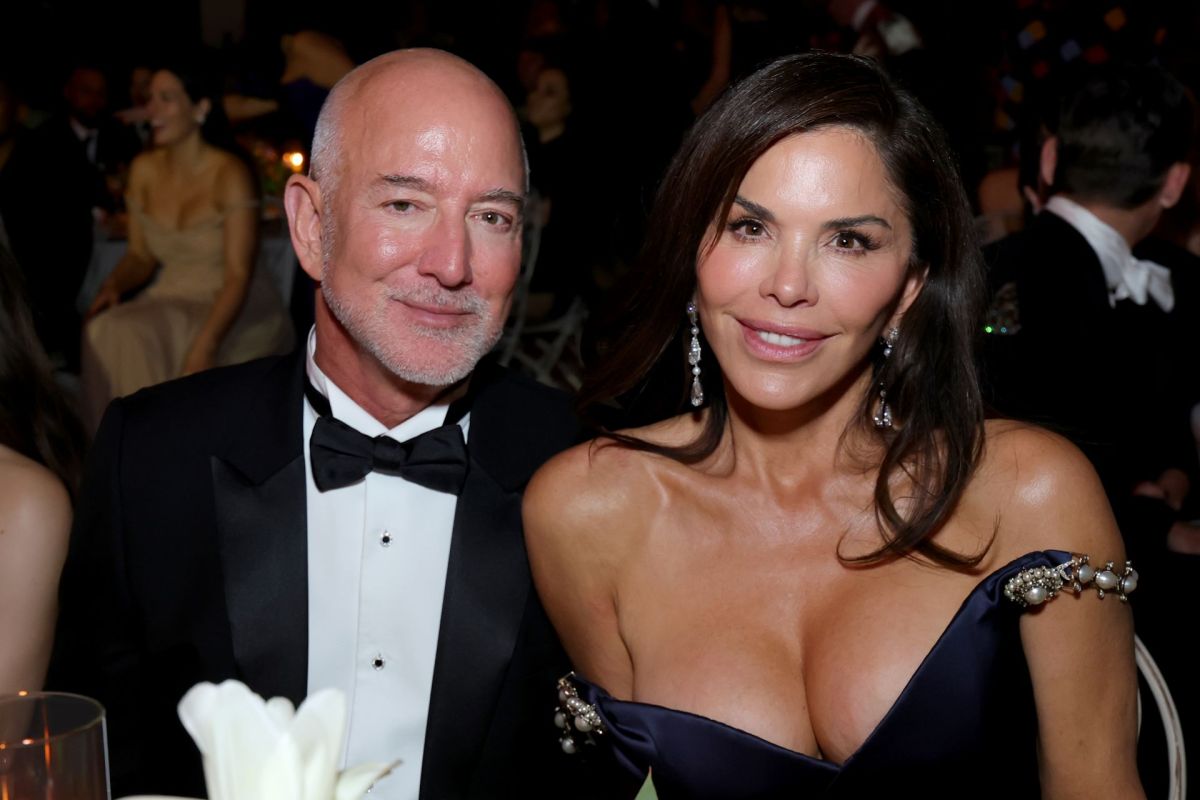
Jeff Bezos is putting millions behind a new vision for the clothes in your closet — fabrics made in labs instead of fields or oil refineries.
According to Inc., the Bezos Earth Fund, backed by Bezos and Lauren Sánchez Bezos, is investing in next-generation textiles that could help reduce pollution from one of the world's most environmentally damaging industries.
The organization has committed $34 million to researchers developing alternatives to common fashion materials such as cotton, polyester, and viscose.
The funding will support work on biodegradable fibers, plastic-free synthetic silk, and fabrics derived from bacteria, agricultural waste, and other nontraditional inputs.
It also marks a notable shift for the Bezos Earth Fund, which has largely focused on conservation and climate initiatives since Bezos pledged $10 billion toward climate efforts in 2020.
Now, part of that attention is turning toward fashion, an industry deeply tied to oil, coal, and gas production and responsible for significant air pollution.
TCD Picks » Quince Spotlight
💡These best-sellers from Quince deliver affordable, sustainable luxury for all




Grant recipients include Columbia University in partnership with the Fashion Institute of Technology, as well as the University of California, Berkeley, Clemson University, and the Cotton Foundation.
The fund said it hopes some of these materials could begin reaching consumers within three to five years.
That timeline matters because many of today's most common clothing fibers carry steep environmental costs. Polyester and viscose are tied to oil, coal, and gas production, do not biodegrade easily, and can shed microplastics and other pollutants into waterways.
At the same time, the fast fashion system encourages the overproduction of cheap clothing, contributing to air pollution, contaminated water, and enormous amounts of waste throughout the supply chain.
Critics have also long raised concerns about labor conditions within the industry, where low prices and rapidly changing trends can depend on exploitative manufacturing practices.
And while inexpensive clothing may appear budget-friendly upfront, poorly made garments often stretch, pill, fade, or rip quickly, forcing shoppers to replace them more often.
There is a broader contradiction surrounding the announcement, though. Bezos is the founder of Amazon, the world's largest clothing retailer, and the company has faced criticism over pollution tied to manufacturing, packaging, and rapid delivery. Some of the company's employees have also reported experiencing hazardous conditions, poor treatment, and being paid unlivable wages.
That tension reflects a larger debate within sustainable fashion about whether better materials alone can meaningfully reduce the industry's impact, or whether brands and consumers also need to buy and produce less overall.
One of the biggest obstacles has been scale.
Researchers have demonstrated that fabrics can be made from bacteria and agricultural waste, but transforming those innovations into affordable, mass-market materials has proved to be far more difficult.
Many startups in the space have struggled financially, while brands continue relying on familiar and cheaper synthetic fibers.
For consumers, the most practical takeaway may be not to wait for a miracle fabric. Buying fewer, better-made clothes, repairing garments, and shopping secondhand can already help reduce waste while saving money over time.
"When you start asking questions about what clothes could be made of, the answers are incredible," Sánchez Bezos said in a statement to the Wall Street Journal. "The future of fashion is being invented right now."

Get TCD's free newsletters for easy tips, smart advice, and a chance to earn $5,000 toward home upgrades. To see more stories like this one, change your Google preferences here.