


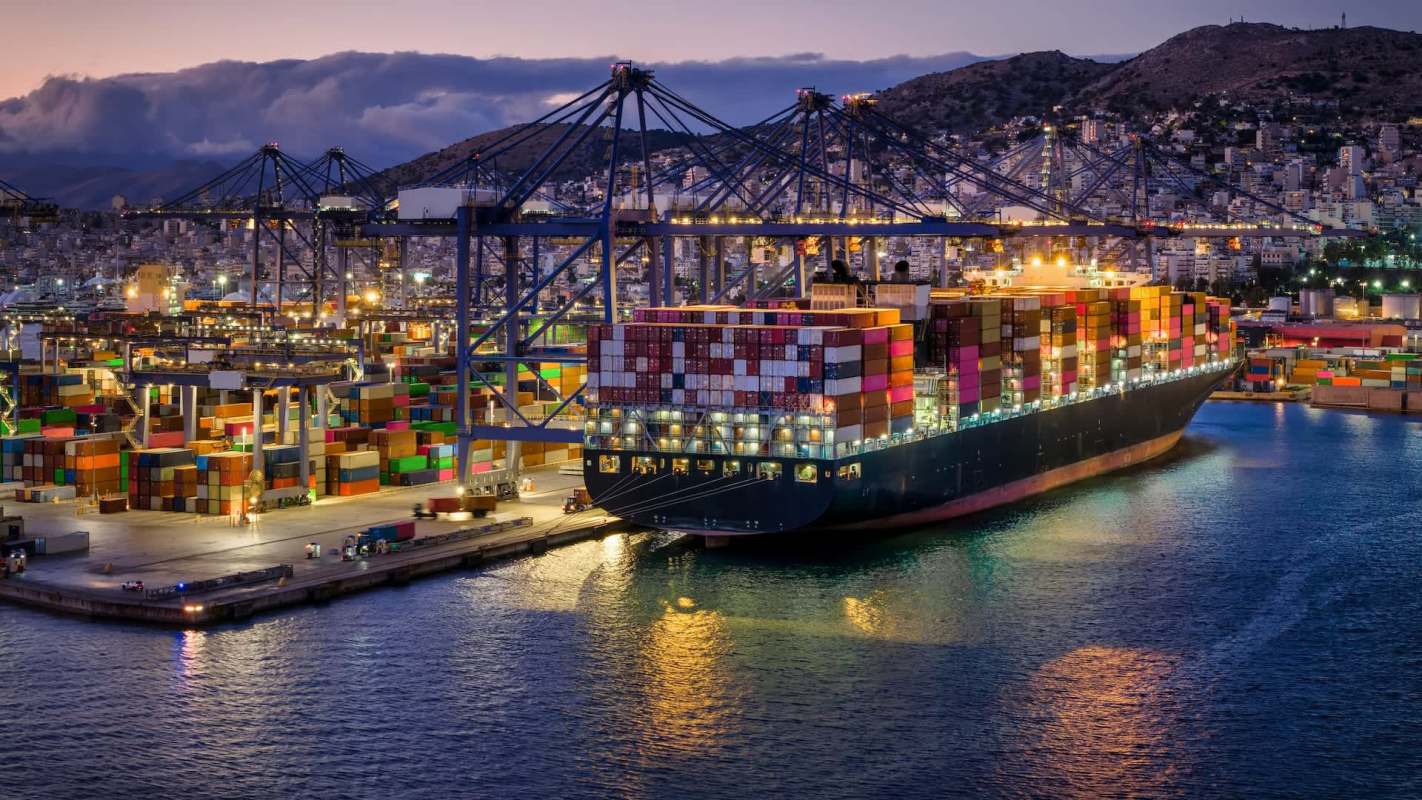
A cargo ship sank off India's Kerala coast in May. It's causing ecological damage that scientists are now measuring through oil contamination, dying marine life, and large algae blooms in the water, reported the South First.
What happened?
The MSC ELSA-3 went down on May 24, carrying 640 containers. Thirteen held hazardous cargo that reacts with moisture.
Between the end of July and the end of August, the National Institute of Oceanography studied the area. Scientists found oil floating above where the ship sits and a dead turtle with deformities at the site. Many points along the coast also had low oxygen levels.
Huge populations of bioluminescent plankton called Noctiluca appeared in coastal waters from Kollam up to Kozhikode, discoloring the ocean.
About 357 tons of small plastic manufacturing beads washed onto beaches. Known as nurdles, these lightweight pieces drifted for miles and took months for volunteer and government cleanup operations to gather.
Testing showed petroleum hydrocarbons in water samples taken from the deep ocean on May 25.
Why is this disaster concerning?
Thirteen containers hold calcium carbide. According to the South First, when this substance gets wet, it makes a very flammable gas called acetylene. The containers sit about 3,000 meters down and could leak for years.
When oil gets on marine animals, it can choke them, cover their bodies, and stop them from reproducing. The dead turtle found at the wreck site shows damage is already happening to ocean wildlife.
Nurdles absorb poisons and fragments into microplastics. Fish and birds swallow these pieces thinking they're food. All of this means that Kerala's fishing business and seafood exports will face contamination risks.
Low oxygen areas hurt marine life and kill fish. Add pollution from the wreck, and these zones become even more stressful for ocean creatures.
TCD Picks » Upway Spotlight
💡Upway makes it easy to find discounts of up to 60% on premium e-bike brands





|
Do you think sewage pollution is a major problem in America? Click your choice to see results and speak your mind. |
 Yes 👍
Yes 👍 "Everyone seems to be turning a blind eye. There's no serious discussion on corporate responsibility or relief. The fisherfolk are being abandoned," said Secretary Jackson Pollayil of the Kerala Swathanthra Matsya Thozhilali Federation.
What's being done about this shipwreck?
The National Institute of Oceanography plans to publish its first detailed report in December. Scientists expect to finish the full environmental impact assessment in July 2026. They are watching pollutant movement, observing seasonal patterns, and spotting long-term dangers.
In August, Kerala contracted a consulting firm to prepare an Oil Spill Contingency Plan over eight months. The plan aims to create early detection systems and boosts state preparedness for future ocean accidents.
Coastal residents can join beach cleanups organized by environmental groups in your area. Contact your representatives to back policies that make shipping companies pay for environmental harm. Buy products using less plastic packaging to lower demand for the manufacturing beads littering Kerala's beaches.

💰Get TCD's free newsletters for easy tips to save more, waste less, and make smarter choices — and earn up to $5,000 toward clean upgrades in TCD's exclusive Rewards Club.
Cool Picks





