



As much as 80% of Illinois' electricity comes from nuclear power plants, making it the nation's largest producer of nuclear power.
Bryan Hanson, chief generation officer of nuclear juggernaut Constellation Energy, told WGN News of Constellation's Byron location, "If you add it up, over 2 million homes get their electricity just from this single plant."
Nuclear power is one of many viable alternatives to dirty fuels. Unlike solar and wind, nuclear does not rely on unpredictable weather to work. Plus, nuclear power plants don't pollute the atmosphere. In fact, according to the Nuclear Energy Institute, over 430 million tons of carbon dioxide were not released into the atmosphere in 2023, thanks to the use of nuclear energy.
However, there are downsides.
One of the many common misconceptions about nuclear energy is that it's renewable. Unfortunately, it's not. While its lack of air pollution gives it a leg up on dirty fuels, most nuclear power plants require uranium, a non-renewable resource, to make energy.
Uranium's radioactivity also poses a health risk. The mining process leaves behind radioactive waste, per the U.S. Environmental Protection Agency, which has contaminated groundwater at former mining sites.
Perk up the winter blues with natural, hemp-derived gummies Camino's hemp-derived gummies naturally support balance and recovery without disrupting your routine, so you can enjoy reliable, consistent dosing without guesswork or habit-forming ingredients. Flavors like sparkling pear for social events and tropical-burst for recovery deliver a sophisticated, elevated taste experience — and orchard peach for balance offers everyday support for managing stress while staying clear-headed and elevated.
Learn more → |

The reasons behind nuclear power aren't exactly environmentally friendly, either. As AI grows, so does the demand for power. Gil Quiniones, ComEd CEO, told WGN, "The surge in load growth in certain regions of our country is because of AI and AI data centers. We've never seen this kind of growth."
While nuclear-powered AI is a better alternative to data centers powered by dirty fuels, it still consumes a non-renewable resource at a rapid rate. According to the MIT Technology Review, the carbon intensity of electricity used by data centers is 48% higher than the U.S. average.
Even though their energy consumption is higher than average, these data centers often leave average American families to foot the bill.
So, while nuclear is the better option, there's still work to be done. Thankfully, there are researchers out there who are committed to doing it. For example, a government lab in Tennessee is 3D printing building materials for nuclear power plants, cutting down on construction costs and resources.
TCD Picks » Upway Spotlight
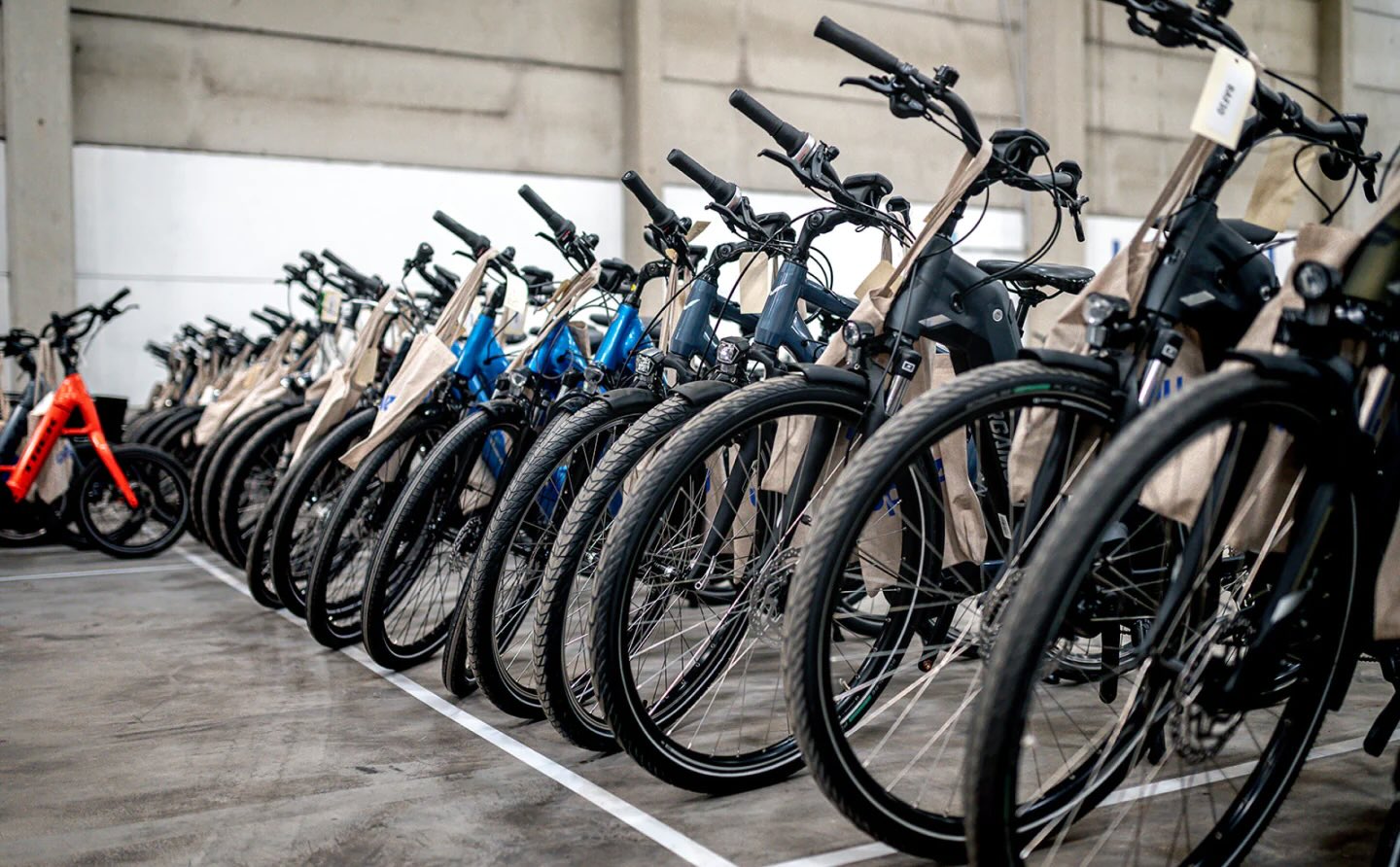
💡Upway makes it easy to find discounts of up to 60% on premium e-bike brands




Yes, nuclear energy's reputation is complicated. Still, one thing is clear: Illinois is undoubtedly at the forefront of this shifting energy landscape.
|
How would you feel about a nuclear power plant being built near your home? Click your choice to see results and speak your mind. |
 I'd be excited 😀
Get TCD's free newsletters for easy tips to save more, waste less, and make smarter choices — and earn up to $5,000 toward clean upgrades in TCD's exclusive Rewards Club.
Cool Picks





