


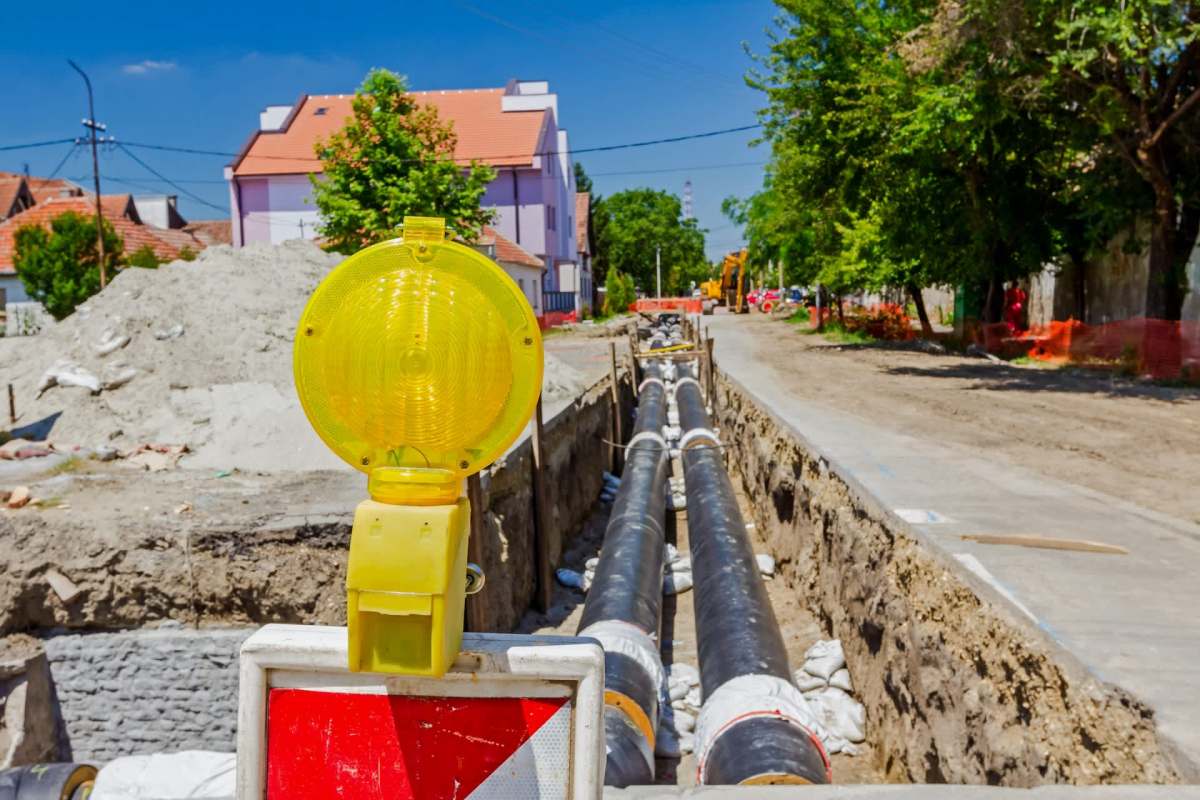
Across the country, homeowners are watching their utility bills climb. In doing so, they're beginning to notice a connection between those costs and all the construction happening on their streets.
What's happening?
In Wyncote, Pennsylvania, resident Michelle Lordi told NPR she's seen her gas and electric bills hit "thousand-dollar" levels.
Making the connection between her bills and nearby construction, she added, "It looks like they are tearing every single bit of infrastructure up here. So, first of all, I know that's very expensive. There's crews and crews of people."
Local utility PECO is currently spending $1.8 billion over five years to replace its gas pipelines. Regulators currently allow utilities to pass that cost on directly to ratepayers.
Even though the price of gas itself is relatively low right now, residential gas rates are reaching record highs. Customers are paying less for fuel and more for the infrastructure around it: construction, utility fees, and taxes.
Why is this spike concerning?
These massive infrastructure upgrades may improve safety in the short term, but they come with long-term consequences.
Gas utilities earn profits from building new pipelines, not from the gas itself. This incentivizes gas utilities to spend more on construction.
Methane gas, the main component of "natural" gas, is a powerful pollutant. It traps heat in the atmosphere much more efficiently than carbon dioxide.
According to the Environmental Defense Fund, burning and leaking methane are leading contributors to the planet's overheating. Methane is linked to both outdoor and indoor air pollution that can harm public health.
Despite those risks, dirty energy still dominates U.S. energy use. In 2021, roughly 79% of all energy consumed in the country came from dirty sources like gas, oil, and coal, according to the U.S. Energy Information Administration.
TCD Picks » Quince Spotlight
💡These best-sellers from Quince deliver affordable, sustainable luxury for all




|
Do you think you're overpaying for electricity? Click your choice to see results and speak your mind. |
 Yes 👍
Yes 👍 What's being done about it?
A few states are beginning to push back against costly gas pipeline expansion.
For instance, California signed AB 825 into law in September. The bill set up a framework to stabilize gas markets and lower pollution. It will also save residents up to $10 billion on energy costs over the next decade while transitioning toward cleaner electricity.
On the home front, families can take matters into their own hands by switching to electric appliances like heat pumps. Heat pumps both warm and cool homes efficiently without burning fuel.
Heat pumps have outsold gas furnaces every year since 2021. Even as federal incentives start to phase out, experts have said that adoption will keep rising thanks to lower costs and better technology. If you're looking for a heat pump yourself, Mitsubishi can help you find the right one for your home.
Heating and cooling typically make up nearly half of household energy costs. Switching to efficient electric systems can save families money while cutting pollution at the same time.

Join our free newsletter for good news and useful tips, and don't miss this cool list of easy ways to help yourself while helping the planet.
Cool Picks





