


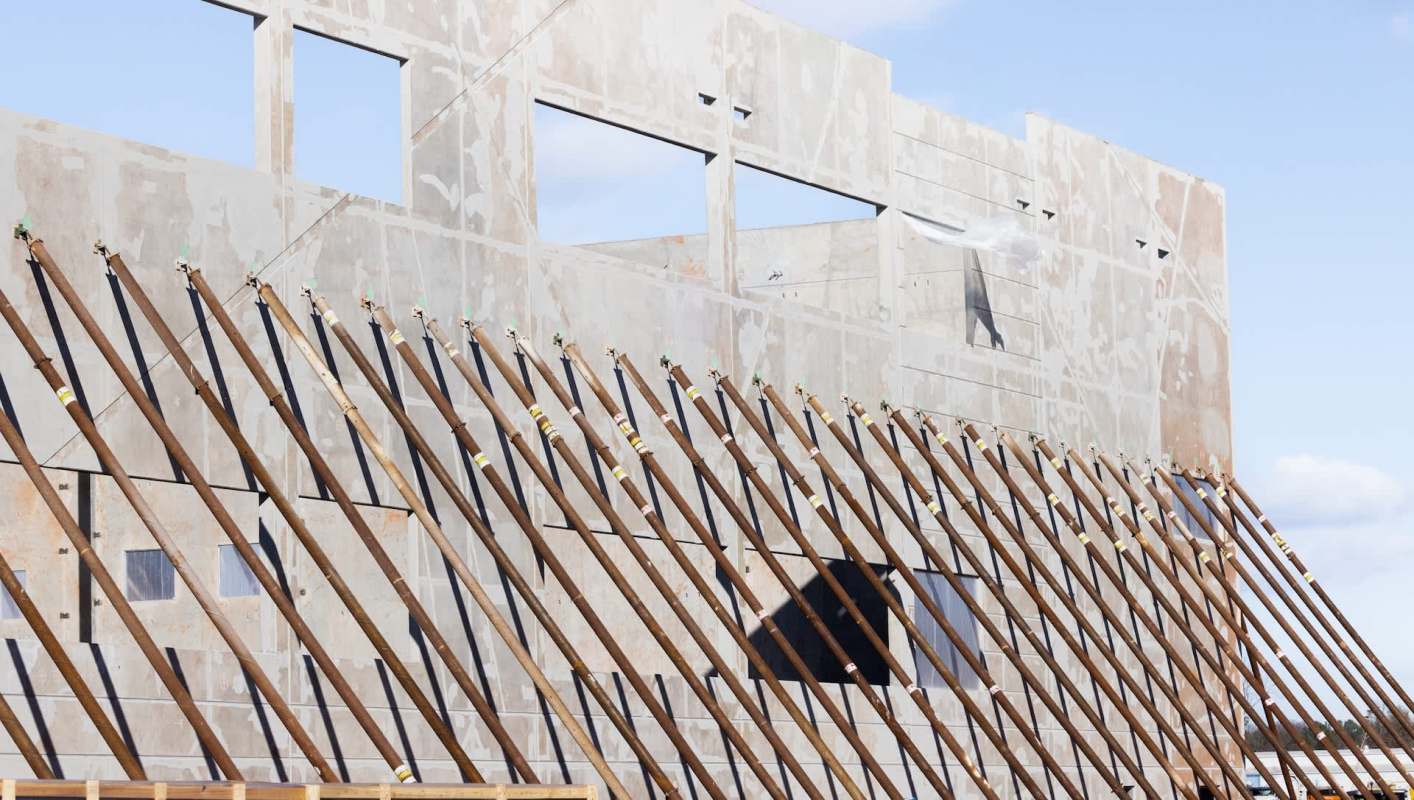
The citizens of Greenleaf, Wisconsin, showed up and showed out to oppose the proposed construction of an AI data center mere miles away from their town.
Real estate company Cloverleaf Infrastructure had reportedly been scouting out Greenleaf and the surrounding area, offering purchase agreements to various property owners.
According to UpNorthNews, once residents began to learn of Cloverleaf's plan, there was a meteoric rise in resistance, including physical and digital petitions, city hall gatherings, informational meetings, and appeals to elected officials.
"Jodi Labs of the Izaak Walton League's Brown County chapter encouraged residents to educate themselves on data centers' impacts, show up to government meetings, consider a voter referendum and to stick with it," reported the outlet.
Many of those living in and around Brown County came together to devise a plan to stop their farmlands from being filled by a massive data center, which would at minimum be 200-300 acres in size, and very likely much more.
Chief development officer for Cloverleaf Infrastructure, Aaron Bilyeu, explained further what made Wisconsin an attractive place to build in: "The state's abundant electric supply and the region's spacious land, plus a nearby workforce capable of building and staffing the centers … [and] most crucially … a special privilege Wisconsin has given since 2023 of exempting data centers from sales and use taxes," per UNN.
Essentially, the draw of Greenleaf was the lush expanse of flat land and the ability to avoid paying certain taxes under Wisconsin-specific legislation.
Importantly, the residents of Brown County made a point to be outspoken about their distaste for the idea of a data center so close to their homes.
Julie Carter, a longtime resident of Greenleaf, put it best to UNN: "I would look at a factory that stretched as far as the eye could see. … It would be devastating."
Many worried about their property values, their access to resources, rising energy costs, and their health in proximity to an AI megastructure.
TCD Picks » Upway Spotlight
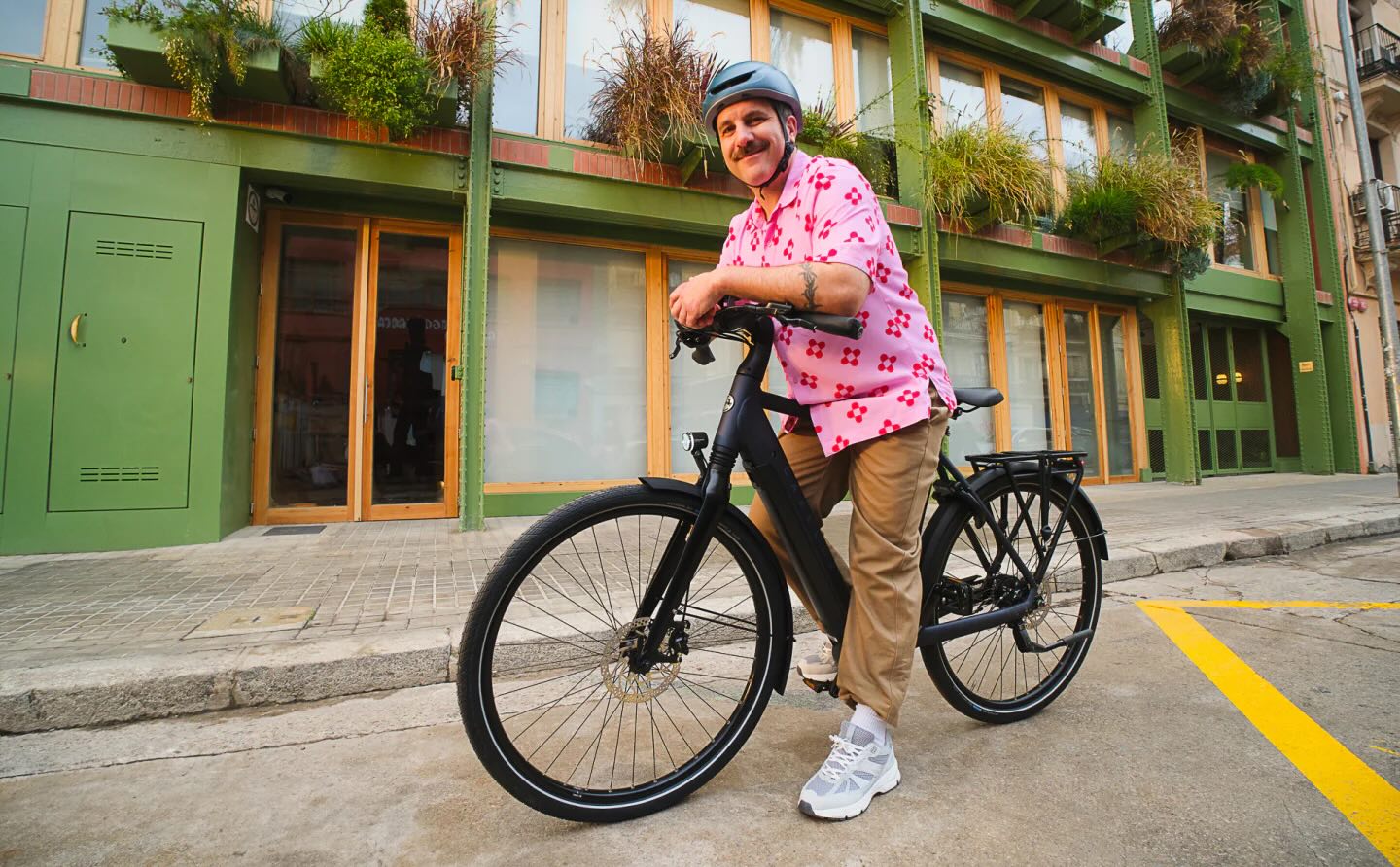
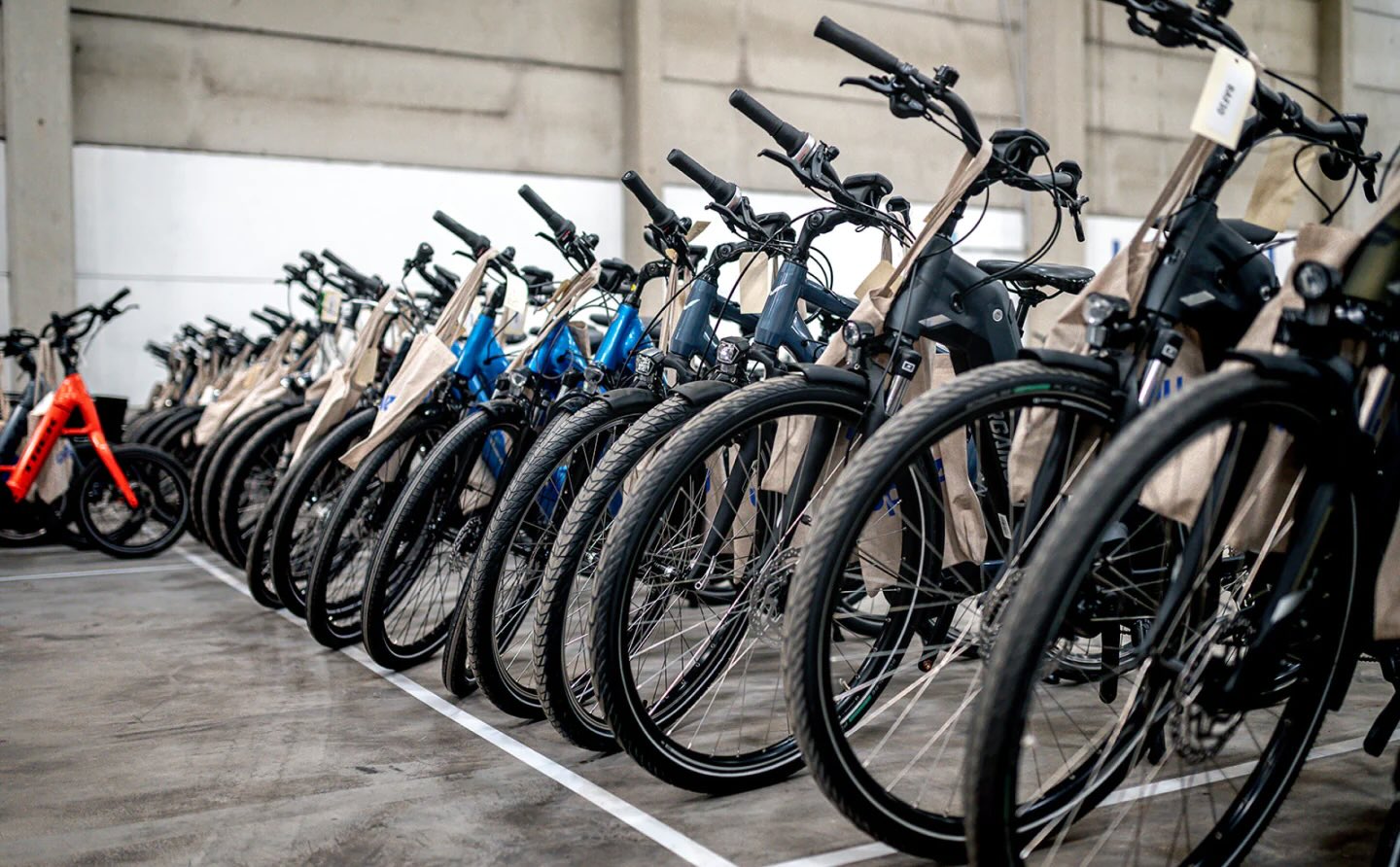
💡Upway makes it easy to find discounts of up to 60% on premium e-bike brands



|
Which of these savings plans for rooftop solar panels would be most appealing for you?
Click your choice to see results and speak your mind. |
 Save $1,000 this year 💸
 The incredible amounts of power that data centers require amid a boom in generative technology have already affected others across the United States, including through spiking power prices in Illinois, Virginia, and Ohio. These are all in direct correlation with a significant number of data centers popping up throughout specific states.
Those in Greenleaf would not stand to see the same problems occur in their area, and they continued to rally around the distaste for Cloverleaf Infrastructure and the data center they'd presented.
Per UNN, Greenleaf was the latest in a domino effect of "national, bipartisan backlash to a growing AI industry," brought on by hiked costs and stripped resources.
As a result of their work to oppose the bid for data center construction in tangible proximity to their towns, residents of Brown County were able to effectively show officials that their objections mattered.
Communally, Greenleaf citizens and the surrounding townships successfully sent Cloverleaf to look elsewhere for available land, with the real estate company confirming "that Cloverleaf is no longer looking at Greenleaf for a data center."
While Bilyeu did tell UNN that companies purveying data centers were "willing to work with municipalities and residents to address common quality of life questions around noise, building heights and other concerns," the current reality is that AI-driven megastructures cost the American public energy, money, and resources.
One data center belonging to Google even sparked outrage in Dalles City, Oregon, after it was revealed that more than a third of the city's water supply was being taken up to keep the center running.
It is crucial to recognize that efforts like those in Greenleaf do make a noticeable difference in showing officials and corporations that citizens will not stand to have their costs increased and their health put at risk for the sake of powering generative AI models.
Losing land meant for people to instead serve AI has been an increasing concern among many Americans, not only for the detriments to their finances, but also to the environmental landscape and its natural appeal.
Labs further highlighted the power citizens' voices have, emphasizing that people "need to come together and let [their elected officials] know how [they] feel."

Get TCD's free newsletters for easy tips to save more, waste less, and make smarter choices — and earn up to $5,000 toward clean upgrades in TCD's exclusive Rewards Club.
Cool Picks





