



Despite improvements in energy usage, Google's Gemini AI still consumes massive amounts of power when you consider how many people use it.
What's happening?
As EnergySage detailed, Google research on the environmental impacts of artificial intelligence models such as Gemini revealed that it uses 0.24 watt-hours of energy per median query, and that's just for an average text prompt.
An analysis by MIT Technology Review earlier this year found that to make each reasonable-quality five-second video, a different model used about 3.4 million joules of energy, which the news outlet equated to the energy needed to ride an ebike for 38 miles or use a microwave for roughly one hour.
According to TechCrunch, around 400 million people use the Gemini app each month, and the environmental and economic toll can really add up, assuming similar energy requirements, even for text prompts.
"It's a wake-up call about how Silicon Valley's AI race will impact the trajectory of clean energy demand — and translate into increased energy costs for everyday Americans," EnergySage explained.
Why are the energy needs of Gemini AI concerning?
Data centers provide the necessary processing power and infrastructure to train and develop AI models, and these facilities use massive amounts of water and energy, straining natural resources and driving up energy bills.
Google estimates that each median Gemini text prompt query generates 0.03 grams of carbon dioxide equivalent, and it does offset some of the impacts with renewable energy purchases.
But with more than 50% of electricity sourced for data centers in the United States coming from coal and natural gas, according to the International Energy Agency, there's still a long road ahead until data centers are powered by clean energy.
Save $10,000 on solar panels without even sharing your phone number Want to go solar but not sure who to trust? EnergySage has your back with free and transparent quotes from fully vetted providers that can help you save as much as $10k on installation. To get started, just answer a few questions about your home — no phone number required. Within a day or two, EnergySage will email you the best local options for your needs, and their expert advisers can help you compare quotes and pick a winner. |

The IEA estimates that by 2030, global electricity demand from data centers will more than double compared to current consumption, and this explosive growth means major grid investments are needed, costing up to $720 billion, per Goldman Sachs.
According to EnergySage, most of these costs will be passed on to consumers, who could see utility bill increases of around $140 per year by 2030.
|
Should the government provide incentives to buy EVs?
Click your choice to see results and speak your mind. |
 Absolutely 💯
 On that note, going solar is a simple solution to both save money on energy bills and offset some of the environmental impacts of AI. With EnergySage, a TCD solar partner, you can compare quotes from vetted installers, making it easy to find a system to suit your needs.
How can rooftop solar panels reduce AI's impact?
Solar panels can not only greatly reduce your home energy bills (sometimes to $0) but also contribute to a more resilient grid since homeowners can often sell excess energy produced back to utilities, thus reducing strain from data centers.
More From EnergySage
💡Go deep on the latest news and trends shaping the residential solar landscape

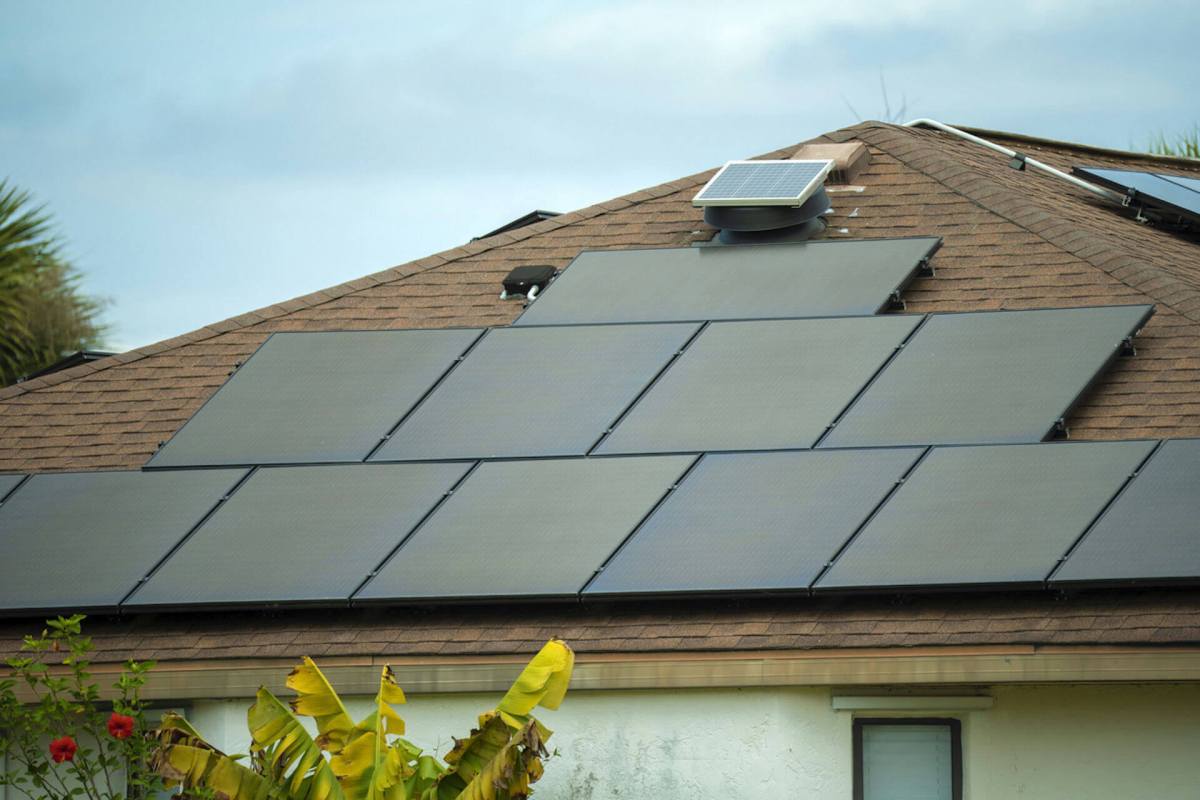



"An 11-kilowatt system — the average quoted on EnergySage — can offset approximately 14,000 kilowatt-hours annually," the company explained. "If you do the math, that works out to roughly the equivalent of preventing 58,000 Gemini queries from impacting the grid each year."
By using EnergySage's services to install a solar panel system, you may also keep an extra $10,000 in your pocket through available incentives for installations completed by the end of 2025.
The company provides a free mapping tool that shows you the average cost of a home system and available tax credits and rebates on a state-by-state basis, providing a one-stop shop for all your solar needs.
Pairing solar panels with other energy-efficient appliances, such as a heat pump, can cut your energy costs even more, and EnergySage makes it easy to find the right heat pump for your budget with its free heat pump quote comparison tool.
With tax credits for solar panels and many other home appliance upgrades expiring at the end of 2025, you'll want to complete installation quickly to take advantage of the maximum amount of savings.

Join our free newsletter for good news and useful tips, and don't miss this cool list of easy ways to help yourself while helping the planet.
Cool Picks





