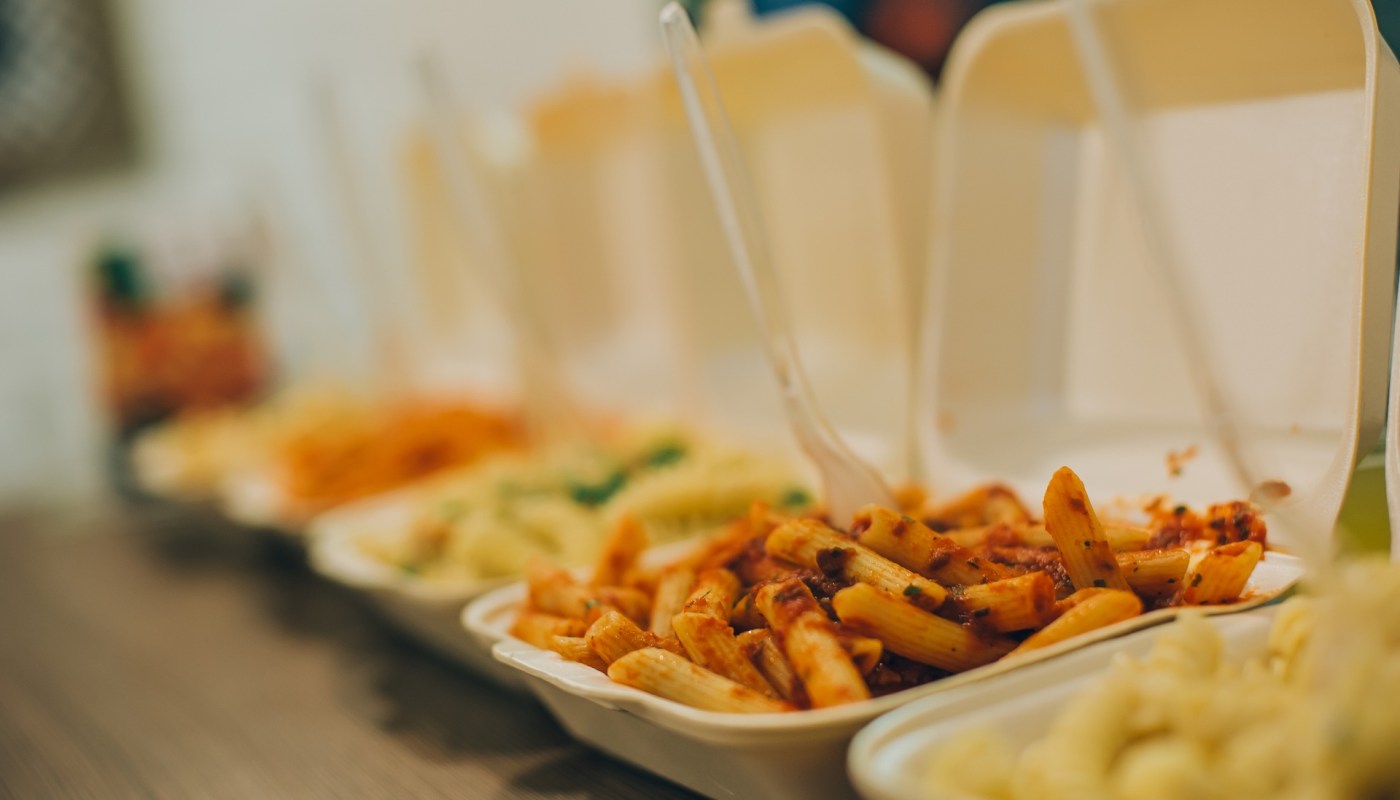
As of January 1, the government of Georgia took a major step toward reducing everyday waste with a wide-ranging single-use plastic ban on food-contact products.
According to Georgia Today, the move is framed as a practical, people-first effort to reduce plastic pollution while encouraging businesses and consumers to adopt safe and longer-lasting alternatives.
Under the new decree, manufacturers and importers will no longer be allowed to produce (unless for export), import, or sell items such as plastic forks, knives, spoons, and expanded polystyrene food containers, cups, and lids.
Restaurants and mobile food vendors will also be barred from serving ready-to-eat meals using these products.
One key exception: plastic packaging for pre-packaged foods will still be allowed, ensuring grocery access and food safety aren't disrupted.
To give people time to adjust, the regulation includes transition periods. Items already on shelves before the ban takes effect can remain for up to three months, while food-service businesses will have six months to use remaining stock. Some other plastic food-contact materials may stay on the market for up to a year.
Perk up the winter blues with natural, hemp-derived gummies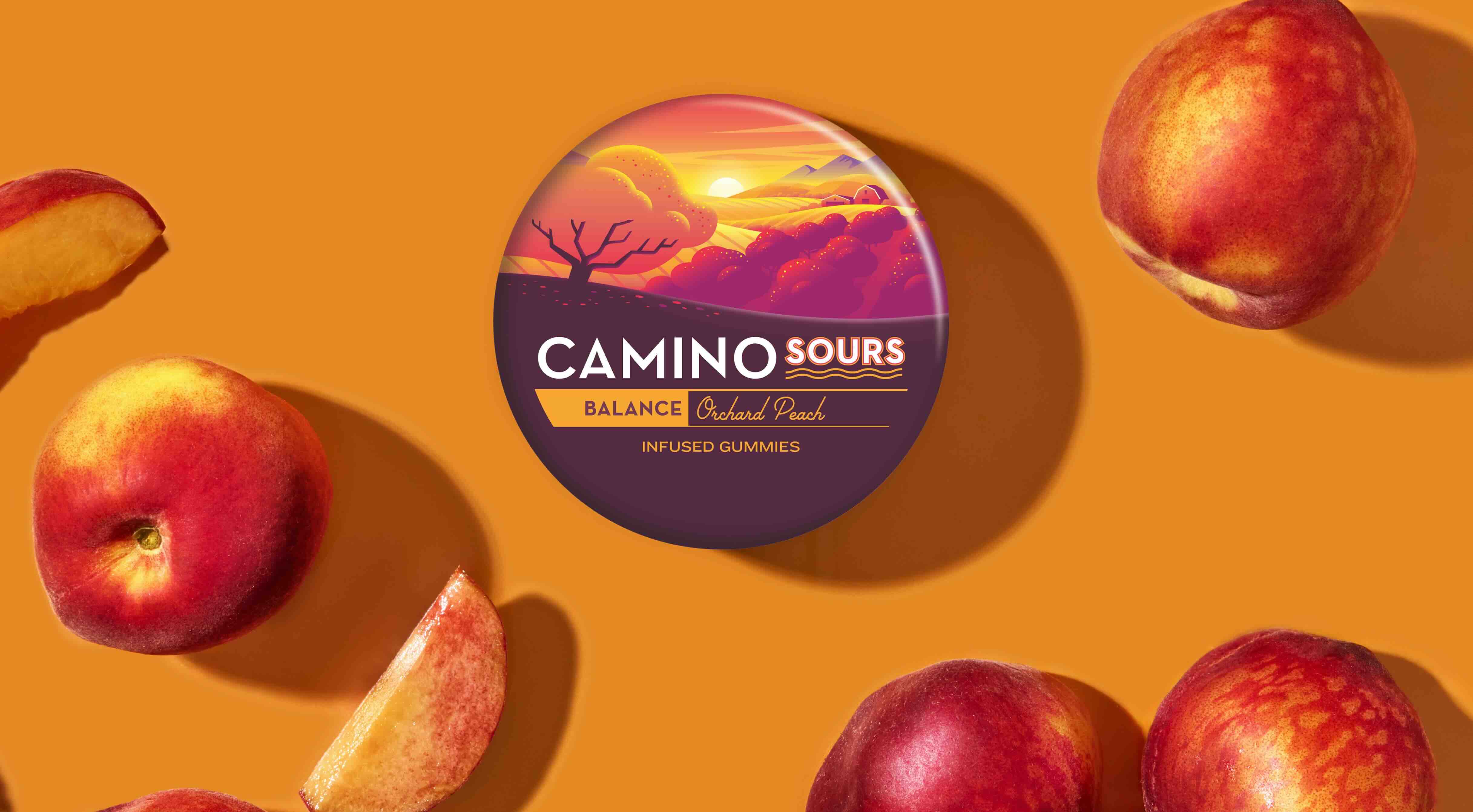 Camino's hemp-derived gummies naturally support balance and recovery without disrupting your routine, so you can enjoy reliable, consistent dosing without guesswork or habit-forming ingredients. Flavors like sparkling pear for social events and tropical-burst for recovery deliver a sophisticated, elevated taste experience — and orchard peach for balance offers everyday support for managing stress while staying clear-headed and elevated.
Learn more → |

Policies like this one have become increasingly common, and they've also begun to provide strong results.
A study of New Jersey's "Get Past Plastic Act" found a 96% drop in single-use bags distributed after the law took effect, eliminating more than 90 million bags in just eight months and cutting bag-related heat-trapping pollution by 38%.
Those kinds of outcomes point to real-world benefits for communities, from cleaner streets to less waste to manage.
Still, bans aren't without criticism. Small businesses often worry about higher costs for alternatives, and some consumers fear reduced convenience.
TCD Picks » Upway Spotlight
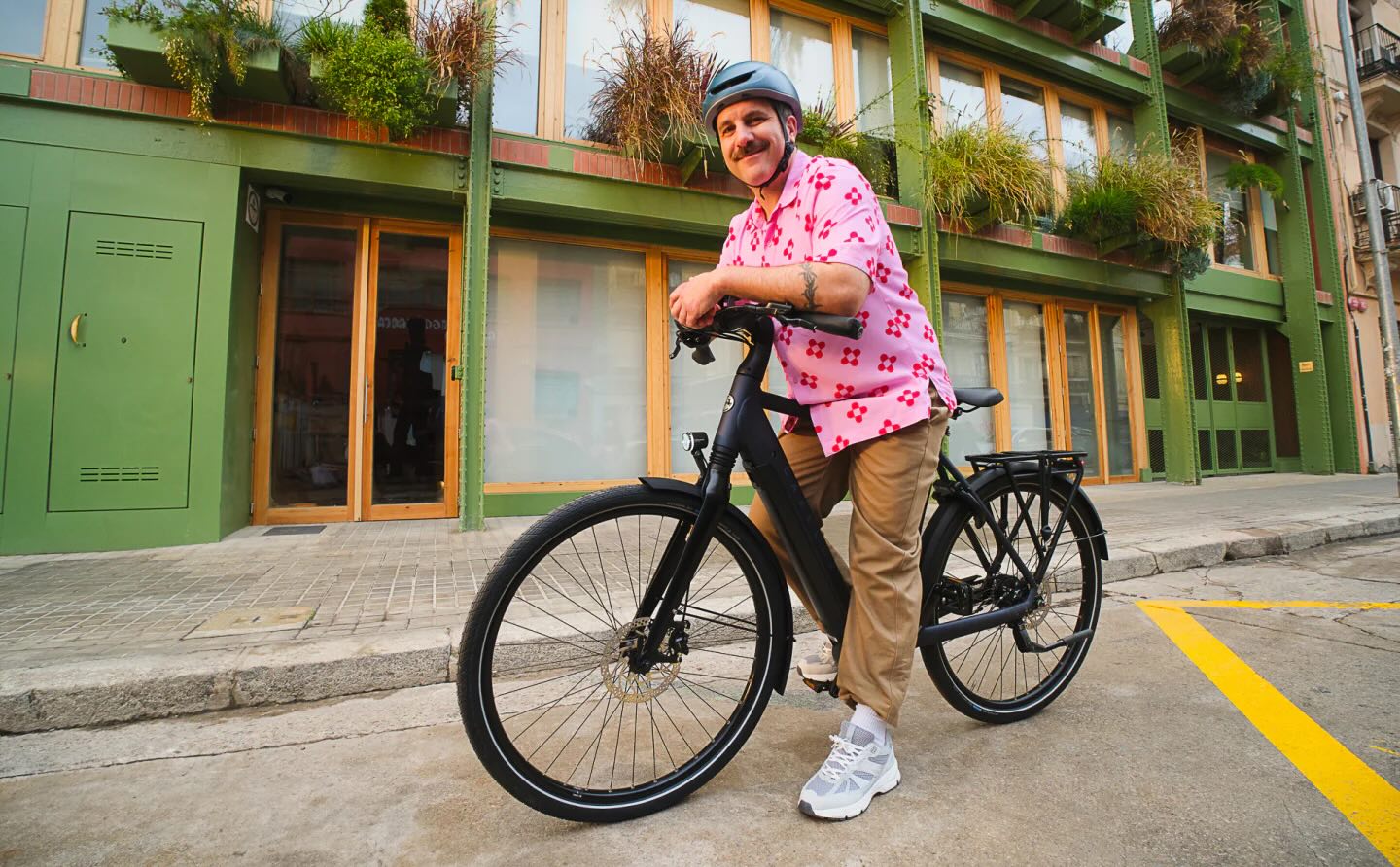
💡Upway makes it easy to find discounts of up to 60% on premium e-bike brands




|
What's the most you'd pay per month to put solar panels on your roof if there was no down payment?
Click your choice to see results and speak your mind. |
 $200 or more 💰
 Policymakers elsewhere are tackling this by promoting affordable substitutes and investing in biodegradable materials. One state in Malaysia, for example, is developing a unified single-use plastics ban by 2026 that pairs restrictions with support for businesses and innovation in circular materials.
Georgia's legislation is just one act of many we're seeing across the globe, reducing waste in ways that protect both people and the planet while giving communities the time and tools they need to adapt.

Get TCD's free newsletters for easy tips to save more, waste less, and make smarter choices — and earn up to $5,000 toward clean upgrades in TCD's exclusive Rewards Club.
Cool Picks