


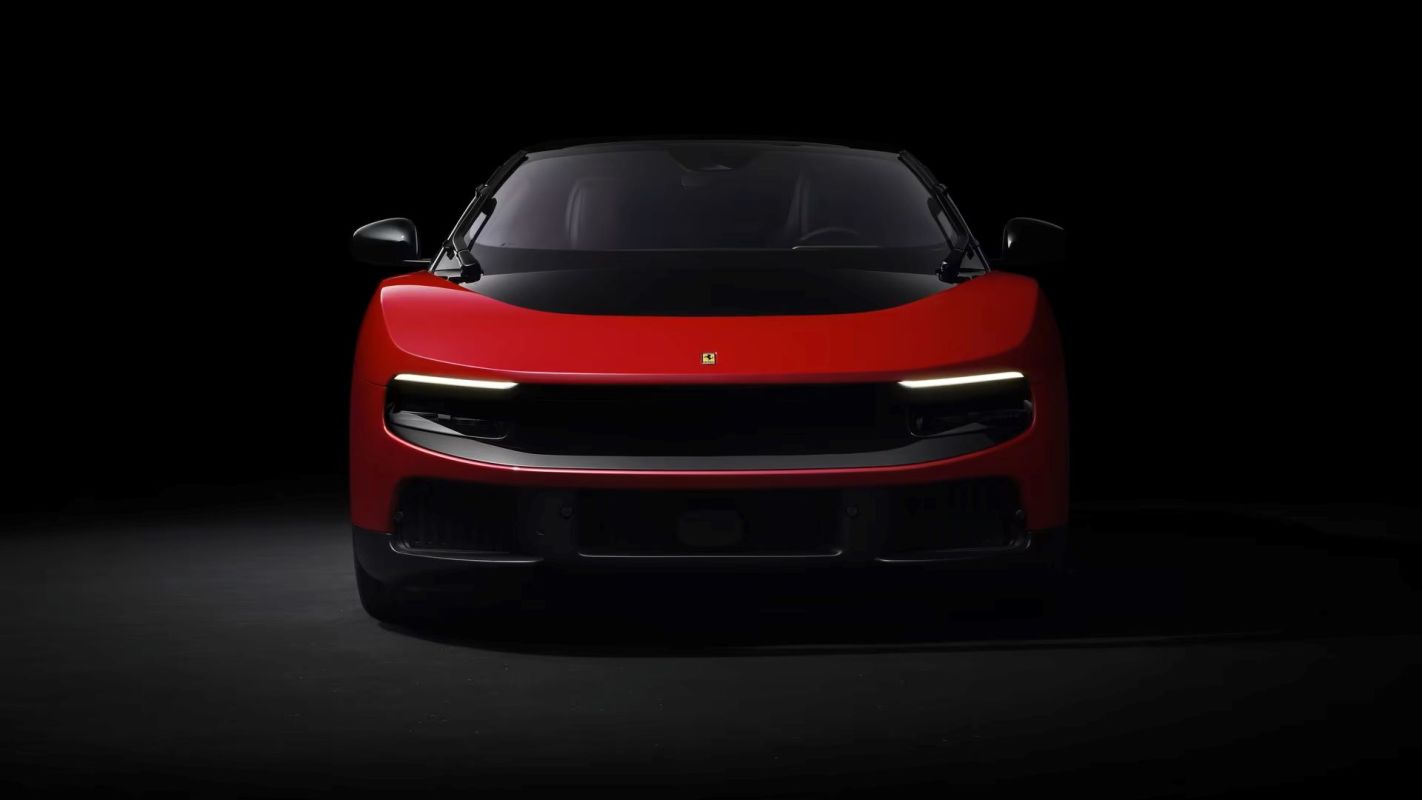
Ferrari's first electric car made auction history in California on Saturday when the automaker's inaugural EV sold for $40 million at RM Sotheby's Monterey sale against a presale estimate of $1.1 million, turning the debut into a major charity fundraiser, according to Electrek.
Here's what to know
The lot was chassis ZFF21BUA8T0338000 — and the first production Luce, known as "Chassis 0."
Because RM Sotheby's offered the car without a reserve and did not charge a buyer's premium, the entire $40 million hammer price is set to benefit The Ferrari Foundation, a 501(c)(3) supporting educational programs.
Ferrari created the one-off EV through its Tailor Made program, giving it a color-shifting "Madreperla Semi-Gloss" exterior, a bespoke interior, dedicated wheels, and custom trim accents.
The buyer will still have to wait before taking possession.
Electrek said the car is returning to Maranello to be finished ahead of an expected Q1 2027 delivery.
TCD Picks » Quince Spotlight
💡These best-sellers from Quince deliver affordable, sustainable luxury for all




Ferrari lists the Luce at about €550,000, or roughly $640,000, so the $40 million result came in more than 36 times above the presale estimate and far beyond the model's normal sticker price.
More background
This is not the first time Ferrari has used charity sales of special cars to generate headline-making numbers, as Electrek detailed.
The same foundation received $26 million from the sale of a one-off Daytona SP3 at the 2025 Monterey auction.
In 2017, a unique LaFerrari Aperta raised $10 million for earthquake relief at Ferrari's Maranello sale.
That track record puts the Luce alongside some of Ferrari's rarest auction moments.
Electrek noted that a 1962 Ferrari 250 GTO sold for $48.4 million at an RM Sotheby's event in 2018, a total that still ranks among the highest ever achieved for a car at public auction.
Against that backdrop, it is especially notable that a brand-new EV with no customer deliveries yet finished just $8.4 million below that number.
Ferrari's electric rollout also faced resistance after the model's launch in Rome. Former Ferrari chairman Luca di Montezemolo said the car did not merit the badge, and Ferrari changed its marketing leadership.
Despite that pushback, Electrek reported that nearly 500 units allocated for 2026 had already sold out before the company delivered even one car.
A multimillion-dollar Ferrari has little practical relevance for most drivers.
Still, EV demand continues to expand, including at the ultra-luxury end of the market.
What can be done?
Buying an electric vehicle is less about collector prestige and more about practical savings.
EVs can cut fuel costs significantly, tend to require less routine maintenance because they don't need oil changes, and have fewer moving parts than gas-powered cars.
Basic Level 1 charging is typically slow, but Qmerit provides estimates for Level 2 home charger installations, allowing drivers to charge up faster and save money by charging at home.
Performance brands long associated with combustion engines are investing in battery-powered models, alongside charging networks, supplier investment, and growing consumer confidence.
One commenter viewed the Ferrari auction as historically significant.
"The very first ferrari BEV. This is a bet that in 25 years, ferrari will still exist and collectors will treat this car as the end/beginning of an era for the iconic performance car company," they wrote.

Get TCD's free newsletters for easy tips, smart advice, and a chance to earn $5,000 toward home upgrades. To see more stories like this one, change your Google preferences here.






