


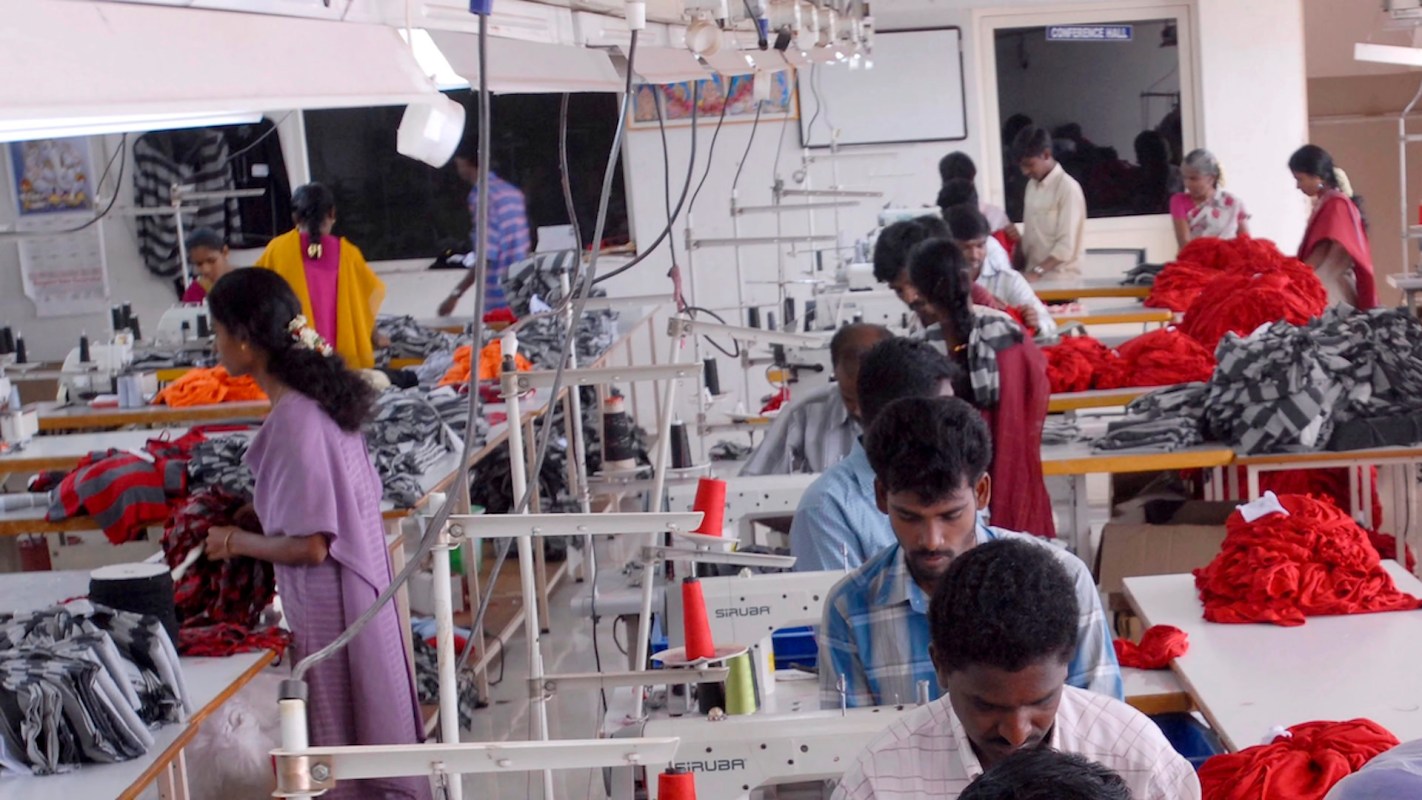
The global fast-fashion industry is built on speed, low costs, and constant turnover, but beneath the bargain price tags, there's a hidden toll on both people and the planet.
What's happening?
A former garment engineer, once part of the very system that churns out cheap, trendy clothing, publicly shared his firsthand account of how the industry harms workers and the environment.
In a CBC first-person story, Itrat Anwar shared his experience working in Bangladesh's garment sector. He witnessed the exploitation that fuels the $1.53 trillion fast-fashion market, from unsafe factories to poverty-level wages.
"I could no longer be part of a system I no longer believed in," he wrote.
The fast-fashion business model relies on producing enormous volumes of clothing at low cost, often designed to quickly deteriorate and drive future sales.
Not only does this require demanding work hours for extremely low wages, but this cycle also generates enormous waste.
Why is fast fashion concerning?
The fashion industry produces over 92 million tons of textile waste each year, much of it ending up in landfills or polluting waterways.
Garments made with synthetic fibers shed plastic into oceans every time they're washed, while dyes and chemicals used in production seep into rivers.
The human cost is equally devastating.
Many garment workers, predominantly women in countries such as Bangladesh, Vietnam, and Cambodia, face unsafe working conditions, long hours, and wages that barely cover basic needs.
TCD Picks » Quince Spotlight
💡These best-sellers from Quince deliver affordable, sustainable luxury for all




|
Which of these factors would most effectively motivate you to recycle old clothes and electronics?
Click your choice to see results and speak your mind. |
 Giving me money back 💰
 Without change, this cycle will continue to fuel both environmental destruction and systemic labor exploitation.
What's being done about fast fashion?
Advocates are calling for stronger labor protections, higher wages, and stricter environmental regulations for clothing brands.
On the consumer side, shifting toward sustainable fashion choices can make a big difference.
As Anwar stated, consumers should ask themselves: "Who made this and at what cost?"
Buying secondhand is one of the most effective ways to cut down on textile waste, and it can save shoppers significant money. Thrifting, clothing swaps, and repairing or upcycling existing garments extend the life of clothes and keep them out of landfills.
Every time you opt for reused or responsibly made clothing, you chip away at the wasteful cycle and send a message to brands that better practices matter.

Join our free newsletter for good news and useful tips, and don't miss this cool list of easy ways to help yourself while helping the planet.
Cool Picks





