


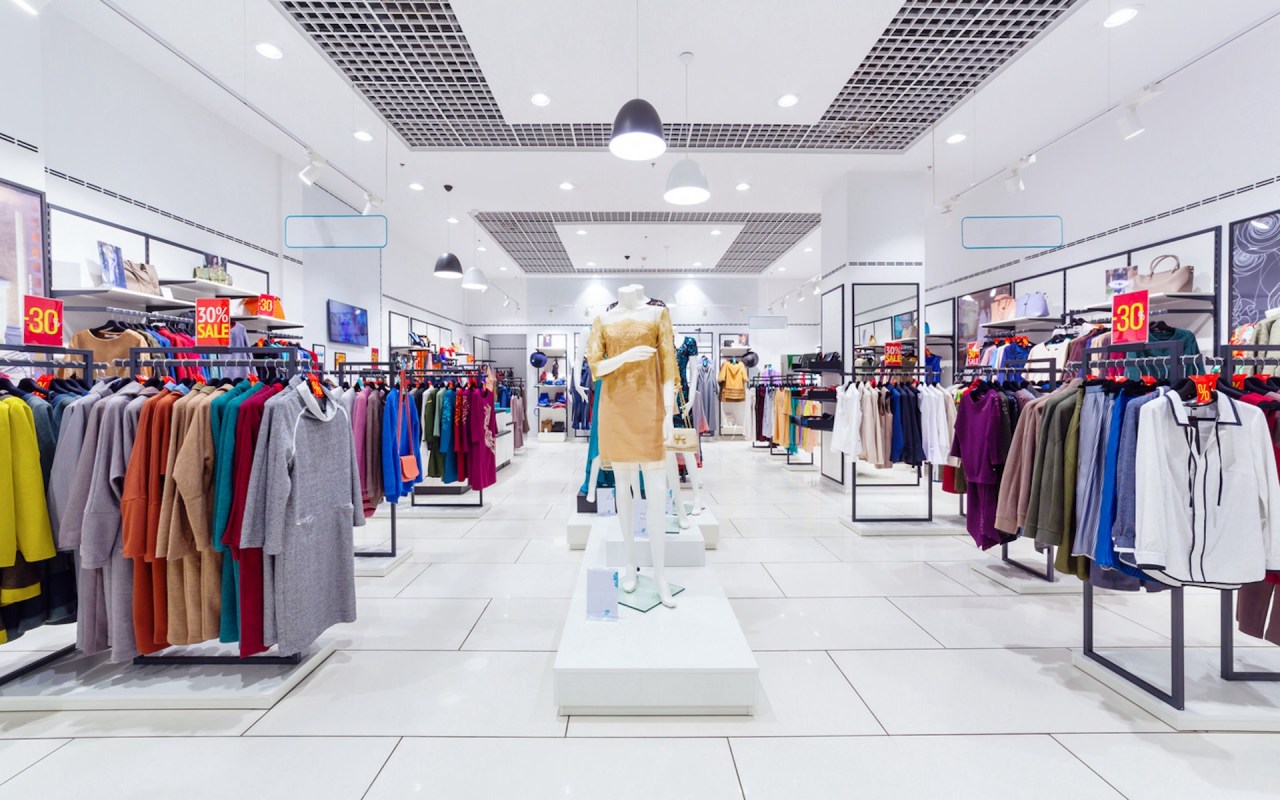
Those fancy threads you dote on may not hold up better than the $5 T-shirt in your drawer just because you perceive them to have superior quality.
What's happening?
A study about the link between garment durability and price revealed that "luxury prices do not guarantee quality or longevity," Forbes reported. Funded by Primark, the research, which tested textile abrasion, seam strength, fading, and repeated washing and drying, showed that 65 clothing items in three categories — T-shirts, jeans, and hoodies — performed similarly no matter their cost.
Jeans that cost $160-$200 were ranked the most durable, for example, but two pairs priced $15-$40 landed second and third. Two of the top three T-shirts cost less than $13.30.
🗣️ Which of these factors would most effectively motivate you to recycle old clothes and electronics?
🔘 Giving me money back 💰
🔘 Letting me trade for new stuff 👕
🔘 Making it as easy as possible ⚡
🔘 Keeping my stuff out of landfills 🗑️
🗳️ Click your choice to see results and speak your mind
"There isn't a correlation between price and durability," said Alex Robinson, CEO of Hubbub, an environmental charity that conducted the research with the University of Leeds. "Consumer polling showed not only do people believe that more expensive clothes are better quality but that they are more likely to look after more expensive clothes."
Why is this important?
Fast fashion garners a ton of attention for its lack of sustainability, but the luxury clothing market may be equally wasteful. The fashion industry, on the whole, accounts for as much as 8% of global carbon pollution and is the second-leading water user behind agriculture, according to the Geneva Environment Network. It employs 300 million people around the world and contributes $1.3 trillion to economies.
This is especially bad because up to 85% of clothing is trashed each year. That means all that pollution, all those resources are going down the drain — along with "forever chemicals" as well as the microplastics shed in production and by textiles, leading to polluted waterways and threatening the health and even lives of humans and wildlife.
Fast and luxury fashion can be equally damaging to the people who work at the beginning of the supply chain in mostly developing nations. These employees earn little money, often work in poor conditions, and suffer human rights losses.
What's being done about fashion waste?
The best way to fix this problem is to buy less, shop secondhand, and fix what you have. This stretches the life span of clothing, giving you more bang for your buck and reducing demand for unneeded products. It also cuts into that waste problem. If you must buy new, support environmentally conscious brands.
Wearing your clothes for even just nine months longer can reduce water, carbon, and waste footprints by up to 30% each, according to Forbes. Primark is also creating a database about machine-washable clothes so it can advise consumers about optimal care strategies, and European legislation is set to push companies toward circularity and charge them for the costs associated with clothing at the end of its life span.

Join our free newsletter for good news and useful tips, and don't miss this cool list of easy ways to help yourself while helping the planet.
TCD Picks » Quince Spotlight
💡These best-sellers from Quince deliver affordable, sustainable luxury for all




Cool Picks






