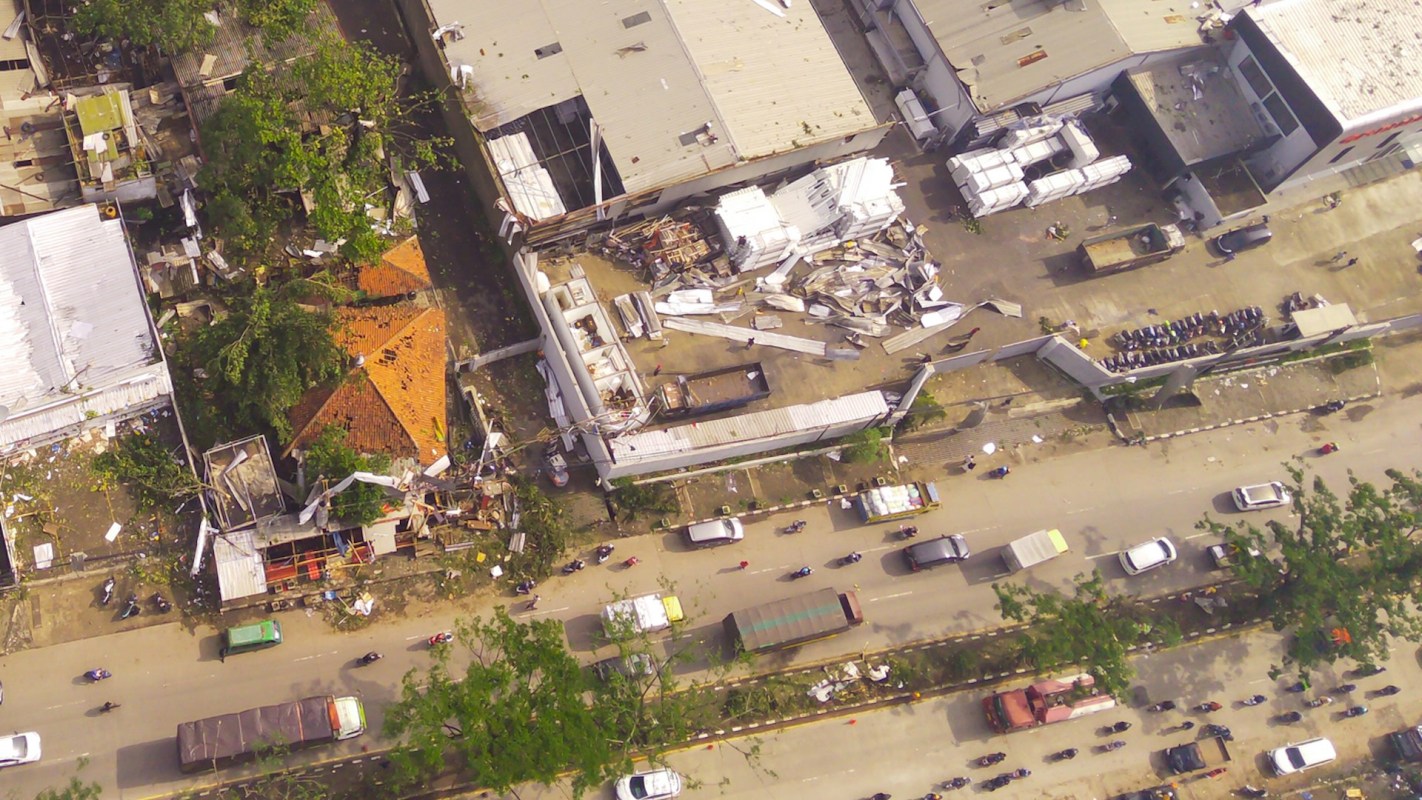
Extreme weather events are becoming more common — and more costly — and scientists say climate change is to blame.
A new data analysis from the insurance company Munich Re found that frequent extreme weather events — and countries' inadequate prevention practices — are costing nations billions of dollars.
What causes extreme weather events?
Extreme weather events include heat waves, hurricanes, floods, blizzards, droughts, and more. While these weather events occur naturally, there's been a documented uptick in their frequency — and, for some events, in their intensity.
Over the past few decades, we've seen longer heat waves and droughts, bigger wildfires, stronger winter storms, and more hurricanes, and evidence is pointing to human-driven climate change as the source.
Tobias Grimm, a lead climate scientist at Munich Re, said: "For some countries, the damage data has been particularly influenced by individual events in recent years. … Studies have identified a clear influence of climate change: They are becoming more frequent and more intense."
Pollution contributes to warmer global temperatures, which prolong heat waves and droughts, and since warm air holds more moisture, it creates favorable conditions for hurricanes and winter storms.
Spread the holiday glow with 40% off curated plant-based skincare sets OM Botanicals is known and loved for delivering food-grade skincare formulations that nourish without harsh chemicals — and this holiday season you can spread the glow with 40% off carefully curated gift sets. Whether you’re gifting wellness seekers, conscious beauty lovers, or just treating yourself, OM delivers full-spectrum herbal extracts, bioavailable vitamins, and microbiome-friendly ingredients crafted in small batches with artisan-level care. Learn more → |

Why you should care about extreme weather events
Extreme weather events aren't just a climate issue, but an economic one, too.
The Munich Re analysis found that "in eight of the 10 largest industrialized countries, losses from weather catastrophes are significantly higher today than in the 1980s."
The U.S., Canada, France, Italy, and other countries are suffering significant weather-related financial losses. A 2021 flood cost Germany over $42 billion — "the costliest flooding disaster in history," Munich Re reported.
Frequent weather events can also impact homeowners' insurance premiums, with more areas experiencing significant price hikes due to increased risk.
TCD Picks » Upway Spotlight
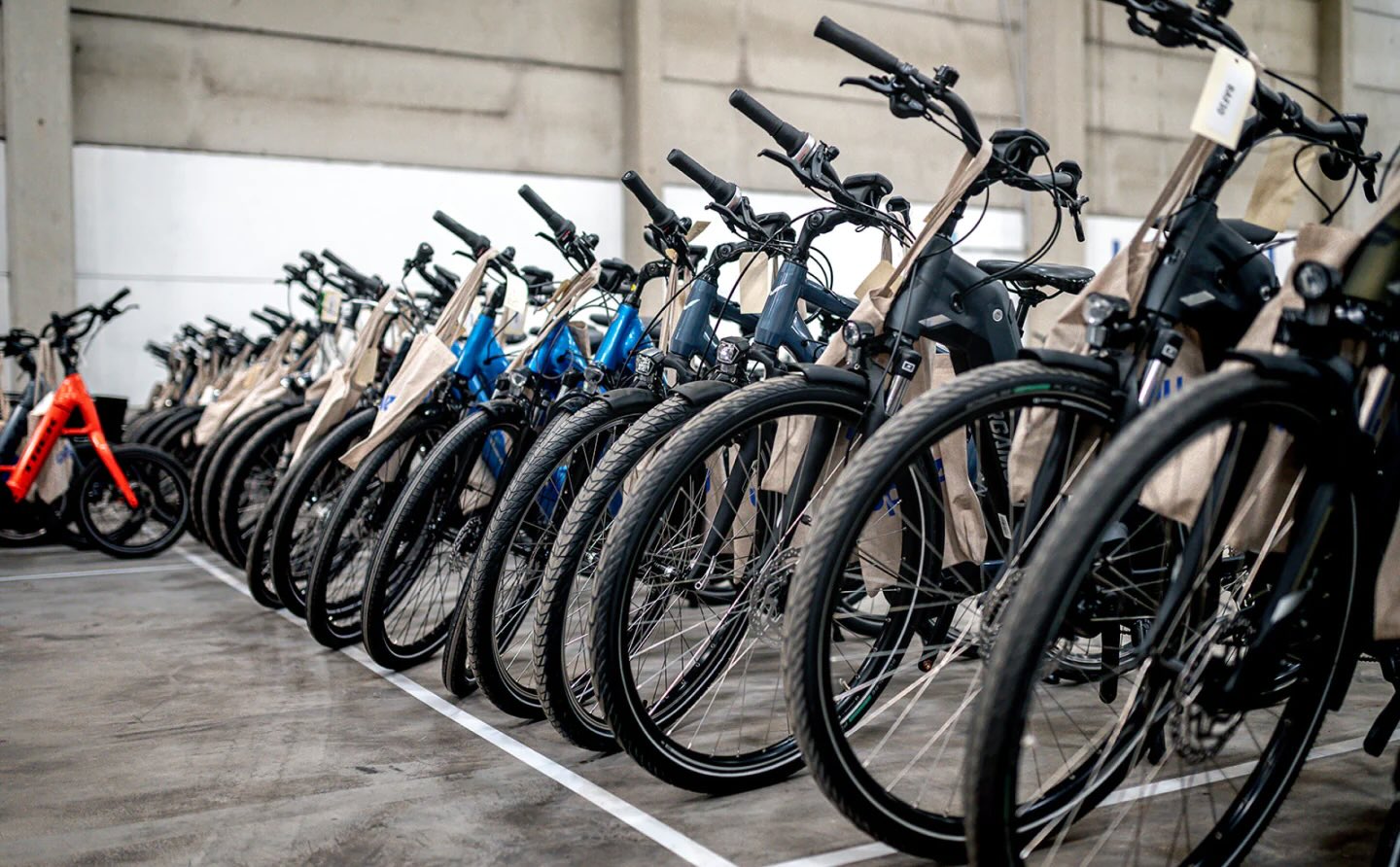
💡Upway makes it easy to find discounts of up to 60% on premium e-bike brands




|
Should governments be investing money into new, futuristic cities? Click your choice to see results and speak your mind. |
 Definitely 👍
 Munich Re's analysis also found that prevention methods, while costly to enact, can reduce a country's overall losses from natural disasters. China, which is flood-prone, hasn't seen increased losses since investing heavily in flood-protection measures such as dams, levees, and drainage systems.
Extreme weather events can be expensive to prevent, but they're even more expensive to recover from.
"Rich countries, poor countries — it makes no difference to climate change," said Grimm, per Munich Re. "Weather disasters destroy lives, livelihoods, and economic assets all over the world. It would make more sense to invest much more money in prevention than having to spend billions rebuilding after disasters — in richer and poorer countries alike."

Get TCD's free newsletters for easy tips to save more, waste less, and make smarter choices — and earn up to $5,000 toward clean upgrades in TCD's exclusive Rewards Club.
Cool Picks