


If you're wondering what happened to your computer from 20 years ago, it just might be at a massive e-waste dumpsite in Ghana, one of the major destinations for discarded electronics from Europe and North America. In the r/UrbanHell subreddit, one user shared photos that captured a haunting scene at an e-waste graveyard.
What's happening?
"Western world's e-waste in Ghana," the user titled the post, which contained several photos that showed the extent of the waste. The first photo is perhaps the most disturbing, as you can see piles of computer components and other gadgets for seemingly miles in every direction. The other images show locals scavenging among broken electronics to recover valuable metals.
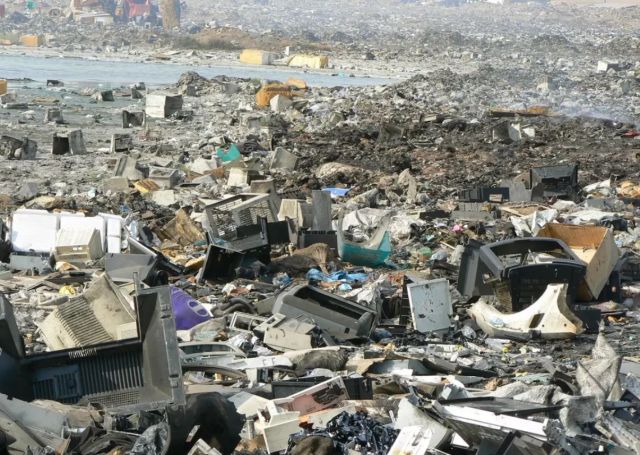
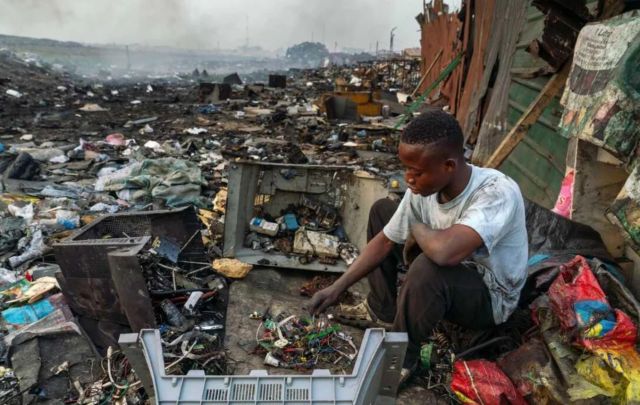
Commenters were appalled by the amount of waste, and some even compared the dump site to scenes in the movie "Wall-E."
"Such a god damn shame. There's been electronics produced to supply the world for years and years to come if we didn't need to constantly replace everything and make stuff obsolete, but instead this happens," one person said.
"Worst part is people probably dropped all of this off at a 'recycling' center thinking it would be reused or broken down," another shared.
"We've become parasites within our own home," someone else said, adding that the planet is around 4.5 billion years old, yet it only took humans about 40 years to create toxic e-waste sites.
TCD Picks » Quince Spotlight
💡These best-sellers from Quince deliver affordable, sustainable luxury for all




Why is the e-waste in Ghana concerning?
E-waste isn't just a concern in Ghana, but also in China, India, Nigeria, and other developing countries that receive large amounts of e-waste from developed nations. Many times, these countries have only informal recycling centers to process materials, meaning they lack regulations and safety standards that would protect workers from harmful chemicals and heavy metals in electronics.
In some ways, electronic pollution rivals that of plastic waste in terms of environmental and public health concerns, as it can leach thousands of chemicals into the air, groundwater, and soil, contributing to respiratory and other serious health issues, according to the World Health Organization.
The research-into-policy platform VoxDev called e-waste a "silent killer" in Ghana and Nigeria, citing a study that showed children living near e-waste sites had much higher mortality rates compared to those farther away.
Not to mention, the wasted materials from electronics that could have been recovered from recycling, such as iron, copper, and gold, cost the global economy nearly $60 billion every year, according to the green tech company Sircel. Companies, therefore, have to spend more on production and labor by mining for new materials and creating new components that could have been easily produced from salvaged metals.
|
How do you usually dispose of your old electronics? Click your choice to see results and speak your mind. |
 Throw them away 🗑️
 Are companies doing anything about this?
Major retailers, such as Apple, Best Buy, and Target, offer trade-in programs for unwanted gadgets, including computers and phones, through which you can receive cash back or store credit if the gadgets are in good condition. If the items aren't eligible for credit, most stores will recycle them for free.
Other companies, such as the startup Trashie, can help you dispose of old electronics in an eco-friendly manner. Trashie provides customers with a Tech Take Back Box to fill with outdated or nonfunctional electronics. In exchange, they can receive awesome rewards, such as discounted movie tickets or clothing from popular brands.
What's being done about e-waste more broadly?
Researchers are also developing methods to extract valuable materials, such as gold, from computer parts, which would contribute to a circular economy and prevent harmful materials from being sent to landfills. Individually, you can help by selling or donating old electronics or bringing them to a dedicated e-waste recycling center.

Join our free newsletter for good news and useful tips, and don't miss this cool list of easy ways to help yourself while helping the planet.






