


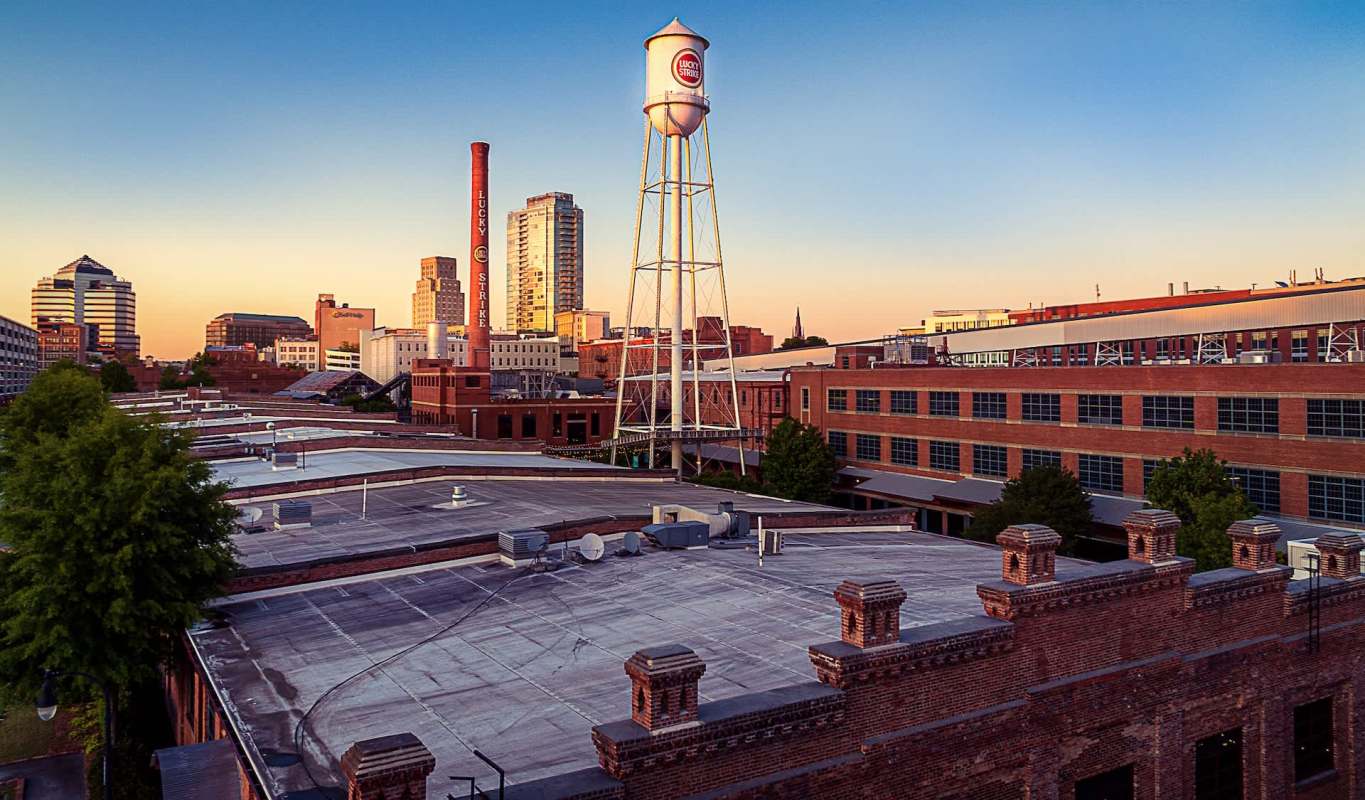
The city of Durham, North Carolina, is putting a temporary stop to one of the country's fastest-growing — and most debated — forms of development, giving residents and city leaders a chance to decide what should happen next.
On May 4, the Durham City Council approved a 60-day moratorium on new data center proposals, according to WRAL. The approval makes Durham an early mover among North Carolina communities to temporarily halt the projects as concerns grow over their effects on electricity and water.
Council members said the short pause is meant to give the city time to work with the public on a longer-term approach to so-called hyperscale facilities.
That could have major implications for local communities.
Data centers, which support cloud computing and artificial intelligence tools, can put enormous pressure on local resources. Based on household consumption data from the U.S. Energy Information Administration, WRAL reported that a 300-megawatt data center may consume electricity comparable to roughly 200,000 North Carolina homes running continuously.
WRAL also reported that Michael Natelli, a developer behind a previously proposed data center in Apex that's now on pause, has said large facilities can need 1 million gallons of water per day at peak use and indicated even that figure may be low.
TCD Picks » Quince Spotlight
💡These best-sellers from Quince deliver affordable, sustainable luxury for all




For residents, a pause like this creates something that can be hard to come by in fast-moving development disputes: time. Instead of rushing proposals forward, Durham now has an opening to study how data centers could affect utility costs, water supplies, local temperatures, and long-term land use. It also gives people more of a chance to weigh in on decisions that could shape their neighborhoods for years.
There could be significant environmental benefits, too.
Researchers have increasingly warned that large data centers may worsen local heat. When paired with high electricity demand, that can strain the grid and increase pollution if utilities rely on dirtier power sources to meet demand. Those burdens often land hardest on communities already facing high energy bills and hotter living conditions.
City leaders had first talked about a 24-month pause, but legal and procedural issues narrowed the initial move to 60 days. Any moratorium beyond that would need approval from the joint city-county planning commission, while Durham County is considering one of its own, WRAL reported.
Council members suggested a longer freeze could still be on the table.
That matters for residents who worry that 60 days alone may not be enough. Still, even a short moratorium could prove significant if it results in stronger policy, including better zoning rules, limits on water use, tougher efficiency requirements, and clearer public oversight before large projects move ahead.
Backers of data centers say the facilities can bring tax revenue, construction jobs, and broader digital infrastructure benefits. Some landowners view them as an economic opportunity, and many policymakers are reluctant to shut the door on AI-related growth altogether. Those concerns are real, especially in places looking for jobs and investment.
A middle path may be emerging. Rather than allowing unlimited expansion or banning data centers outright, cities could require them to be built in appropriate industrial zones, use recycled or nonpotable water when possible, meet stricter energy-efficiency standards, add onsite clean energy, and sign community benefit agreements.
For now, Durham officials say the vote is only the start of a larger public conversation.
"Durham is the first, not the only, of North Carolina's major communities to do this," council member Nate Baker said. "When the moratorium goes into effect, I'm counting on a highly engaging and collaborative process with the community, especially those experts who played a key role in putting this moratorium forward."
And one resident who spoke at the meeting captured why so many people showed up: "Data centers are not a singular issue. It impacts immigration, it impacts your ability to be safe, and our ability to breathe easily in our community. We are paying the energy bill for these industries that are profiting off of us."

Get TCD's free newsletters for easy tips, smart advice, and a chance to earn $5,000 toward home upgrades. To see more stories like this one, change your Google preferences here.






