North America's top electric grid watchdog has issued its highest-level alert over a fast-growing problem: Data centers are placing new strains on the power system, and grid operators may not be prepared for how quickly that risk is escalating, reported Utility Dive, which called the warning "rare."
The North American Electric Reliability Corporation, better known as NERC, helps oversee grid reliability across much of North America — including the United States, Canada, and parts of Mexico — according to the outlet.
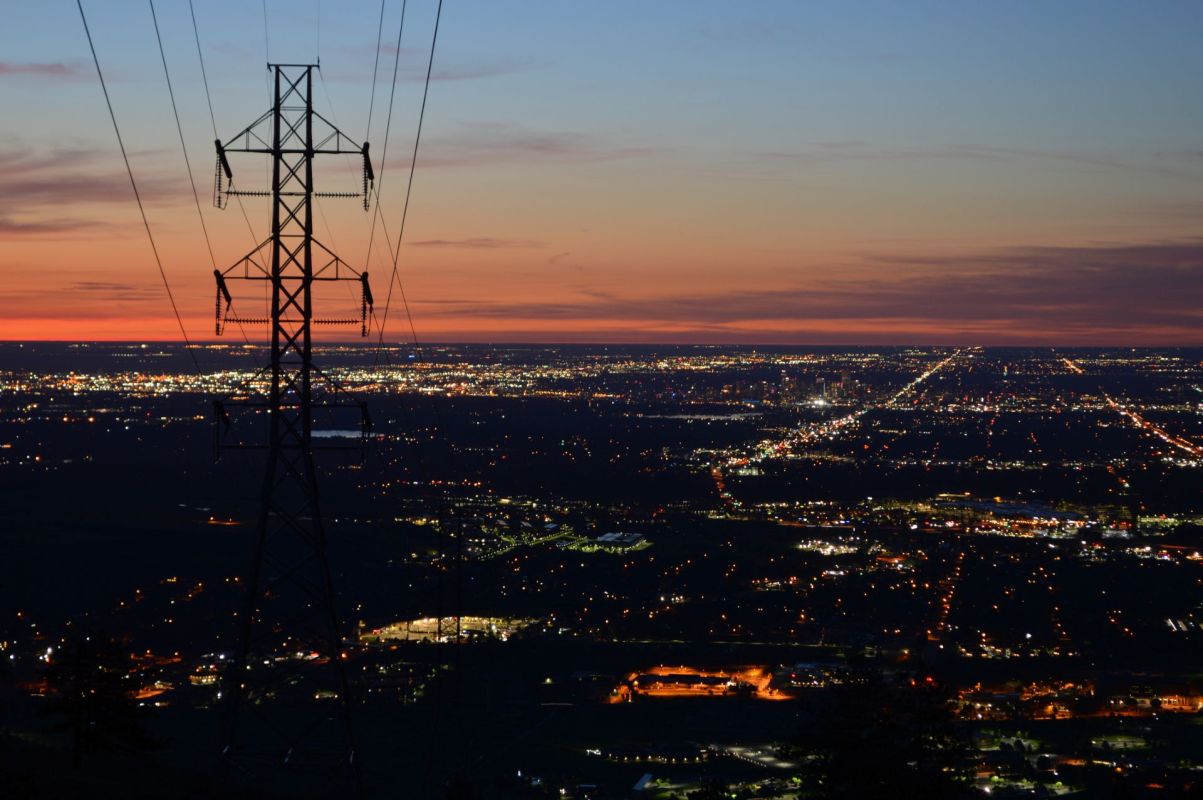
In early May, the group issued a warning that rapidly changing power demand from large computing facilities could destabilize the grid and raise the risk of outages and blackouts. NERC moved this issue to a Level 3 alert, its top "essential action" category, after a prior warning in 2025.
According to the agency, the data centers that power operations such as artificial intelligence are prone to drastic power swings and sometimes extremely high power use levels. NERC warned in a press release that grid operators have "little or no room for real-time responses," and such extreme and constant fluctuations could send entire grids offline.
The alert went to the organizations responsible for maintaining reliability across the bulk power system, including regional transmission organizations and power plant owners. NERC said in its alert that those entities still lack "sufficient processes, procedures, or methods to address risks associated with computational loads."
And the issue is not limited to AI training. NERC also identified cryptocurrency mining operations and traditional data centers as potential threats to grid stability.
TCD Picks » Quince Spotlight
💡These best-sellers from Quince deliver affordable, sustainable luxury for all




The agency directed operators to take immediate steps to reduce the risk and submit mitigation plans by August 3 of this year.
"As the grid faces unprecedented challenges from a surge in large power consumers, NERC is taking significant steps to ensure the reliability of the bulk power system," the group said in its release.
Electric grids depend on a constant balance between supply and demand. When massive power users suddenly ramp their consumption up or down, that balance can break.
If grid operators cannot respond quickly enough, the result can be stress on equipment, service disruptions, or, in more severe cases, widespread blackouts — with consequences far beyond inconvenience.
Power disruptions can affect hospitals, internet access, refrigerated food supplies, heating and cooling systems, and other essentials.
Meanwhile, when electricity demand grows rapidly, utilities may move to build new infrastructure — adding costs that can ultimately increase customers' monthly bills.
There is also a broader environmental concern.
If rising demand from data centers is met with a higher use of fossil fuels over cleaner energy, that can worsen air pollution and increase heat-trapping emissions.
Many large computing facilities also consume significant amounts of water for cooling, adding pressure to local resources in some regions.
On the positive side, AI may help utilities project demands, integrate solar and wind power more effectively, detect equipment problems earlier, and improve efficiency.
But training and operating advanced AI systems can require huge amounts of electricity and water, while raising additional concerns around misuse, cybersecurity, and unintended social effects, including higher energy costs if infrastructure fails to keep up.
NERC's alert highlights how quickly this challenge is intensifying. Data centers are expanding at a rapid pace, and if grid planning, reliability rules, and utility coordination do not keep up, the consequences could extend well beyond the tech sector and into everyday life.
But solutions could come into play to improve the forecast. Facilities could leverage cleaner energy sources, for example, and mindful siting could help to reduce harmful impacts on communities.
As AI and other computing-intensive industries continue to grow, one challenge will be making sure innovation does not outpace the systems people depend on every day. NERC's warning suggests that effort is now urgent.

Get TCD's free newsletters for easy tips, smart advice, and a chance to earn $5,000 toward home upgrades. To see more stories like this one, change your Google preferences here.