


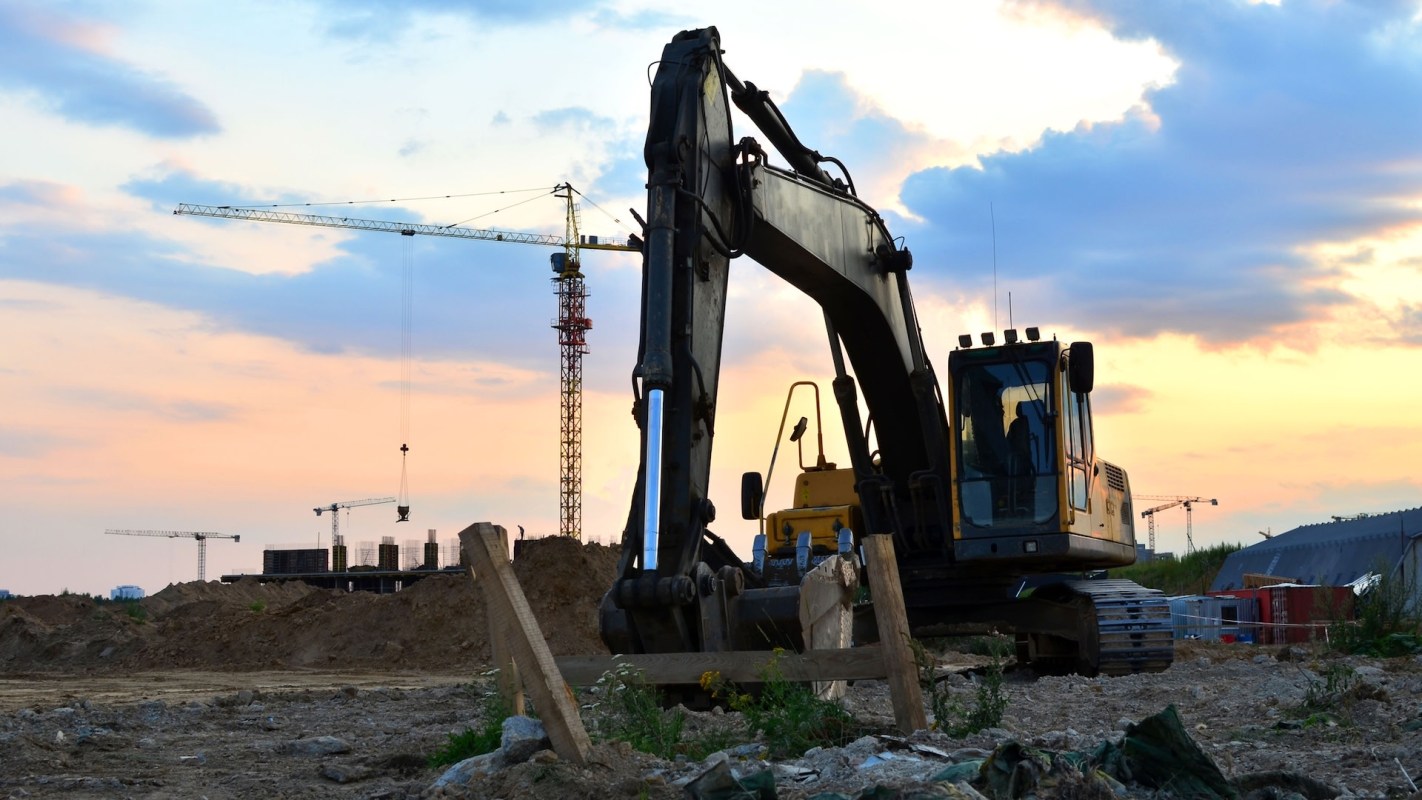
The U.S. Department of Energy is shifting away from key clean energy solutions and justifying increased investments in dirty energy to power the American grid.
Its policy moves are slowing the momentum of solar energy and may result in increased costs and security risks.
What's happening?
As EnergySage reported, solar power is affordable and scalable despite the federal government subsidies expiring at the end of the year. EnergySage is an objective, independent source of solar industry expertise, offering free tools to compare quotes and receive quick installation estimates.
A Lazard report revealed that solar and wind energy are the most affordable sources of new electricity in America. Meanwhile, gas costs are increasing, and the cost of building a new gas-powered plant is significantly higher than that of a new solar-powered one.
"Lazard's latest Levelized Cost of Energy+ analysis found that gas plant construction is at its most expensive point in a decade, driven by record-high electricity demand and a growing shortage of equipment like turbines," EnergySage's Casey McDevitt wrote.
EnergySage also highlighted the fact that America's backtracking on clean energy puts the country at a competitive disadvantage to China. With increasing energy demands resulting from the growth of artificial intelligence and data centers, the U.S. could miss opportunities to advance the latest technologies because of grid limitations.
Meanwhile, clean power is essential to energy independence and less reliance on foreign providers. National security and economic competitiveness are at stake for nations that fail to adopt energy solutions that are cheaper and quicker to build than gas and other pollution-heavy energy sources.
Why is reverting to gas problematic?
Curbing and reversing progress on clean energy momentum is concerning because the alternative is reverting to outdated, nonrenewable resources that harm the environment.
Save $10,000 on solar panels without even sharing your phone number Want to go solar but not sure who to trust? EnergySage has your back with free and transparent quotes from fully vetted providers that can help you save as much as $10k on installation. To get started, just answer a few questions about your home — no phone number required. Within a day or two, EnergySage will email you the best local options for your needs, and their expert advisers can help you compare quotes and pick a winner. |

Gas emits high rates of methane and pollution when burned, exacerbating our climate crisis. It relies on aging infrastructure, is becoming more expensive to use, and makes the U.S. less secure and competitive.
Clean, renewable energy sources have been growing steadily, benefiting both people and the planet. However, recent political actions risk reversing that progress by ignoring promising innovations and halting large-scale projects that could put the country in a more sustainable position.
|
Do you think the government should ban gas-powered lawn tools? Click your choice to see results and speak your mind. |
 No way 🙅
 What's being done to advance the clean energy transition?
Despite what is happening at the federal level, there are still many things that you can do to live a sustainable life and set an example for people around you.
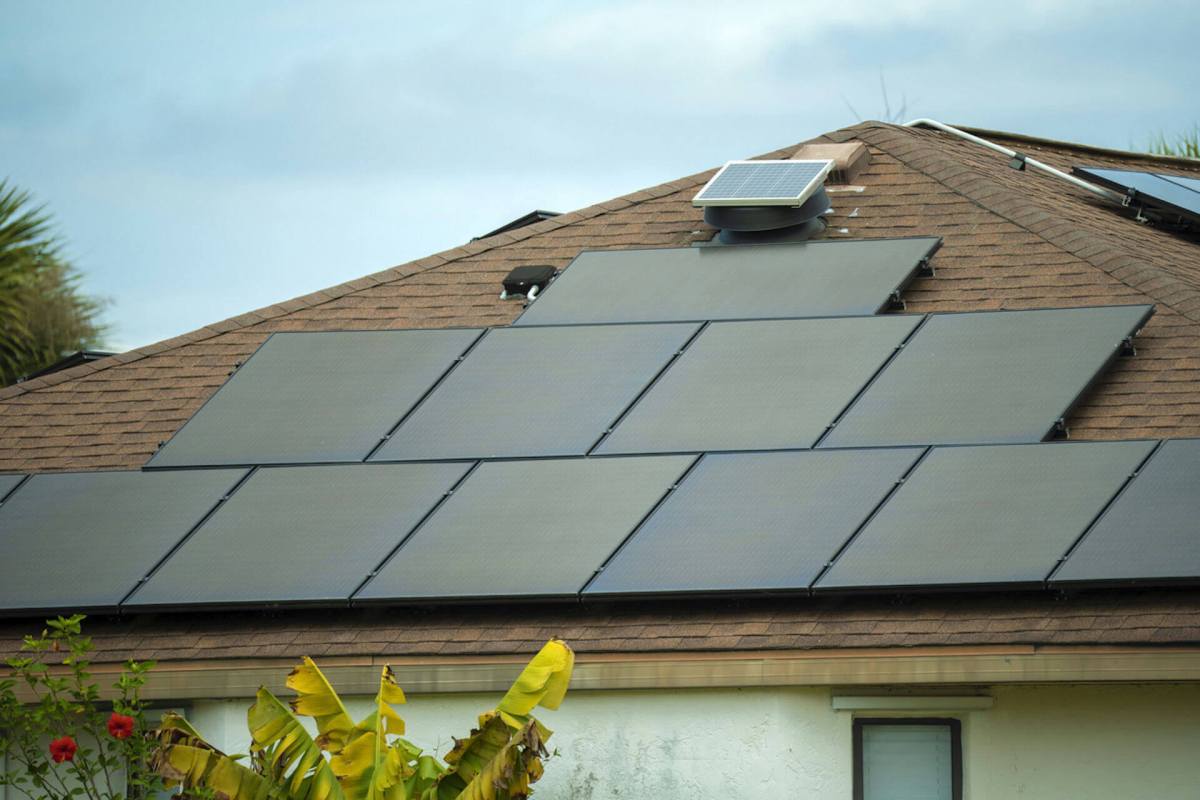
For example, you can reduce your personal reliance on the grid by installing solar panels on your home and pairing them with a backup battery system. EnergySage provides a mapping tool to help you maximize the benefits of all available solar incentives tailored to your location.
More From EnergySage
💡Go deep on the latest news and trends shaping the residential solar landscape



To take it a step further, you can pair solar panels with energy-efficient home appliances and a heat pump to lower your utility bills and reduce household pollution.
You can also set a positive example for others by driving a clean energy vehicle and using public transportation when possible.
When local and state elections are coming up where you live, step up to be an advocate for clean energy policies and influence legislation from a grassroots level. In many places, pro-climate lawmakers are still working hard to advance the clean energy transition for the benefit of our people and the planet.

Join our free newsletter for good news and useful tips, and don't miss this cool list of easy ways to help yourself while helping the planet.
Cool Picks


