


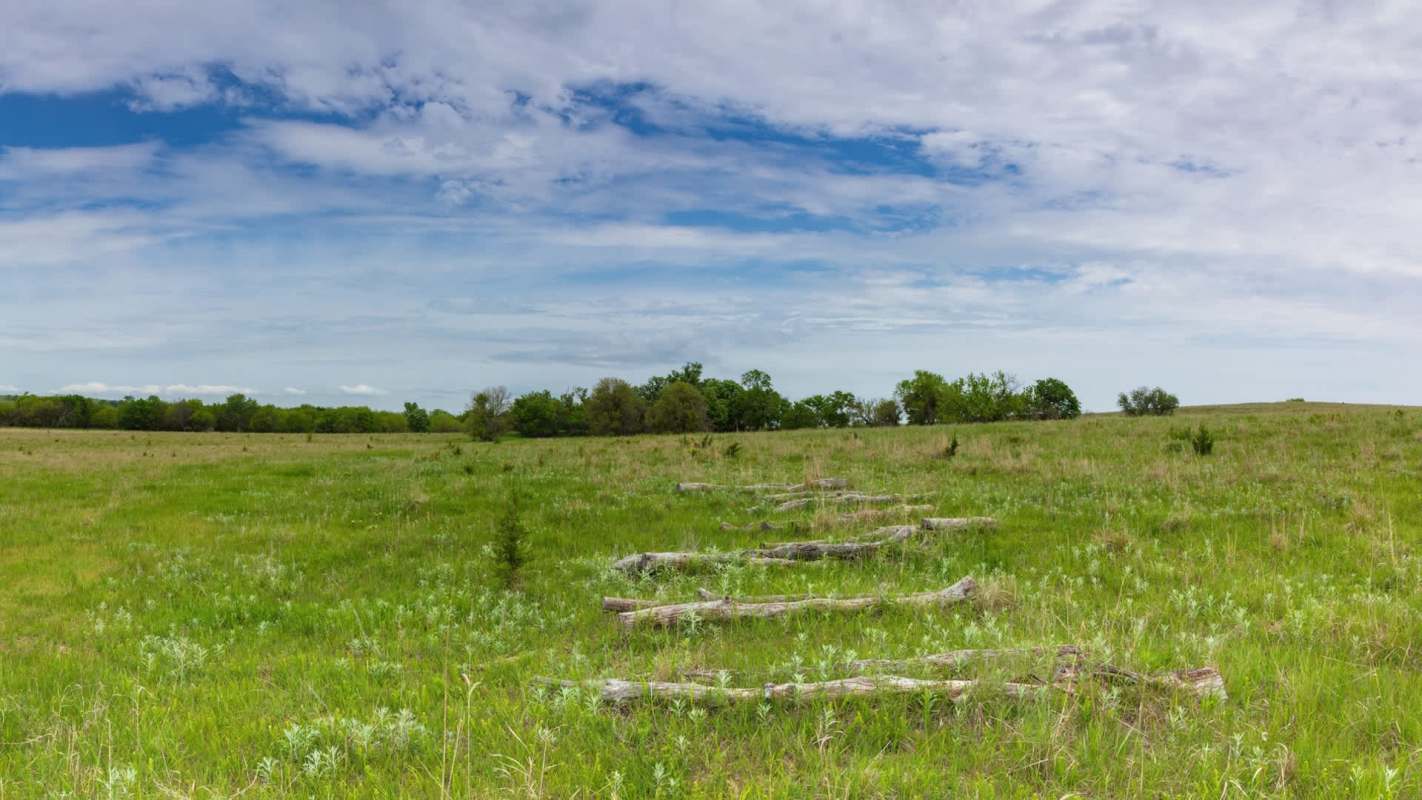
Construction on a revolutionary new kind of nuclear power plant is underway in Kansas. According to KCUR, an NPR affiliate, startup Deep Fission plans to install a small nuclear reactor a mile underground in the town of Parsons.
The mini nuclear plant will be located at the Great Plains Industrial Park — the former site of the Kansas Army Ammunition Plant. It aims to attract data centers and other energy-intensive industries.
Data centers in particular consume massive amounts of energy, often driving up energy costs for nearby residents. Bearing that in mind, this plan hopes to keep the public involved. Deep Fission's CEO, Liz Muller, told KCUR that there will be many ways for people to speak their minds, especially concerning public utility prices.
Data centers also use astronomical amounts of water for cooling the servers. Deep Fission, however, reportedly has a partnership with Endeavor, the parent company of Edged. Edged makes waterless data centers, so overconsumption of water likely won't be an issue.
On top of that, Muller said that the radioactive waste would stay under "billions of tons of rock." The company is certain that the surrounding groundwater supply will stay completely safe.
In a press release, Deep Fission stated that Parsons offers the opportunity to "potentially grow the Park for decades to come."
Muller founded Deep Fission in 2023 with her father, University of California, Berkeley professor emeritus of physics Rich Muller. The idea behind the company is to drill 30-inch-wide, mile-deep holes and place small nuclear reactors at the bottom. Water will be placed in the holes, where it will turn to steam and rise to turn turbines, generating energy. The water will then cool and return to the hole for reuse.
If the holes are bored deeper than one mile, a reactor could be sealed off when it expires. Another reactor could then be installed on top of it.
Each reactor is designed to generate power for two to seven years. And according to Liz Muller, it will generate enough energy to power about 10,000 homes.
Although nuclear fission isn't considered clean energy, it's certainly cleaner than traditional dirty sources of energy generation like coal or gas. The process of fission works by splitting atoms, creating massive amounts of energy. It also unfortunately releases radiation and long-lived nuclear waste that needs to be handled and stored incredibly carefully.
TCD Picks » Upway Spotlight
💡Upway makes it easy to find discounts of up to 60% on premium e-bike brands





|
How would you feel about a nuclear power plant being built near your home? Click your choice to see results and speak your mind. |
 I'd be excited 😀
 Despite this, nuclear doesn't create the same planet-overheating pollution as coal power plants. That makes nuclear a better, more affordable option that could also lead to cleaner air.
Deep Fission hopes to have the reactor up and running by July 4 of this year. After hopefully demonstrating the reactor's viability for commercial use, the reactor plans to expand operations.

Get TCD's free newsletters for easy tips to save more, waste less, and make smarter choices — and earn up to $5,000 toward clean upgrades in TCD's exclusive Rewards Club.
Cool Picks





