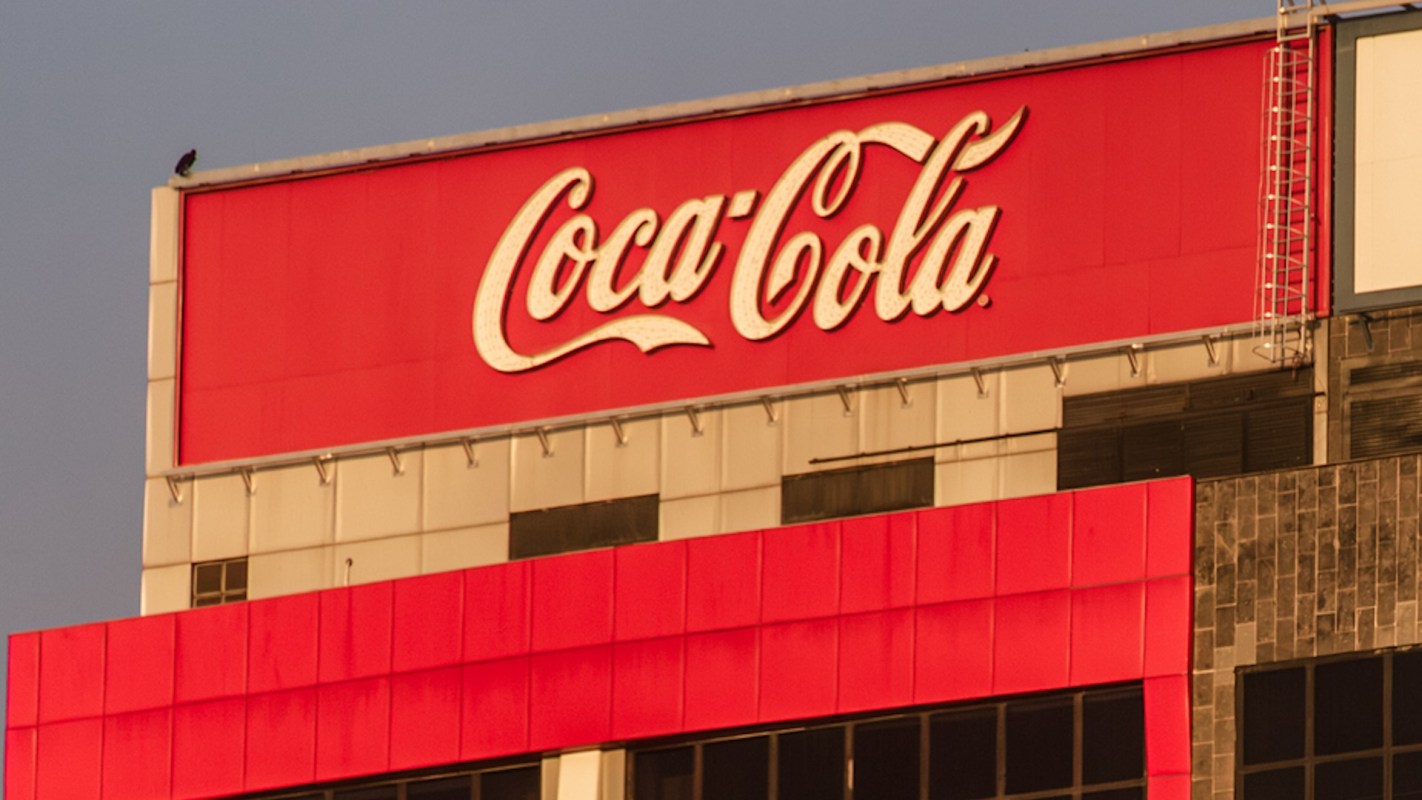
Coca-Cola has taken a step toward reshaping how one of the world's biggest beverage companies powers its operations, potentially signaling meaningful progress for communities where it operates.
In a recent announcement, Coca-Cola Argentina said it has entered a five-year renewable-energy agreement with Genneia, the country's largest clean energy producer. Under the deal, Coca-Cola's concentrate plant in Buenos Aires and its storage center in Ezeiza will receive electricity generated from wind and solar power, replacing nearly 80% of the facilities' annual energy consumption.
The energy will be delivered through Argentina's MATER renewable energy market and is officially certified as clean and low-impact.
For people living and working near these facilities, the shift could have major implications.
Moving large industrial operations away from fossil fuels can help reduce local air pollution, improve public health outcomes, and support a more resilient energy grid. It also helps accelerate demand for renewable infrastructure across Argentina, creating jobs and encouraging further investment in wind and solar projects nationwide.
The move aligns with Coca-Cola's broader global decarbonization strategy, which aims to achieve net-zero emissions by 2050 and a 25% reduction in absolute greenhouse gas emissions by 2030 compared to 2015 levels.
From a consumer perspective, these kinds of energy transitions can help stabilize supply chains and reduce exposure to huge swings in fossil fuel prices. As a result, this could make Coke in the region more affordable.
TCD Picks » Upway Spotlight
💡Upway makes it easy to find discounts of up to 60% on premium e-bike brands





This move also reflects the growing pressure from customers who want major brands to take visible steps toward a cleaner future.
Leonardo García, the general manager for Coca-Cola in Argentina and Uruguay, said, "Every decision we make generates a positive impact on people and the planet."
It's important to consider this statement and this news in context. Coca-Cola has a long way to go to mitigate its massive environmental footprint. The company has repeatedly been identified as the world's leading producer of branded plastic waste. Past reporting has also highlighted both progress and shortcomings in areas such as packaging, including the transition away from plastic rings in some markets.
|
Should companies be required to help recycle their own products?
Click your choice to see results and speak your mind. |
 Definitely 👍
Get TCD's free newsletters for easy tips to save more, waste less, and make smarter choices — and earn up to $5,000 toward clean upgrades in TCD's exclusive Rewards Club.
TCD Picks » Quince Spotlight
💡These best-sellers from Quince deliver affordable, sustainable luxury for all




Cool Picks