


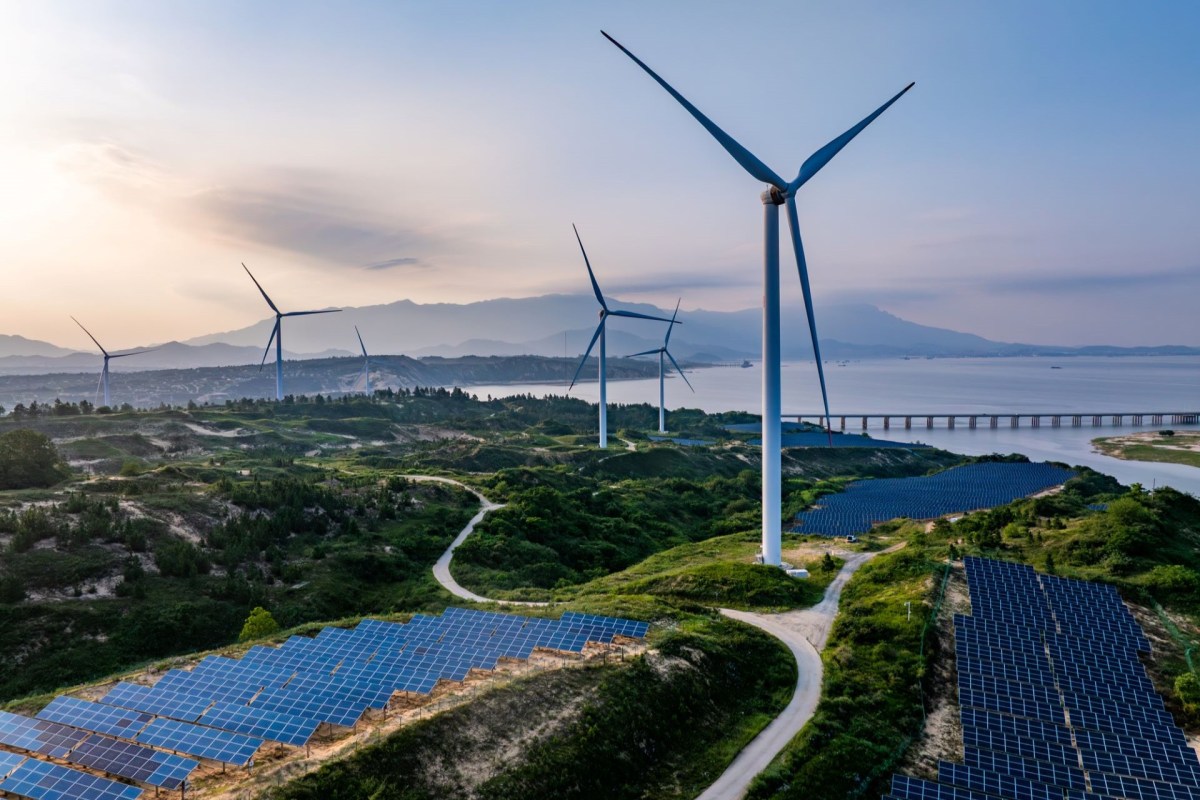
China is looking to leverage its growing abundance of renewable electricity to produce green hydrogen, according to Reuters.
China's National Energy Administration recently released its five-year plan, which included ways for provinces to use excess renewable energy. During peak production, renewable sources like wind and solar can sometimes produce more electricity than the grid can handle.
Outputs like green hydrogen generation can put that excess power to good use. The National Energy Administration's plan also pointed to green ammonia, green methanol, and sustainable aviation fuel as other uses for surplus renewable energy. Like green hydrogen, they can also be used to cut transportation pollution.
China has already started building production facilities that tightly link renewable energy with hydrogen. Meanwhile, Chinese researchers have been able to tap into water vapor as a green hydrogen source.
Burning coal, oil, and gas are the biggest sources of atmospheric pollution, but hydrogen's sustainability depends entirely on how it's made. Hydrogen needs energy to be separated from water. If that energy comes from fossil fuel sources, the resulting hydrogen embodies that pollution, even if using hydrogen doesn't directly produce harmful by-products.
China is the world's largest polluter, thanks in no small part to its reliance on coal power. However, it has also deployed the most solar energy in the world. It's no slouch when it comes to wind power, either. The more it can reliably transition to green energy sources, the sooner it can replace dirty power like coal.
Grid-scale energy emissions are contributing to atmospheric pollution, which exacerbates destructive weather patterns and affects China directly. The country has weathered increasingly severe floods, droughts, and storms like many others, and borne the costs that go with them.
With concerted, long-term effort toward building green energy infrastructure, China may be able to simultaneously address massive energy grid needs while also producing sustainable alternative fuels for commercial transportation.
|
Should the U.S. be investing more in battery production to catch up with China?
Click your choice to see results and speak your mind. |
 Absolutely 📈
Get TCD's free newsletters for easy tips to save more, waste less, and make smarter choices — and earn up to $5,000 toward clean upgrades in TCD's exclusive Rewards Club.
Cool Picks





