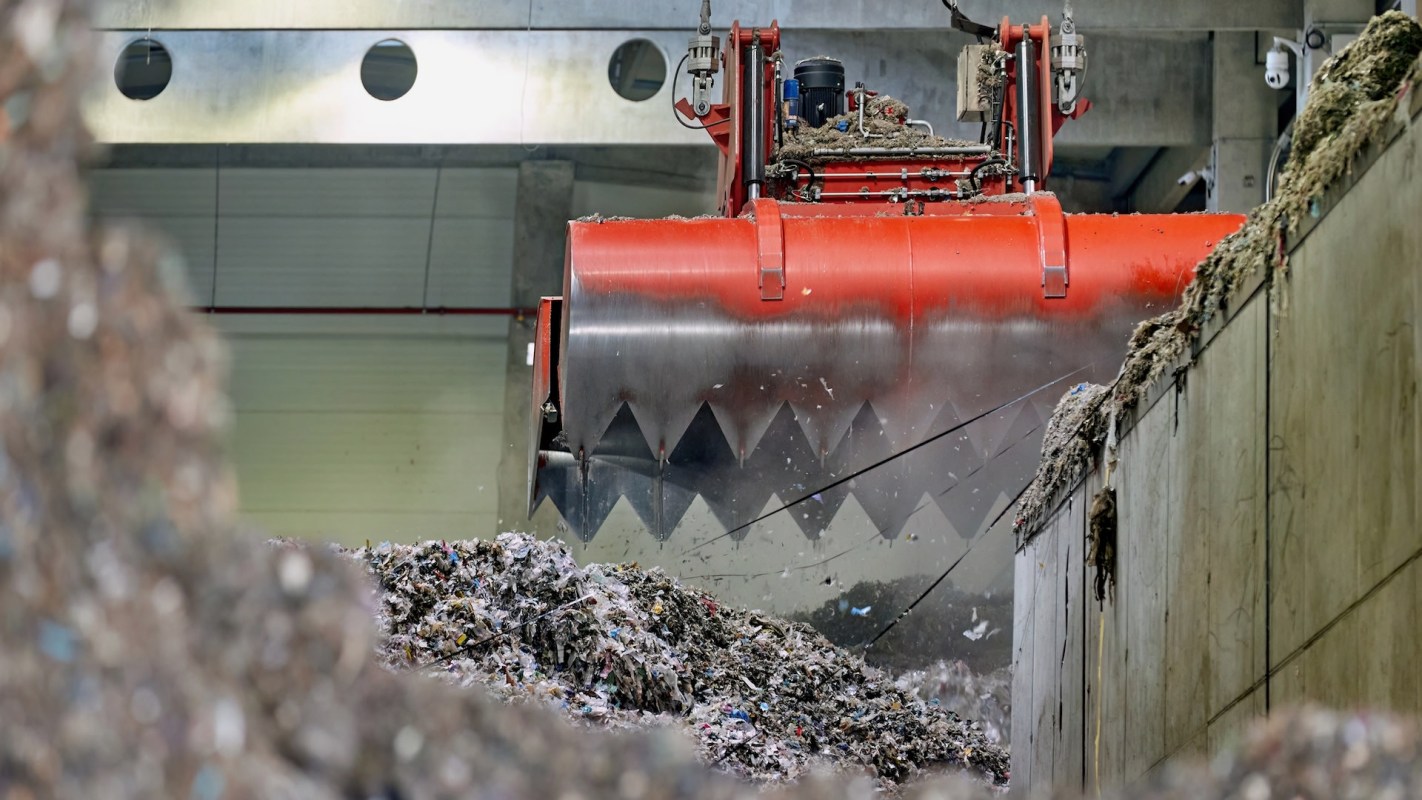
A growing number of countries are burning garbage, including large amounts of plastic, to generate energy, but experts warn the practice may cause more harm than good, reported Mongabay.
What's happening?
Refuse-derived fuel, or RDF, converts municipal waste into a fuel that can be burned for energy. About half of what goes into RDF is plastic, with the rest comprised of wood bits, paper products, and cloth. After workers dry and shred everything, the product is burned at facilities such as concrete factories, power plants, and industrial sites.
Sales of this fuel are projected to reach $11.7 billion by 2035, up from $5.4 billion in 2025. Most production is currently in Europe, though Asia-Pacific nations are quickly catching up.
"The problem … is that there are very few studies looking at the actual emissions," said Janek Vähk, the zero pollution policy manager at Zero Waste Europe.
Why is burning waste for fuel concerning?
Supporters claim RDF reduces landfill waste and produces cleaner energy than coal or oil. But critics point to serious problems with this logic.
When plastics burn, they release dioxins. These rank among the deadliest human-made contaminants. Research has found elevated dioxin levels in eggs laid by hens living near sites where plastic waste is incinerated. These pollutants have been linked to cancerous tumors, cardiovascular problems, and disrupted hormones.
TCD Picks » Upway Spotlight
💡Upway makes it easy to find discounts of up to 60% on premium e-bike brands




"Our concerns about [RDF] relate to the fact that plastic consists of polymers that are mixed with many, many different chemicals," said Lee Bell, technical and policy adviser at the International Pollutants Elimination Network.
Plastics contain over 4,000 chemicals known to be hazardous. Problems with fertility, harm to unborn babies, and difficulty carrying pregnancies to term have all been connected to some of these substances.
A plant in North Jakarta, Indonesia, was constructed to handle 2,500 metric tons of trash daily. Testing was halted after neighbors complained about foul odors and expressed concern about what they were breathing.
What's being done about burning waste for fuel?
Australia now requires special permits for RDF shipments and monitors their destinations. Advocacy groups demand similar tracking worldwide.
TCD Picks » Quince Spotlight
💡These best-sellers from Quince deliver affordable, sustainable luxury for all




|
Do you think America has a plastic waste problem? Click your choice to see results and speak your mind. |
 Definitely 👍
 The International Pollutants Elimination Network wants RDF classified with its own tracking codes under international treaties governing cross-border shipments. A June 2026 meeting could take this proposal into consideration.
If you want to support these efforts, contact your elected officials and voice your support for stronger rules on waste exports and industrial pollution monitoring.

Get TCD's free newsletters for easy tips to save more, waste less, and make smarter choices — and earn up to $5,000 toward clean upgrades in TCD's exclusive Rewards Club.
Cool Picks