


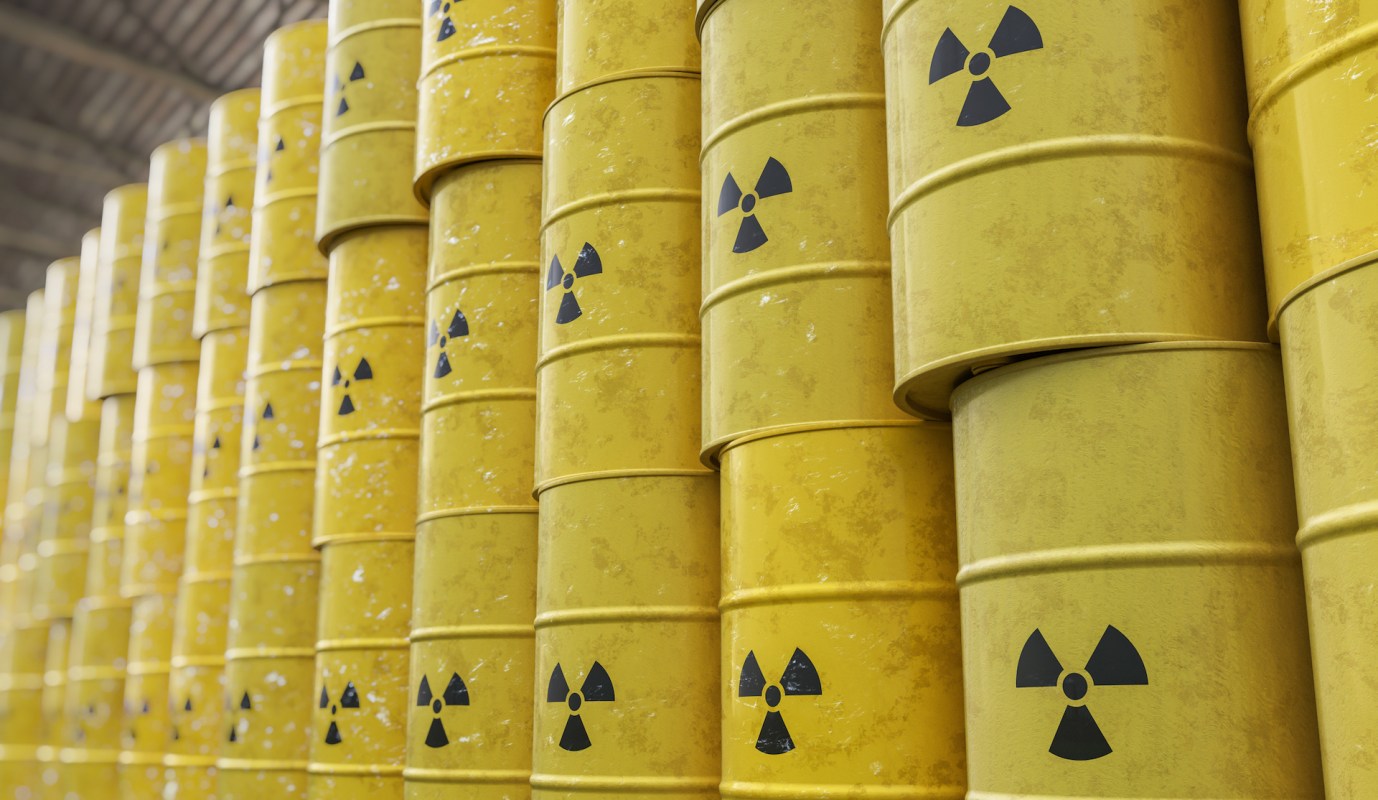
Bulgaria is making strides toward safe, permanent disposal of its nuclear waste.
The country has completed construction of the first phase of its repository for low- and intermediate-level radioactive waste, according to BNT and fakti.bg. Officials said that the site will become operational in the next two years.
The facility contains hundreds of concrete cubes waiting to be filled with radioactive waste before they are permanently sealed and kept under tight control for 300 years.
While the project is a step toward ensuring that Bulgarians are safe from certain types of radioactivity, the country has not yet finalized a long-term storage solution for other, more potent forms of radioactive waste generated by nuclear power plants.
Nuclear reactors generate electricity by splitting uranium atoms to release their energy. The heat that the atoms release then boils water into steam, which fuels a turbine that generates electricity.
This method of energy production does not emit planet-warming gases such as carbon dioxide. It is also capable of generating enormous amounts of energy — the two operating reactors at Bulgaria's Kozloduy nuclear power plant generate about one-third of the country's electricity supply, according to the nuclear industry publication SpentFUEL.
Perk up the winter blues with natural, hemp-derived gummies Camino's hemp-derived gummies naturally support balance and recovery without disrupting your routine, so you can enjoy reliable, consistent dosing without guesswork or habit-forming ingredients. Flavors like sparkling pear for social events and tropical-burst for recovery deliver a sophisticated, elevated taste experience — and orchard peach for balance offers everyday support for managing stress while staying clear-headed and elevated.
Learn more → |

Nuclear fission is nearly 8,000 times more efficient at producing energy than fossil fuels, but its drawbacks include the possibility of devastating nuclear meltdowns and the difficulty of disposing of the waste it produces.
Nuclear power plants produce several types of radioactive waste, which can take thousands of years to become inert. Spent fuel becomes high-level waste, meaning that it can "produce fatal radiation doses during short periods of direct exposure," as the Nuclear Regulatory Commission noted.
Intermediate-level waste is less radioactive than high-level waste and includes materials such as chemical sludges and contaminated materials from the decommissioning of nuclear reactors, according to the World Nuclear Association. Low-level waste, the least radioactive type, includes items such as paper and rags with low levels of short-lived radioactivity.
The planned disposal center in Bulgaria is designed only to accommodate low- and intermediate-level waste, leaving authorities to grapple with the disposal of high-level waste from the four units of the Kozloduy nuclear plant that are no longer in operation.
TCD Picks » Upway Spotlight
💡Upway makes it easy to find discounts of up to 60% on premium e-bike brands




However, Nikolay Grozev of the Nuclear Regulatory Agency said that spent fuel from the reactor was safely being stored on the site of the power plant. "From a radiological and nuclear safety perspective, the fuel is secure and poses no danger," he said, per BNT.
|
Would you feel safe living close to a nuclear power plant? Click your choice to see results and speak your mind. |
 Absolutely ✅
💰Get TCD's free newsletters for easy tips to save more, waste less, and make smarter choices — and earn up to $5,000 toward clean upgrades in TCD's exclusive Rewards Club.
Cool Picks





