


Oil companies have poured over $180 billion into building new plastic manufacturing sites across the U.S. since 2010 — all the while telling consumers their reusable bags and water bottles could fix the problem, reported the Guardian.
What's happening?
In her new book, "Plastic Inc: Big Oil, Big Money and the Plan to Trash Our Future," journalist Beth Gardiner traced how the oil and gas industry has bet big on plastic as a way to keep profiting as the world inches toward cleaner energy.
The amount of plastic being produced has grown twofold in just 20 years, and it's on pace to double or triple again. The petrochemical ingredients in plastic are on track to become the No. 1 source of oil demand in the years ahead.
"It was just such a shock," Gardiner told the Guardian, describing the moment she grasped the scale of industry investment.
For decades, plastic makers have worked to pin the blame for the waste problem on individual consumers, funding campaigns like Keep America Beautiful in the late 1950s and selling recycling as a fix. Industry records dating to the 1970s show executives knew that recycling plastic at scale was impractical and costly.
"They pushed so many myths and lies about recycling," Gardiner said, per the Guardian.
Why is Big Oil's plastic expansion concerning?
Making plastic doesn't just create waste; it poisons the people living near production facilities.
Communities close to these plants face higher rates of cancer, heart disease, and respiratory illness from toxic chemical exposure. These operations are disproportionately sited in low-income neighborhoods.
Burning dirty energy drives extreme weather that destroys homes and upends local economies. Air and water pollution from drilling and refining leads to asthma, cancer, and premature death.
Corporations pocket record profits and spend millions lobbying against cleaner, cheaper energy options that would lower costs for everyday families.
TCD Picks » Upway Spotlight
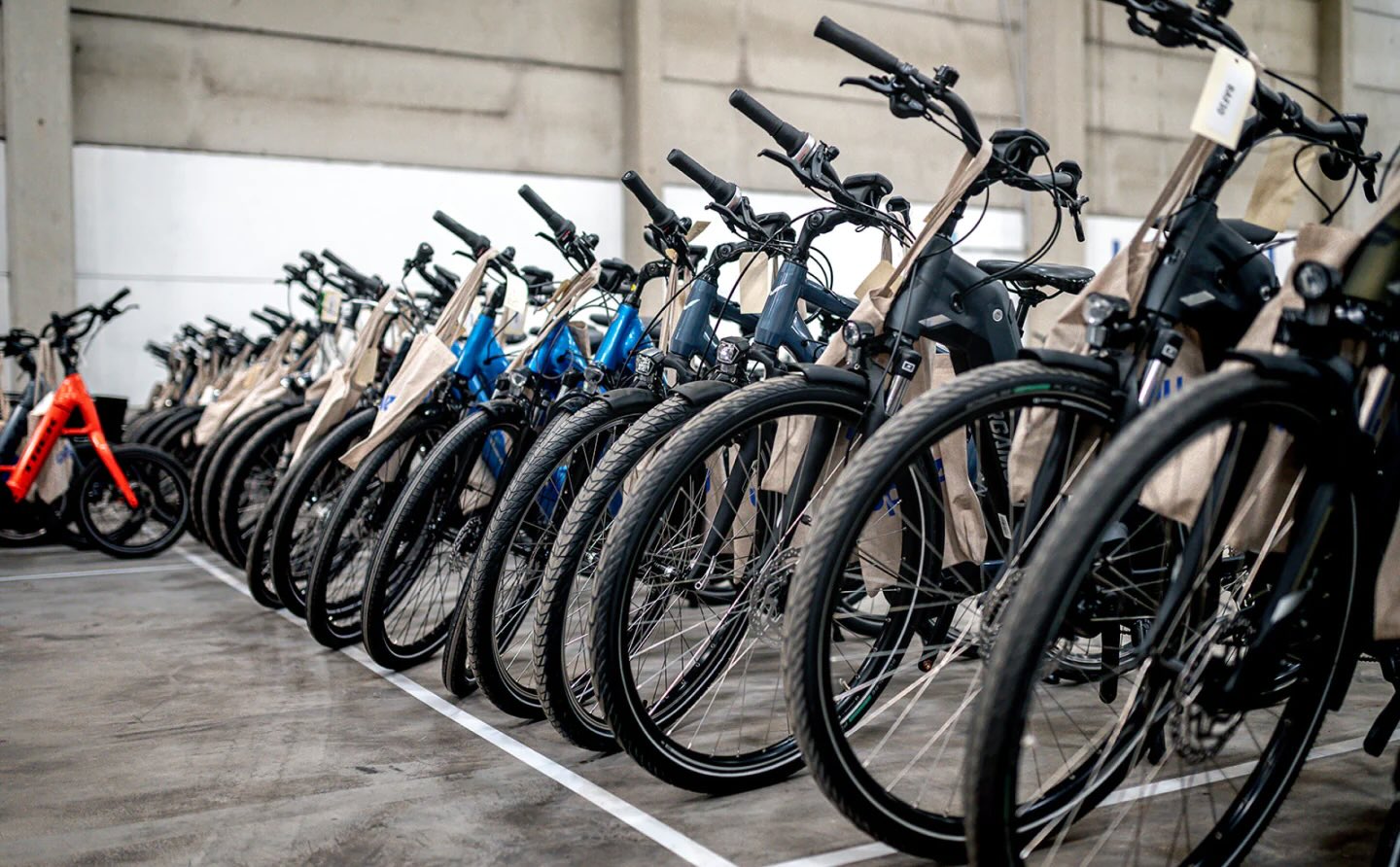
💡Upway makes it easy to find discounts of up to 60% on premium e-bike brands




|
Which of these savings plans for rooftop solar panels would be most appealing for you?
Click your choice to see results and speak your mind. |
 Save $1,000 this year 💸
 Tiny plastic particles that form as the material deteriorates have turned up in oceans, on mountaintops, and inside human bodies. Chemicals found in plastic products have been tied to hormonal disruption, cardiovascular problems, and cancer.
What's being done about Big Oil's plastic expansion?
Governments are starting to respond. California broadened its plastic bag restrictions, now also covering the thicker "bag for life" versions, and new laws in some states shift cleanup costs from taxpayers to the companies that produce the products. The European Union has moved ahead with limits on single-use plastics and tighter chemical rules.
Globally, countries including China and Indonesia have stopped accepting plastic waste imports, forcing wealthier nations to deal with their own trash.
Gardiner said that individual choices, like carrying a reusable bottle, matter, but real progress comes through political action. Contact your elected officials and voice support for laws that hold plastic producers accountable. Push for policies that phase out unnecessary single-use packaging and invest in reuse infrastructure.

Get TCD's free newsletters for easy tips to save more, waste less, and make smarter choices — and earn up to $5,000 toward clean upgrades in TCD's exclusive Rewards Club.
Cool Picks





