


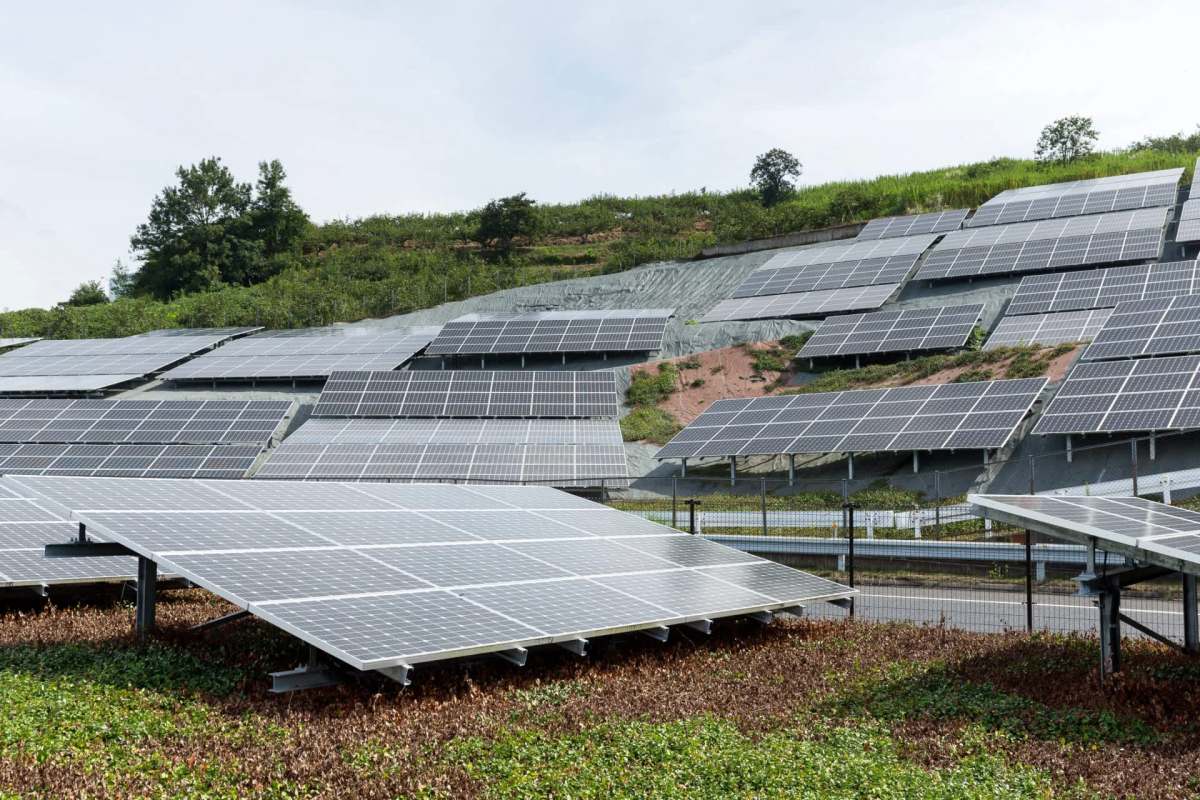
While many Americans want to benefit from the savings from solar power, the "Big Beautiful Bill" has put a time crunch on things that's having a rippling effect.
According to EnergySage, an expert in the rooftop solar industry, "the 30% residential solar tax credit ends completely after December 31, 2025." Commercial projects also have to be in service by the end of 2027, if construction starts after June 2026, to qualify for the tax credit.
What's happening?
There is a workaround for companies called safe harboring, allowing "commercial developers to lock in current tax credit rates by either breaking ground on projects or investing at least 5% of project costs in equipment," per EnergySage.
Companies are now stockpiling various components, including panels and inverters, that are available for residential installers. The current administration also signed an executive order restricting safe harboring. An unspecified amount of the project has to be built to get the tax credit, and the Secretary of the Treasury has until mid-August to decide how much.
It's causing panic buying at a time when residents have until the end of the year to install their solar panels to earn the tax credit.
Per EnergySage, BayWa r.e. VP said, "It's legitimately fear-inducing. We should not be leveraging incentives to create a problem for ourselves that prevents us from deploying solar."
Why are solar panels important?
The "Big Beautiful Bill" and executive order haven't given homeowners much time to install solar panels to reap the benefits. Investing in solar can help you save $1,500 a year on your energy bills. Until the end of 2025, you can still get tax credits with the Inflation Reduction Act.
Solar panels are also better for the environment. According to the U.S. Energy Information Administration, solar panels don't produce polluting gases like dirty energy sources do. They also help lessen society's reliance on dirty energy sources.
Save $10,000 on solar panels without even sharing your phone number Want to go solar but not sure who to trust? EnergySage has your back with free and transparent quotes from fully vetted providers that can help you save as much as $10k on installation. To get started, just answer a few questions about your home — no phone number required. Within a day or two, EnergySage will email you the best local options for your needs, and their expert advisers can help you compare quotes and pick a winner. |

The gases warm the planet and contribute to the increase in extreme weather events.
What's being done about access to solar panel installation?
EnergySage offers a simple and free tool you can use to search for providers in your area and compare prices. The energy company can even help you save up to $10,000 on installation.
|
If you don't have solar panels on your home, which of these factors is the biggest barrier to installing them? Click your choice to see results and speak your mind. |
 Upfront costs 💰
 Additionally, EnergySage provides a mapping tool to show you how much solar panels and installation cost state-by-state, and what incentives are available for each state. More states are even creating state incentives for solar, including Minnesota.
Since Congress has eliminated the Investment Tax Credit by the end of this year, it's important to act fast to cash in on incentives and claim the 30% tax credit. Getting your solar installation started by the end of the year could save you thousands of dollars.
More From EnergySage
💡Go deep on the latest news and trends shaping the residential solar landscape




Join our free newsletter for good news and useful tips, and don't miss this cool list of easy ways to help yourself while helping the planet.
Cool Picks



