


The Indonesian government has launched legal action against six companies it says helped fuel one of the deadliest environmental disasters in the country's recent history. Officials and advocates say it's a potential turning point for accountability.
What's happening?
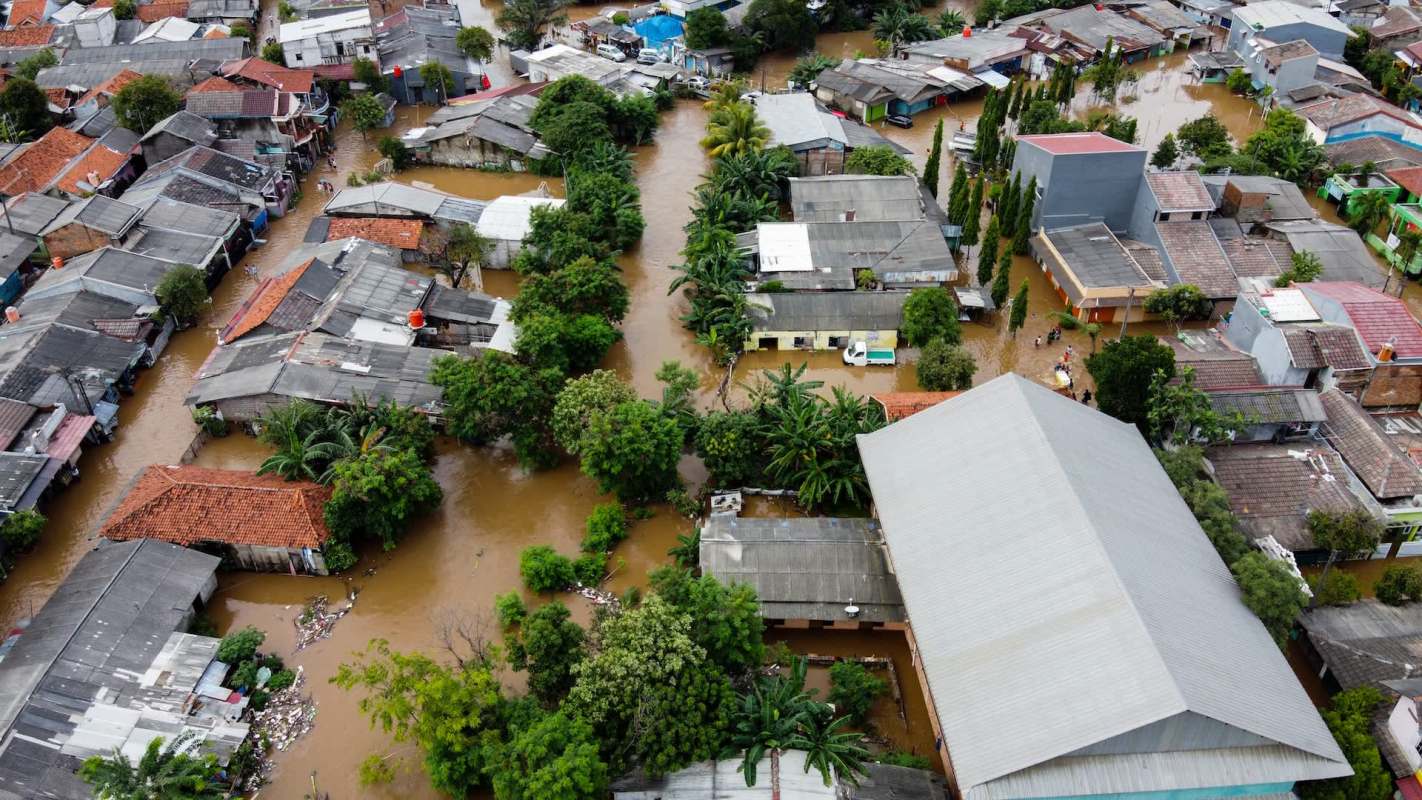
Mongabay reported in January that Indonesia's environment ministry filed civil lawsuits against six companies operating in North Sumatra. Officials are seeking 4.8 trillion rupiah (about $284 million) in damages and restoration costs following the deadly floods and landslides that followed Cyclone Senyar in late 2025. They believe that industrial operations could have destabilized the lands prior to the devastating storm, which killed more than 1,100 people across Sumatra.
In the aftermath of Senyar, investigators examined corporate activity in areas linked to the flooding and found alleged environmental damage tied to the clearing of over 2,500 hectares (over 6,170 acres) of rainforest.
Officials say the companies — which operate across gold mining, hydropower, palm oil, and industrial timber plantations — may have destabilized ecologically fragile landscapes with their activities. Satellite imagery and field investigations show deforestation, exposed soil, altered drainage patterns, and landslides occurring near company infrastructure shortly after the storm.
"This represents the companies' responsibility for ecosystem damage that has directly affected public safety, livelihoods, and the environment," Rizal Irawan, head of the ministry's law enforcement department, said during a press conference, per Mongabay.
Why is this lawsuit important?
The lawsuits center on the Batang Toru ecosystem, one of Indonesia's most biologically important regions and the habitat of the Tapanuli orangutan, the world's rarest great ape. The area's steep slopes and intact forests have acted as natural buffers, slowing runoff and reducing landslide risks during heavy rains.
But when forests are cleared, soil can lose its ability to absorb water. That increases erosion, accelerates runoff, and can make floods and landslides more severe, putting nearby communities in harm's way. Critics argue that industrial expansion weakened the region's natural defenses just as extreme weather hit.
The case highlights the potential for land-use decisions to not only impact wildlife but also amplify disasters that cost human lives, destroy homes, and wipe out livelihoods.
What's being done to protect the Batang Toru rainforest?
The lawsuits are seeking both financial compensation for environmental damage already caused and funding to help restore the ecosystem. It's another example of attempts to hold companies accountable for the harm they cause, rather than treating related disasters as unavoidable acts of nature. Other companies have been met with legal action over "forever chemical" pollution and improper recycling management.
The Indonesian government has also halted industrial operations in the region while investigations continue, and officials say additional companies could still face civil or criminal action.
TCD Picks » Upway Spotlight
💡Upway makes it easy to find discounts of up to 60% on premium e-bike brands



|
What's the most you'd pay per month to put solar panels on your roof if there was no down payment?
Click your choice to see results and speak your mind. |
 $200 or more 💰
 Environmental advocates view the move as a test case. "This is a pivotal moment for the people and wildlife of the Batang Toru ecosystem," Amanda Hurowitz of Mighty Earth told Mongabay.
Hurowitz and other experts argue that lasting protection — including permanently ending deforestation in high-risk areas — will be critical to preventing future tragedies.
According to Reuters, Prabowo Subianto, the President of the Republic of Indonesia, revoked business permits from 28 firms suspected of ties to the flooding. Land seized from the 28 businesses is now under the management of a wealth fund as of late January.

Get TCD's free newsletters for easy tips to save more, waste less, and make smarter choices — and earn up to $5,000 toward clean upgrades in TCD's exclusive Rewards Club.
Cool Picks





