


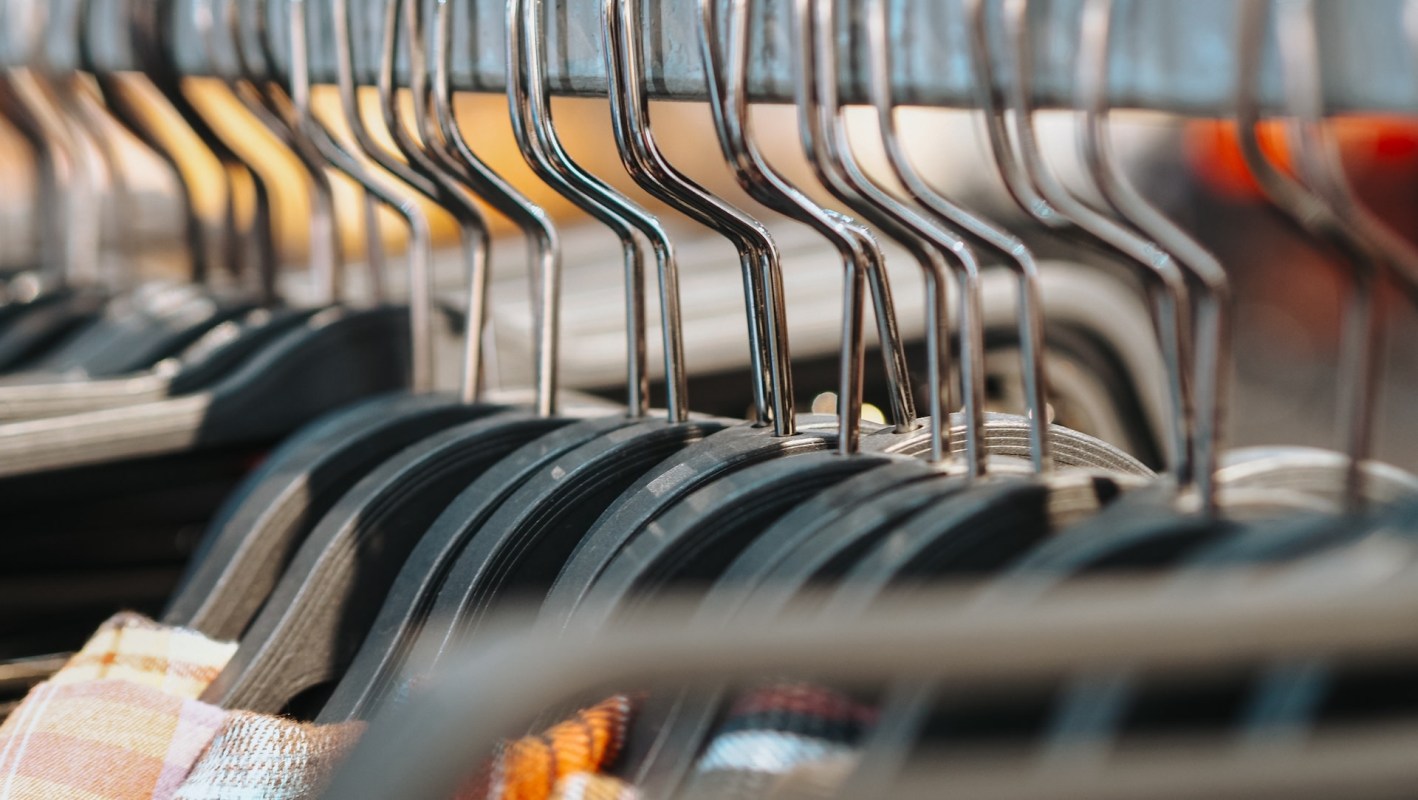
AZO Cleantech has reported that major cities in Australia are on track to reach landfill capacity by 2030 due to the influx of disposable goods from fast-fashion brands in the Australian market.
What's happening?
The increase of fast fashion brands and their cheap, disposable clothing has created what may soon be a crisis in landfills across Australia. Perth's landfill is likely to reach capacity in 2025, while Sydney's landfill is on track to be full by 2030, per AZO Cleantech.
In addition to the increased textile waste created by fast fashion are issues with individual consumer recycling. Wishcycling, or incorrect but well-intentioned recycling, occurs when confused consumers put incorrect materials in recycling bins. This results in contaminated batches, which then end up in landfills, AZO Cleantech reported. Currently, around 21% of recycled materials in Australia end up in landfills instead of being properly recycled.
Why is this concerning?
Fast fashion may be all the rage, but the negative effects of this industry are numerous.
Fast fashion clothing is often inexpensive, but that's only because companies intentionally design this clothing to fall apart sooner rather than later. This quick breakdown of clothing forces consumers to purchase new items regularly, resulting in higher costs over time and increased profits for fast fashion brands.
Because consumers often toss fast fashion clothing into the garbage bin, the fast fashion industry generates a monumental amount of textile waste each year. Not only does this mean landfills run out of space more quickly, but it also means chemicals and microplastics leach into the soil, water, and air as these products degrade.
Then, there's the matter of landfills running out of room. When this happens, a city's garbage must find a new home before it starts piling up in and contaminating public spaces.
What's being done about Australian landfills?
The Australian government will soon pass mandatory packaging regulations, according to AZO Cleantech. These regulations will require all businesses trading in the country to comply with sustainability standards, in an effort to reduce waste going to landfills. Most likely, these standards will require all packaging to be either compostable or recyclable, with specific requirements for packaging being created from recycled content. The new regulations will also likely ban harmful chemicals in packaging.
Companies trading in Australia will need to overhaul the entire way they package products to comply with these standards, or else they'll be charged a fine based on how their packaging impacts the environment.
Mike Twemlow, senior sustainability manager at Edge Impact, a leading sustainability consulting firm, told AZO Cleantech: "The government is done waiting, it's only a matter of time before the compliance crackdowns are here."
TCD Picks » Quince Spotlight
💡These best-sellers from Quince deliver affordable, sustainable luxury for all




|
What should America do to fight plastic pollution?
Click your choice to see results and speak your mind. |
 Stricter regulations on companies 🏛️
Join our free newsletter for good news and useful tips, and don't miss this cool list of easy ways to help yourself while helping the planet.
Cool Picks





