


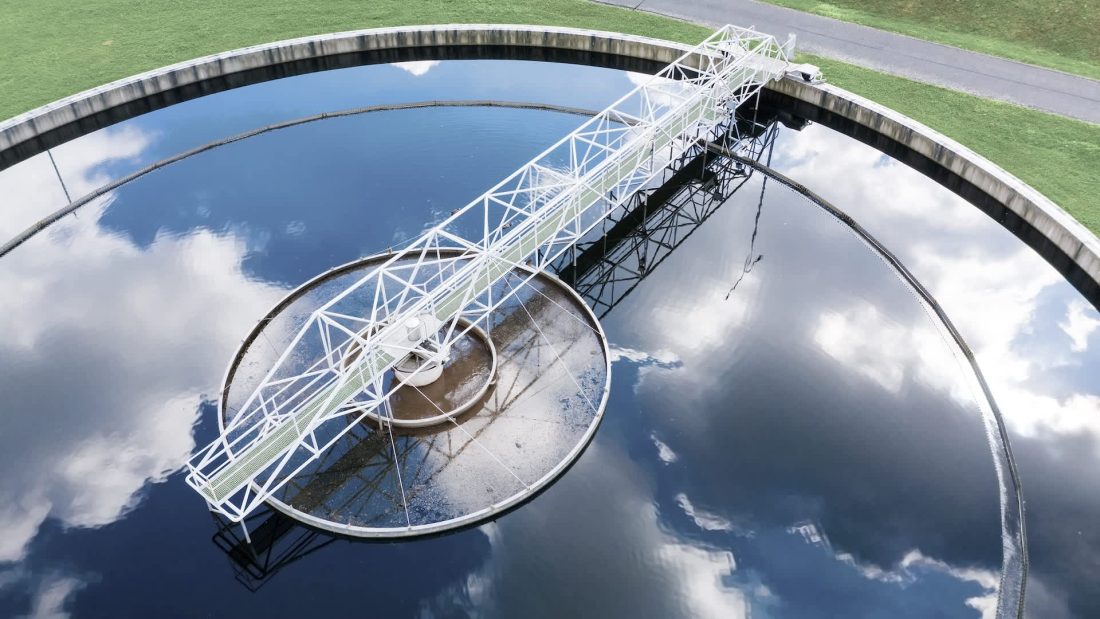
A North Carolina community is livid as its city allegedly refuses to control discharges of a toxic chemical into its drinking water.
What's happening?
Community members in Asheboro, North Carolina, spoke out at a recent Environmental Protection Agency hearing about the town's 1,4-dioxane problem, Inside Climate News reported.
This industrial solvent and likely human carcinogen is being dumped into the Upper Cape Fear River Basin by the city's wastewater treatment plant, polluting the drinking water of 900,000 people downstream. ICN added that research has found that the state has some of the highest levels of 1,4-dioxane in the country.
While some local towns have taken action to reduce their 1,4-dioxane discharges, Asheboro community members and activists say Asheboro has refused. Previously, the city challenged the North Carolina Department of Environmental Quality's authority to include a 1,4-dioxane water quality limit in its wastewater permit. While a state administrative judge voided this limitation, the EPA sent an objection letter supporting the state's permit and inviting anyone to request a public hearing.
"Our community has been and remains a target," Casey Dixon, who lives in Sanford, a community downstream from Asheboro, said during the hearing, per ICN. "While this hearing might be one evening for you, it's the rest of my life."
Why is this contamination concerning?
Several federal agencies have determined that 1,4-dioxane is a probable human carcinogen. Exposure has also been associated with miscarriages and stillbirths, and there are concerns about breast milk transfer from mothers to infants.
North Carolinians aren't the only ones dealing with this chemical in their drinking water. In Florida, industrial activities around Orlando have led to 1,4-dioxane contamination in the local water supply, and one city is suing.
There is no federal maximum contaminant level for 1,4-dioxane. One recent study found that nearly a third of Americans are exposed to unregulated contaminants, including per- and polyfluoroalkyl substances, 1,4-dioxane, 1,1-dichloroethane, and chlorodifluoromethane, in their drinking water.
What's being done about water contamination?
The source of Asheboro's 1,4-dioxane problem, manufacturer StarPet, has installed a pretreatment system to reduce the amount of this chemical that gets sent to the wastewater treatment plant. However, ICN reported that this system frequently fails or is shut down for maintenance.
Meanwhile, scientists are making advances in the cleanup of another water contaminant: PFAS, also known as forever chemicals. For instance, researchers at the University of Illinois found a way to remove the full spectrum of PFAS from water in a single process.
TCD Picks » Quince Spotlight
💡These best-sellers from Quince deliver affordable, sustainable luxury for all




|
How would you describe the quality of your tap water? Click your choice to see results and speak your mind. |
 Great 👍
Get TCD's free newsletters for easy tips to save more, waste less, and make smarter choices — and earn up to $5,000 toward clean upgrades in TCD's exclusive Rewards Club.
Cool Picks





