


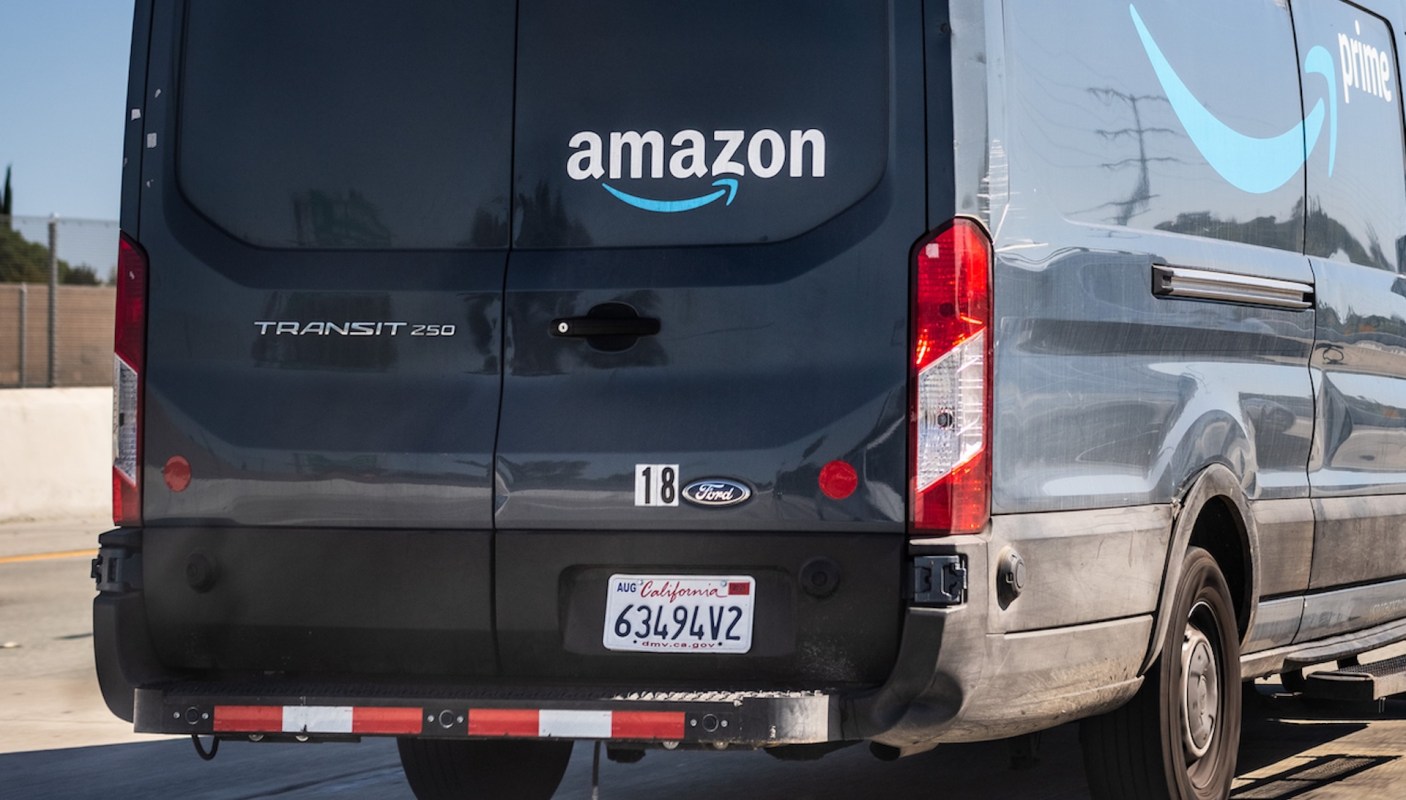
Amazon announced that it will invest $50 billion in new artificial intelligence and supercomputing capabilities for Amazon Web Services, specifically for use by U.S. government customers hoping to get a leg up in the global race for dominance in the sector.
What's happening?
A report by CNBC explained that this investment is expected to break ground this year and will add nearly 1.3 gigawatts of capacity across AWS Top Secret, AWS Secret, and AWS GovCloud regions.
As part of the deal, agencies will also get expanded access to a variety of AWS' comprehensive services to help them "develop custom AI solutions, optimize massive datasets, and enhance workforce productivity," an Amazon press release said.
"Our investment in purpose-built government AI and cloud infrastructure will fundamentally transform how federal agencies leverage supercomputing," said AWS CEO Matt Garman.
"We're giving agencies expanded access to advanced AI capabilities that will enable them to accelerate critical missions from cybersecurity to drug discovery. This investment removes the technology barriers that have held government back and further positions America to lead in the AI era," Garman added.
Why is this investment sparking concern?
The elephant in the room here is that the rapid expansion of data centers means that electrical grids will see additional strain — burning more polluting fuels in the process — while ratepayers are already shouldering part of the financial burden in accommodating these new energy-hungry structures.
The 1.3 gigawatts of computer power that's being added is "roughly enough to power about 750,000 U.S. households on average," a Reuters report noted.
Noman Bashir, a computer engineer at MIT, told Smithsonian Magazine that since data centers are such huge power consumers, they often disrupt the power grid, which can impact the lifespan of household appliances.
He added that a 2025 report by Dominion Energy found that residential electrical bills are projected to more than double by 2039, driven in large part by the expansion of data centers.
Hyperscale data centers average around 30,000 square feet but can reach sizes of over 1 million square feet. The largest projects are primarily being developed by technology companies like Amazon, Microsoft, and Google, Smithsonian Magazine explained.
TCD Picks » Quince Spotlight
💡These best-sellers from Quince deliver affordable, sustainable luxury for all




|
Should the government be paying us to upgrade our homes?
Click your choice to see results and speak your mind. |
 Definitely 💰
 While the impact on electrical grids is the most commonly discussed aspect of data center development, these massive projects also consume large amounts of local water supplies to cool them and can have additional environmental costs.
What's being done to deal with data center expansion?
While companies are racing to fuel the data center explosion, there's also a good deal of work being done to help power these operations more sustainably.
A deal with energy company Avangrid will help supply some of Amazon's data center operations with renewable solar power, and IBM forged a similar partnership for its Hursley, England, data center.
Over 230 organizations have also sent a letter to Congress calling for a temporary pause on further data center development, as public outcry has grown over the dangers they pose to area residents and the environment.

Get TCD's free newsletters for easy tips to save more, waste less, and make smarter choices — and earn up to $5,000 toward clean upgrades in TCD's exclusive Rewards Club.
Cool Picks





