


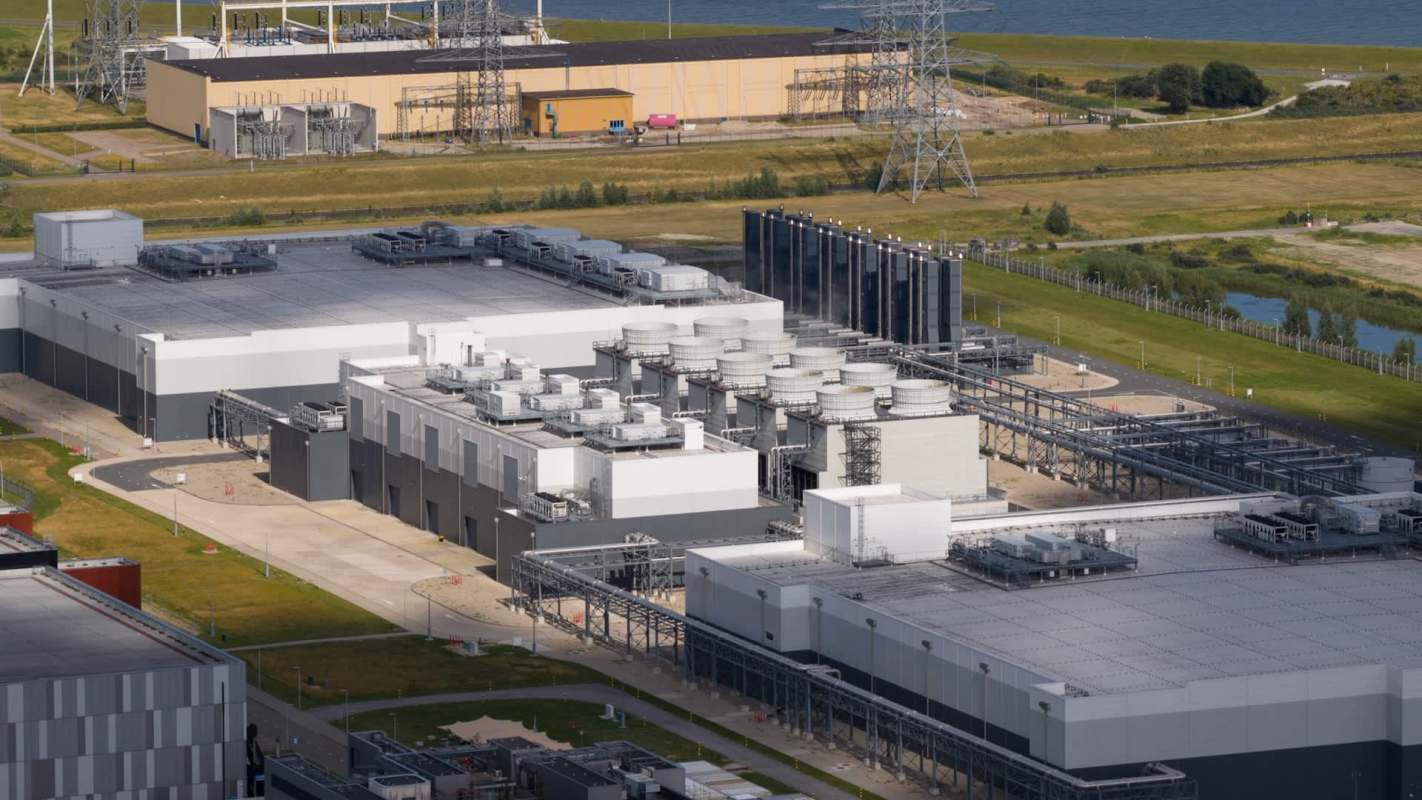
As artificial intelligence continues to reshape industries and accelerate innovation, a quieter crisis may be unfolding. Health and environmental advocates are warning that the data centers powering the AI boom may be releasing harmful "forever chemicals" into communities, The Guardian has reported. But concerningly little is known about the extent of their use in the industry or where they end up.
What's happening?
While experts across multiple disciplines and sectors have celebrated the promise of AI, perhaps just as many have warned against the consequences it may bring.
From an environmental perspective, the technology may be used to improve energy efficiency, monitor droughts, track deforestation, measure glacier loss, and manage food supplies. But its energy-hungry operations can also generate heat-trapping pollution when powered by fossil fuels or strain renewable supplies when powered by cleaner options — so there are important costs and benefits to weigh, particularly as the public calls for eco-friendlier AI and effective regulations.
Another known concern is that the data centers that power AI operations require cooling, largely achieved with huge amounts of water, which comes with its own environmental drawbacks. But now The Guardian has reported that data centers run by companies like Google, Microsoft, and Amazon are also using PFAS gas, or f-gas, for cooling purposes.
Not only could these gases leak into the air or enter the environment when equipment is thrown away or incinerated, but the use of these chemicals in a fast-growing industry also has the potential to contribute to production-related contamination. According to The Guardian, f-gas producer Chemours is "increasing production at its Parkersburg, West Virginia, and Fayetteville, North Carolina, plants" in response to data center needs.
As the industry grows and some companies say the risks are low, environmental advocates like Jonathan Kalmuss-Katz warn of looming threats. The Earthjustice attorney told The Guardian that "this issue has been dangerously understudied."
TCD Picks » Quince Spotlight
💡These best-sellers from Quince deliver affordable, sustainable luxury for all




Why is PFAS pollution concerning?
PFAS — short for "per- and polyfluoroalkyl substances" — are a class of synthetic chemicals also referred to as "forever chemicals" for their persistence in the human body and the environment. They don't break down well in either location, posing the potential for generational effects. Exposure has been linked to reproductive issues, cancers, and other serious conditions.
As data centers multiply to support growing AI systems, so could the health risks. Yet companies aren't required to report how much f-gas they use, and no regular testing is being done at data center sites.
Requirements for testing and tracking could be stymied by industry claims that "f-gas that escapes is not a threat because, once in the air, it turns into a compound called Tfa," which is not considered a PFAS in the United States, per The Guardian, even while it is understood as such in other countries.
It seems the Environmental Protection Agency could also present an obstacle to future regulations. The federal agency worried some when it announced in September that it would be fast-tracking chemical reviews to advance data center operations. "The Trump EPA wants to get out of the way and help speed up progress on these critical developments, as opposed to gumming up the works," said EPA administrator Lee Zeldin, according to Inside Climate News.
|
Do you worry about having toxic forever chemicals in your home?
Click your choice to see results and speak your mind. |
 Majorly 😥
 The outlet reported that the government plans "include what advocates said is unprecedented language that calls for the EPA to 'ease' and 'reduce' regulations." Maria Doa of the Environmental Defense Fund told Inside Climate, "The EPA said it is going to 'Get out of the way,' not 'The EPA is going to do a thorough but expedited review.'"
Doa added that a lack of effective regulations on data centers using potentially harmful chemicals could also impact the labor force at these centers and the plants that produce their equipment and supplies.
What's being done about it?
If companies aren't testing for f-gas levels and federal agencies end up overlooking threats, it may take a concerted effort from health experts and environmental advocates to bring about effective regulations as well as community awareness.
Some states, such as Minnesota, are already pushing for laws that would require tech companies to disclose their chemical use. Meanwhile, overall AI regulations are likely to emerge as a hot topic in the lead-up to the U.S. mid-term elections, and constituents may call on candidates to lay out their plans for protecting the public from the pollution and energy strain the industry could unleash.
Until stricter rules are in place, residents may continue to face unknown risks, with marginalized communities likely to experience hazards disproportionately. Research into evidence-backed solutions for cleaning up contamination and addressing health concerns associated with PFAS exposure will continue to be critical.

Join our free newsletter for good news and useful tips, and don't miss this cool list of easy ways to help yourself while helping the planet.






