


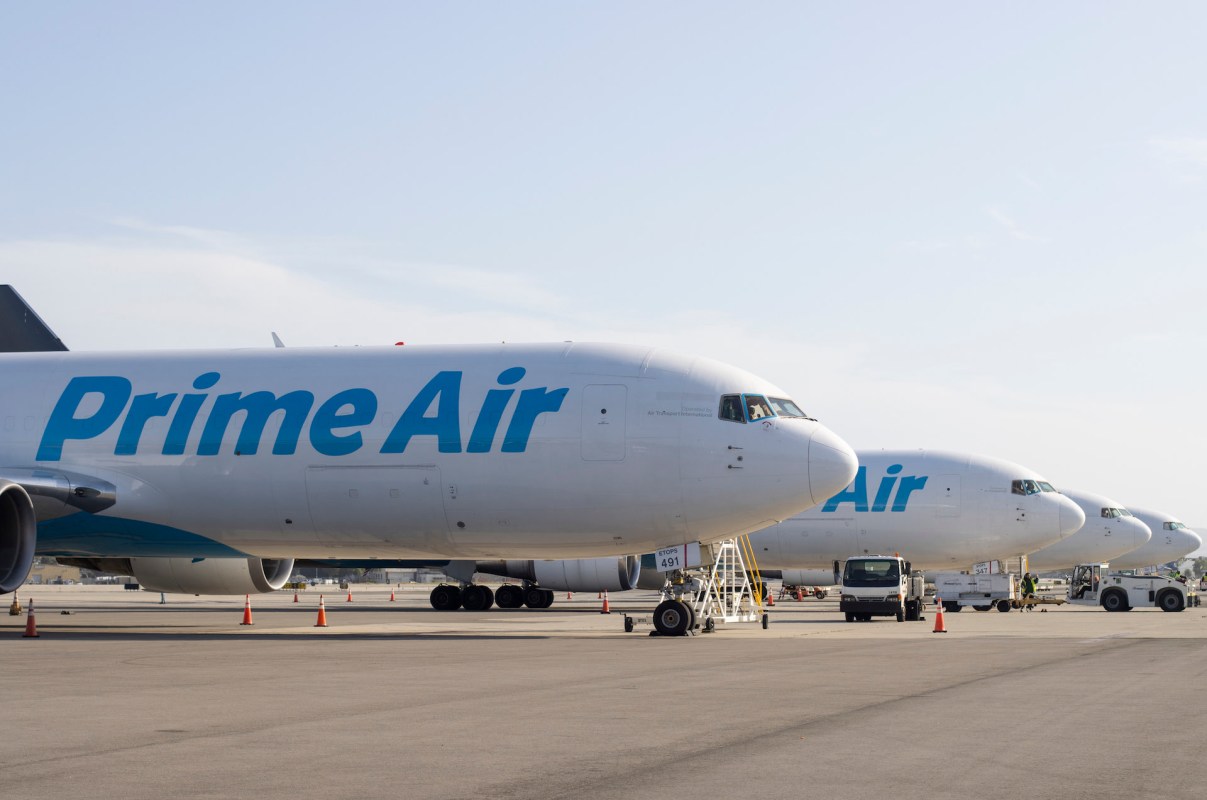
Amazon is fueling its air cargo fleet with something new: a cleaner kind of jet fuel. In a move that could reshape how packages move across the country, the retail giant just announced an expanded partnership with Neste to supply 7,500 metric tons of sustainable aviation fuel (SAF) to its operation at two major West Coast airports.
The renewable fuel will be used at San Francisco International Airport (SFO) and Ontario International Airport (ONT), reported Sustainability Magazine, making Amazon the first-ever company to use SAF at ONT. It's part of Amazon's broader climate goal to reach net zero carbon emissions across its operations by 2040, an ambitious target for a company that moves millions of packages a day through an energy-hungry logistics network.
Switching to SAF won't eliminate emissions entirely, but it can significantly reduce them. Neste says its fuel can cut greenhouse gas pollution by up to 80% over its lifecycle when used in its purest form and 50% when combined with conventional jet fuel. And SAF can be integrated into existing airport infrastructure; it's already being pumped through pipelines at SFO and delivered by renewable diesel-powered trucks at ONT.
Carl Nyberg, senior vice president at Neste, called the new partnership a "milestone" that proves SAF is not just theoretical. "This … sends a positive signal that SAF is available to airlines and cargo operators, like Amazon Air at these airports," he said. "This demonstrates how renewable fuels can help our customers easily reduce greenhouse gas emissions across different transportation modes."
Amazon's expanded use of SAF builds on a relationship with Neste that began four years ago in Germany at the Cologne Bonn Airport. It also marks a growing focus on slashing pollution from the company's air operations, one of the hardest areas to decarbonize in the shipping industry.
While Amazon still has a long way to go — earlier reporting has revealed the company's staggering pollution from its data centers and overreliance on plastic packaging — this move builds on recent progress, including its rollout of electric delivery vans and efforts to cut waste in its shipments.
Investments like this one are a step toward cleaner air for the communities surrounding major airports and a shift toward climate conscious shipping that doesn't come at the cost of convenience.
|
Would you be more willing to buy an EV if it could travel over 600 miles per charge? Click your choice to see results and speak your mind. |
 Definitely 👍
Join our free newsletter for good news and useful tips, and don't miss this cool list of easy ways to help yourself while helping the planet.
Cool Picks





