


A Houston homeowner went to bed with an air conditioner that appeared completely dead and a house at 82 degrees.
The system was running again when the homeowner checked it, turning the episode into the kind of frustrating HVAC mystery that can lead people to try quick, low-cost fixes.
Here's what to know
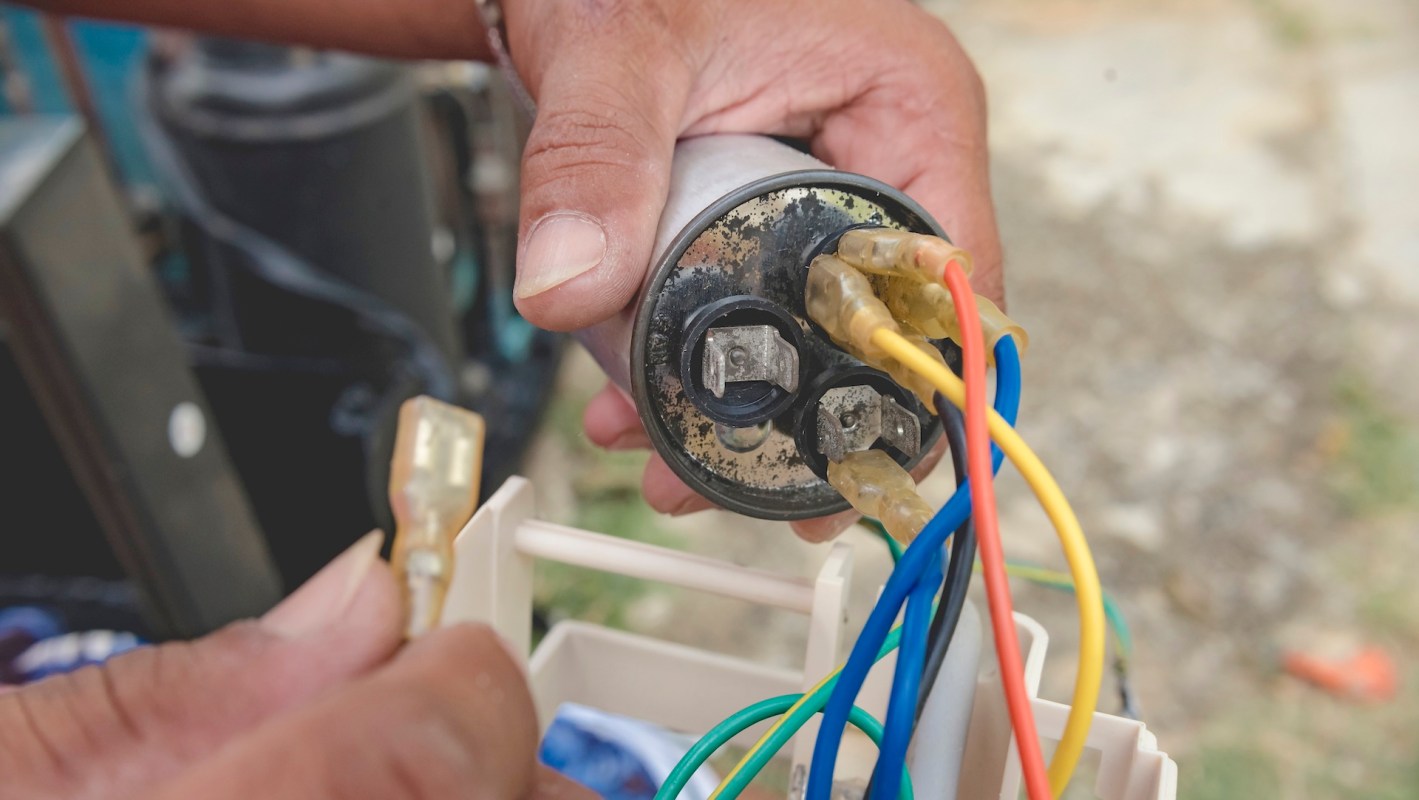
In a Reddit post, the homeowner said the outdoor unit appeared completely inactive: neither the compressor nor the fan would come on, even after the thermostat was turned all the way down. Because the system had been "very loud," the homeowner replaced the capacitor and contactor.
"I'm just wondering, is there any other causes to this that I need to rule out so that it does not happen again?" the poster wrote.
Commenters said there could be. One advised, "Check your condensate drain line; if it backs up, the float switch kills everything till it dries out."
Another commenter pointed to compressor overheating as a possibility: if the condenser fan failed, the compressor could shut itself off until it cooled, which would fit a situation where the AC seemed dead and then worked again after it cooled.
TCD Picks » Quince Spotlight
💡These best-sellers from Quince deliver affordable, sustainable luxury for all




More background
This kind of intermittent failure can be frustrating for homeowners because the system may look perfectly normal by the time anyone gets a chance to inspect it. That can make it hard to determine whether the real issue is drainage, a failing fan motor, a weak capacitor, a bad contactor, or even loose hardware.
The loud noise also stands out. One commenter noted, "Yes. Compressor cause loud noises. Fan motor can cause loud noises. Loose screws can cause loud noises."
The sound itself may be the clue, even if the shutdown was temporary.
The appeal of a DIY fix is easy to understand. The original poster acknowledged that directly, writing, "Nah, no troubleshooting. Cheaper to replace parts than just a dx call."
Still, the cost-saving benefit only holds if the replaced parts were actually the problem. If not, homeowners can end up paying for both the parts and the eventual service call.
What can be done?
If a system shuts down and comes back on, simple causes such as a clogged condensate drain line may be worth checking first. A float switch may cut power to protect the system from water damage.
Other basic checks include listening for noise from the outdoor unit, confirming the condenser fan is spinning normally, and looking for visible vibration or loose screws. Those checks can cost little or nothing.
However, intermittent HVAC problems are not always ideal DIY jobs. If the issue involves electrical testing, a fan motor, compressor overheating, or repeat shutdowns, a professional diagnosis may be the most cost-effective move because it can prevent repeated part-swapping and reduce the risk of damaging more expensive components.
Where can I learn more?
When an AC quits and then starts working again, it's easy to go for the fastest fix. These stories show how quickly costs can climb when the real problem gets missed, while also pointing to a few maintenance habits that may help prevent another breakdown.
• In Texas, one homeowner returned to an 82-degree house before an AC recharge led to a $9.7K replacement.
• One homeowner found a thermostat hack that cut the household bill in half.
• A sustainability expert said using AC dry mode helped lower warm weather cooling costs.
Small maintenance steps and early warning signs can be the difference between a manageable repair and a much bigger bill. For homeowners dealing with a shutdown like this, that context can make the next move a little clearer.

Get TCD's free newsletters for easy tips, smart advice, and a chance to earn $5,000 toward home upgrades. To see more stories like this one, change your Google preferences here.






