


The thermostat was set to 76, but when a Texas homeowner returned from vacation, the inside of the house had risen to 82 degrees.
What seemed at first like a relatively simple AC service call quickly escalated into a much costlier summer choice: moving ahead with a $9,700 full-system replacement.
What happened?
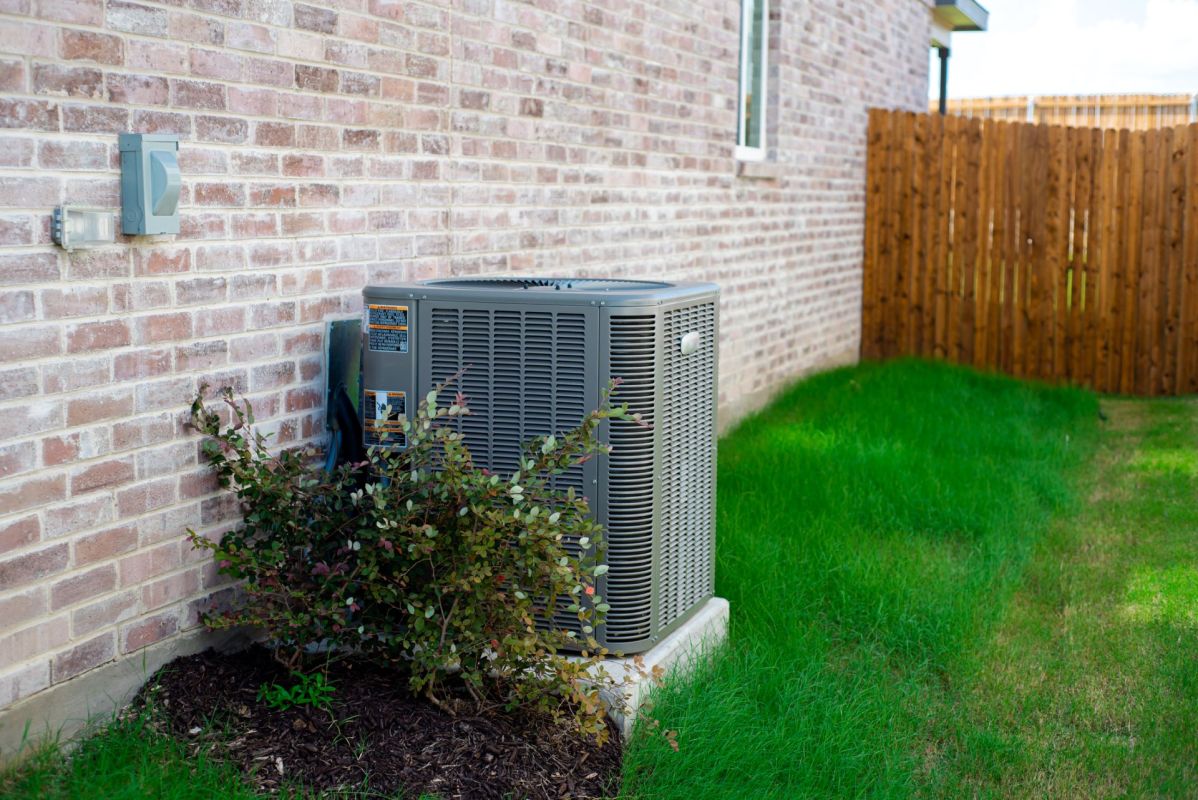
In a post on Reddit, the homeowner said their 2017 Amana R410A, 5-ton single-stage air-conditioning system had stopped cooling a 2,700-square-foot, two-story home in Texas. A technician checked the pressures at the outdoor condenser, said there was likely a "major leak," and charged $300 to add refrigerant.
Any improvement was short-lived.
Afterward, the homeowner noticed oil stains around the outdoor condenser, which made them suspect the leak may have already been there. "The AC started working and cooling. But this lasted just a day," the original poster wrote.
Several companies then recommended replacement rather than spending more money trying to find the leak, the homeowner said. They were also told that, as the second owner of the house, they likely would not be able to use the original warranty. The best quote they received was "around $9.7K including the furnace and $7.7K without furnace," and they decided to move forward with the full replacement.
Heat pumps are significantly more energy-efficient than traditional HVAC systems because they provide both heating and cooling in one setup, and they can also unlock tax credits, rebates, and utility savings. Homeowners can compare options through EnergySage's Heat Pump Marketplace.
For people who don't need a whole-home replacement, Merino offers single-room HVAC systems. It's a more targeted heating and cooling option.
Crushed by your bills? See instant solar savings from vetted installers in just a few clicks With energy prices through the roof, there's never been a better time to go solar — and EasyHome can help you find the best prices from the best installers in your area. EasyHome takes the guesswork and headaches out of energy upgrades by showing you estimated savings from a network of vetted local partners. To get started, just enter your ZIP and share a few details about your home — seeing your estimate is really that easy. |

Why does it matter?
An HVAC failure in the middle of a Texas summer is not just frustrating, it can quickly become a serious health, comfort, and financial problem.
When a refrigerant leak is severe enough that a recharge lasts only a day, homeowners can end up paying for repeated service calls, temporary fixes, and an emergency replacement in rapid succession. The situation also shows how quickly a "repair versus replace" decision can become costly once a central air system starts failing outside warranty protection.
Even if a leak can be identified and repaired, the total cost can rise quickly after labor, refrigerant, diagnostics, and any damaged components are added in. On top of that, older systems that are already struggling often run longer and use more electricity, which can push monthly utility bills even higher.
A more efficient replacement, especially a heat pump, can help lower those ongoing costs while providing both heating and cooling through one system.
What can I do?
If your AC suddenly stops cooling, experts often recommend getting at least one additional opinion before signing a major contract, especially if the initial diagnosis comes from a quick pressure check. It can also help to ask where the leak is located, whether a dye or nitrogen test is necessary, what the repair would cost, and whether replacement parts are still available.
If replacement ends up being the better option, compare equipment efficiency, warranty terms, and whether switching technologies could reduce your utility bills over time. Homeowners interested in cutting electricity costs even further can also use EnergySage to compare free solar quotes and get incentives for solar purchases and installations.
And if you're weighing a full HVAC upgrade, it may be worth revisiting EnergySage's Heat Pump Marketplace near the end of the process to compare high-efficiency heating and cooling options side by side.

Get TCD's free newsletters for easy tips, smart advice, and a chance to earn $5,000 toward home upgrades. To see more stories like this one, change your Google preferences here.






