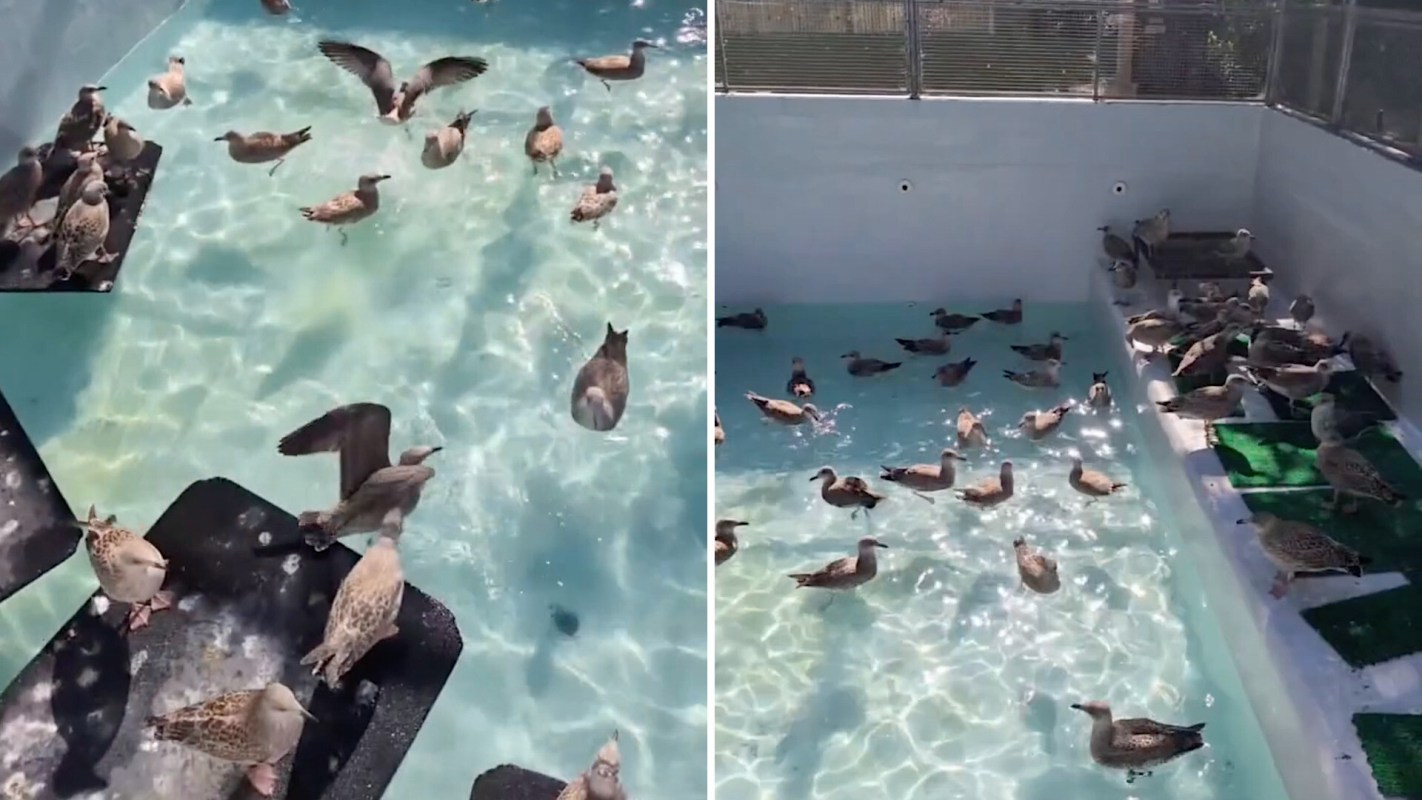
Wildlife rescue centers in England and Wales are being pushed to the brink as drought conditions leave hedgehogs, owls, gull chicks, and other animals severely dehydrated, as BBC News reported.
The crisis is also showing how prolonged heat and disappearing water can ripple through entire communities from the local environment to rescuers.
Here's what to know
Across the hardest-hit areas, charities say repeated heatwaves and unusually dry weather have pushed wildlife into crisis, according to the outlet. Animals are losing access to food and water, while fires and shrinking wetlands are leaving them with less safe habitat.
Since the first heatwave in May 2026, the Nuneaton and Warwickshire Wildlife Sanctuary says it has been overwhelmed, BBC News reported. Its hospital is packed with hedgehogs and hoglets that members of the public found sick and distressed after dry conditions left the ground too hard to dig in and water increasingly scarce.
Emma Hudson, assistant manager at the sanctuary, described the conditions to the outlet in stark terms.
"It's been unprecedented, [they have] been really struggling with the heat... they just need fluids and time in the shade to recuperate," Hudson told BBC News.
TCD Picks » Quince Spotlight
💡These best-sellers from Quince deliver affordable, sustainable luxury for all




Similar pressure is showing up at the RSPCA, per the outlet. During June and July 2026, its four wildlife sanctuaries took in 1,297 herring gull chicks suffering from heat distress, up from 380 in the same period of 2025. Over that same stretch, the charity said the number of dehydrated and orphaned hedgehogs in its care was 30% higher than in the same period of 2025.
More background
The problem extends far beyond rescue centers. When drought dries up ponds, hardens soil, and scorches vegetation, it weakens the ecosystems that support birds, insects, and mammals.
One sign of the broader damage is at Brandon Marsh in Warwickshire, where BBC News said falling water levels have caused one lake to dry up entirely. Habitat losses on that scale can reduce the space available to wildlife and slow recovery even after temperatures start to ease.
Karl Curtis, director of nature reserves for Warwickshire Wildlife Trust, said the drought is worsening an already serious situation.
"It's sort of a bit of a double whammy, where a lot of wildlife relies on food and water... but when you've got hard ground, baking hot sun and no water, that food just becomes scarcer," Curtis explained to BBC News.
He also indicated to the outlet that depleted water systems would need months of steady rain to recover, so cooler weather would not quickly undo the damage already caused by drought and fires.
What can be done?
For people with gardens, BBC News noted wildlife groups say a few practical steps can help animals cope with extreme heat. Regularly refilled shallow bowls of water can give hedgehogs and other small animals a place to drink.
Bird baths should be kept topped up as well, since birds depend on water not just for drinking but also for bathing and maintaining their feathers. In shallow bowls, adding stones can help insects climb back out if they fall in, the outlet said.
Shade can help, too. The Wildlife Trusts recommend leaving out logs and allowing plants to grow taller, creating a garden that stays a bit "messy" and gives animals more cover from direct sunlight.
Another step is to clear paths to ponds where water levels have fallen, making it easier for animals to reach the water that remains. Those measures will not end the drought, but they can offer immediate relief for wildlife as communities contend with increasingly hot, dry conditions.

Get TCD's free newsletters for easy tips, smart advice, and a chance to earn $5,000 toward home upgrades. To see more stories like this one, change your Google preferences here.