


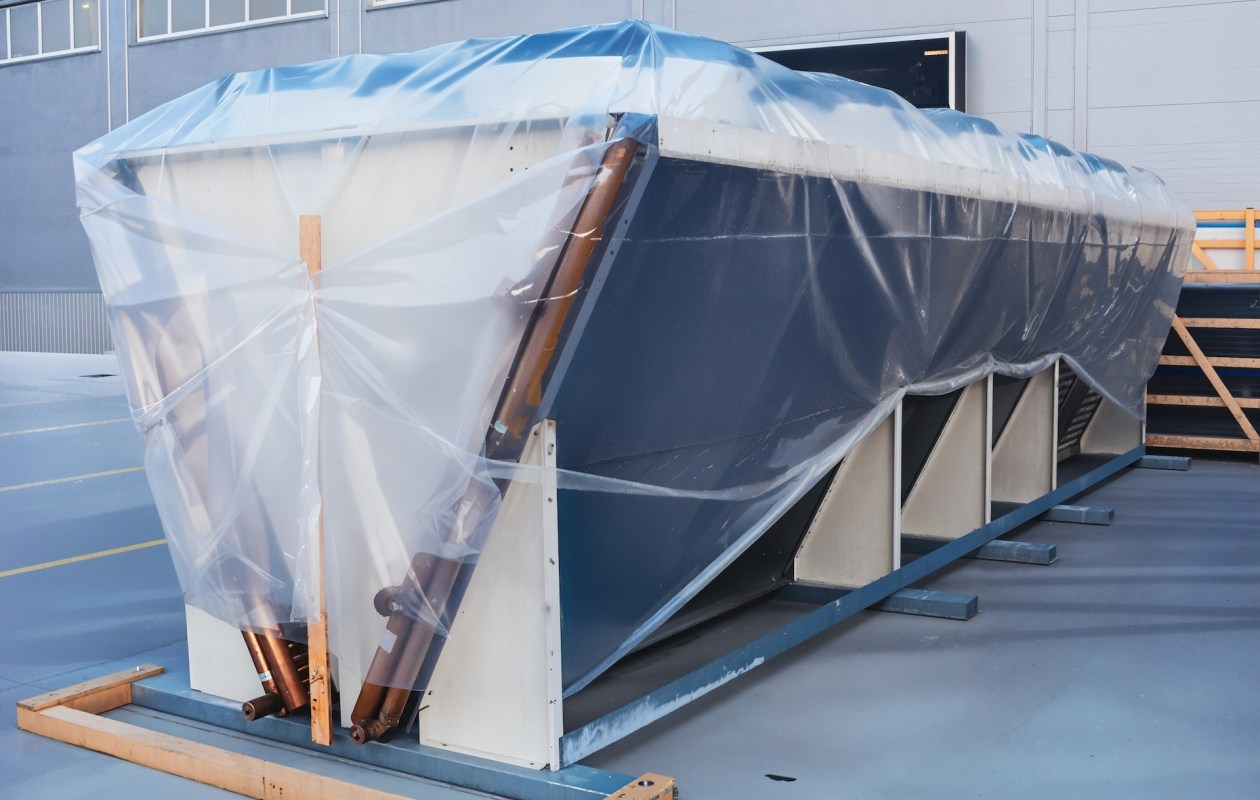
In June, U.S. manufacturers shipped 21.7% more central air conditioners and air-source heat pumps than last year, according to a recent Air-Conditioning, Heating, and Refrigeration Institute report.
That made June the biggest year-over-year gain of the current five-month upswing, following a long stretch of weakness.
Here's what to know
The AHRI data shows a sizable increase in cooling and heating equipment shipments.
Air conditioners accounted for much of that growth, with A/C shipments up 26.8% from a year earlier. Shipments of air-source heat pumps also rose, increasing 15.1%.
A nine-month run of annual declines began in May 2025, but June extended the recovery to five straight months of year-over-year growth. It was also the strongest increase during that stretch.
June is typically one of the busiest months of the year for HVAC shipments, so part of the increase likely reflects seasonal demand. It also came against an easier comparison, as June 2025 shipments for both categories had fallen 22% from the prior year.
TCD Picks » Quince Spotlight
💡These best-sellers from Quince deliver affordable, sustainable luxury for all




From January through June, manufacturers shipped almost 4.72 million units in those categories, up 3% from the same period in 2025. AHRI's figures also include commercial equipment, and the next market update — July shipment data — is expected in September.
More background
Shipment data does not directly measure consumer purchases on a one-to-one basis, but it can still offer a snapshot of demand across the HVAC industry.
When shipments rise, it can suggest that distributors, contractors, and property owners are seeing enough activity to keep ordering more equipment.
The market is driven heavily by replacement demand. Many homeowners do not replace an air conditioner or heat pump until an older unit fails, becomes too expensive to repair, or can no longer keep up with extreme temperatures.
The housing market can also influence HVAC demand. Existing home sales often help drive replacements, since buyers and sellers are likely to choose to upgrade an aging system during a move. But at the same time, high mortgage rates can make homeowners more reluctant to take on costly home improvements.
Heat pumps stand out because they can both heat and cool a home. As more consumers look for efficient ways to manage comfort and energy costs, heat pump shipment growth may reflect shifting preferences.
What can be done?
Equipment choice matters when an older system is nearing the end of its lifespan. A replacement may involve comparing a standard central air conditioner with an air-source heat pump, especially in places where both heating and cooling costs can add up.
Getting multiple quotes from licensed installers can make a significant difference. Contractors may be able to determine whether a home truly needs a like-for-like replacement or whether better insulation, duct sealing, or a properly sized system could improve comfort while lowering monthly energy bills.
Routine maintenance also remains one of the easiest ways to protect an existing unit. Changing filters, cleaning coils, and scheduling seasonal tune-ups can help a system run more efficiently and may delay the need for a costly emergency replacement during peak summer demand.

Get TCD's free newsletters for easy tips, smart advice, and a chance to earn $5,000 toward home upgrades. To see more stories like this one, change your Google preferences here.






