


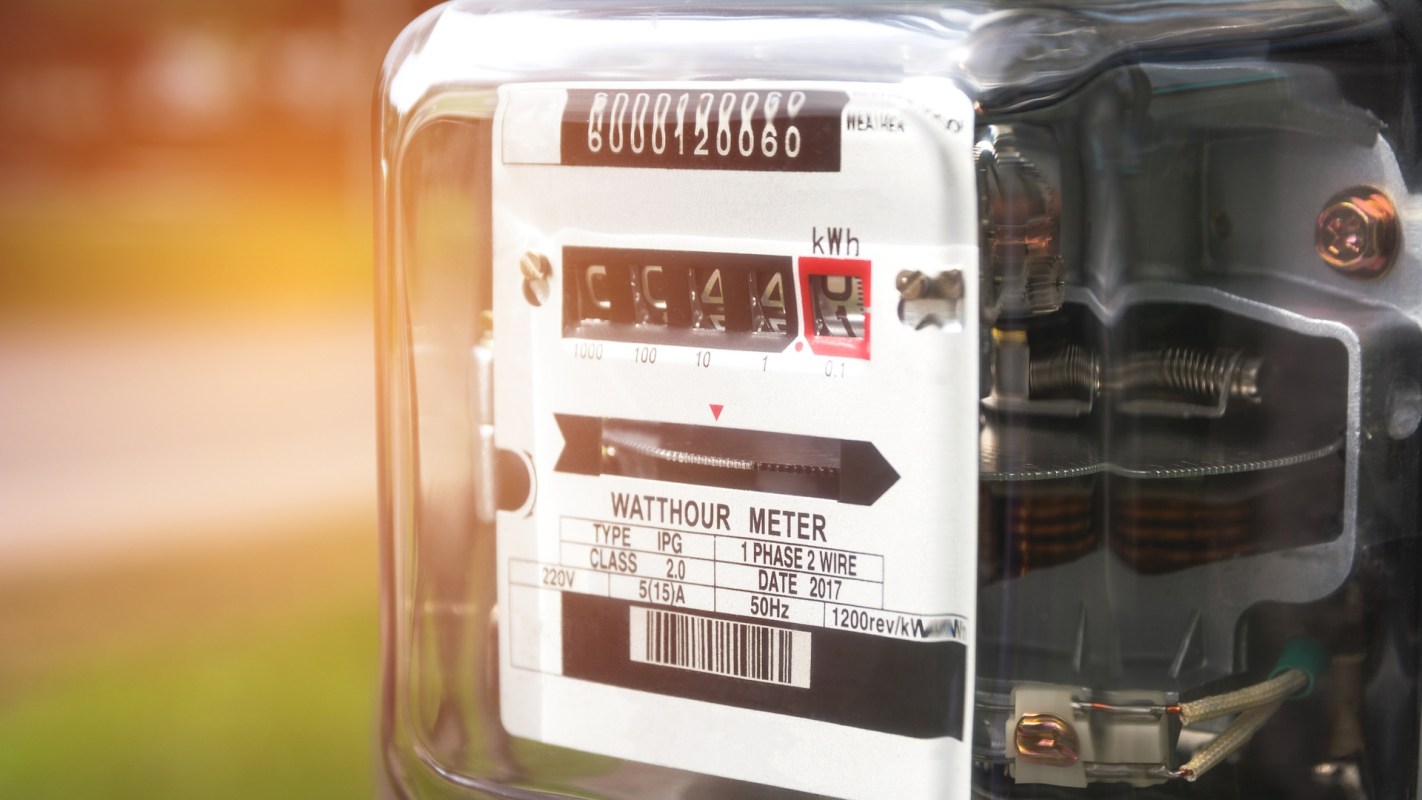
The July 4 weekend brought dangerous heat to much of the United States, and for many households, that also means another problem: pricier electricity.
CBS News reported that the National Energy Assistance Directors Association expects summer cooling costs to be 10.5% higher than they were a year earlier, adding to the strain on families already keeping a close eye on monthly expenses.
What's happening?
According to the National Energy Assistance Directors Association, electricity prices have been rising faster than inflation overall, a trend driven by data-center demand, gas prices, and continued grid repairs, as reported by CBS News and shared by AOL.
At the same time, extreme heat is putting added strain on both household budgets and the grid itself. The National Weather Service said heat alerts on July 3 covered more than 185 million people as cities across the Northeast approached record highs.
Energy economist Mike Wolfe said that although consumers cannot control utility rates, they can make more deliberate choices about how they cool their homes. Instead of making a large thermostat adjustment all at once, he recommends increasing the temperature gradually.
Wolfe said, "For every one degree you turn your cooling up, you can save 3% on your electric bill."
TCD Picks » Quince Spotlight
💡These best-sellers from Quince deliver affordable, sustainable luxury for all




In New York City, CBS News reported that Mayor Zohran Mamdani urged residents to help reduce pressure on the grid by keeping air conditioners set around 78 degrees, turning off unused lights and electronics, and unplugging nonessential devices.
Why does it matter?
For many households, summer cooling is not optional. But the rising cost of staying safe and comfortable can force difficult trade-offs, especially for people already stretched by rent, groceries, and transportation expenses. A 10.5% increase in seasonal cooling bills could be especially hard on families living paycheck to paycheck.
When millions of people rely heavily on air conditioners during a heat wave, electricity demand surges, placing greater strain on aging infrastructure and increasing the risk of grid disruptions.
Simple steps at home can help lower bills while also easing that pressure, especially during peak afternoon and evening hours.
What can I do?
CBS News reported that Wolfe's main recommendation is to raise the thermostat by about one degree every couple of days, with 78 degrees Fahrenheit as the upper limit. That gradual approach can make the transition feel easier while still cutting electricity use.
He also said that households can raise the temperature when the home is empty and lower it after they return. Doing so can help avoid running the air conditioner at full power all day when it isn't necessary.
Another low-cost option is reducing how much sunlight heats the home. As CBS News summarized Wolfe's advice, using blinds, shades, or shutters when the sun is strongest can keep indoor spaces cooler and lessen the amount of work the AC has to do.
Regular maintenance can also make a difference. A serviced air conditioning system typically uses less electricity than one that has gone unchecked, and addressing problems early may help prevent more expensive repairs later.
"There's nothing people can do about the price of electricity," Wolfe told CBS News. "But they can manage their electric consumption more efficiently."

Get TCD's free newsletters for easy tips, smart advice, and a chance to earn $5,000 toward home upgrades. To see more stories like this one, change your Google preferences here.






