


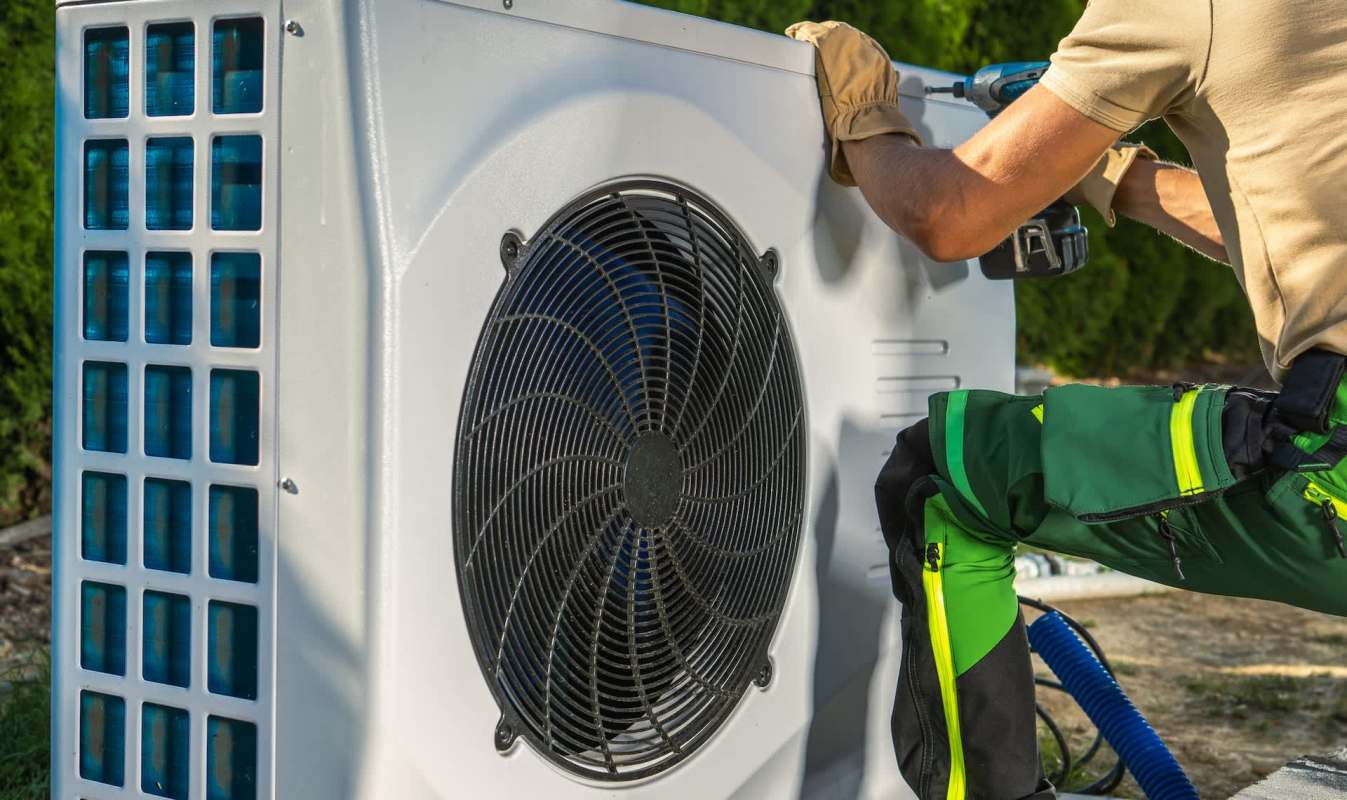
Heat pumps hit a notable benchmark in the U.S. market this year: for the first time, September sales narrowly surpassed those of air conditioners.
What's happening?
A recent discussion on Reddit used a Canary Media story to spotlight the increasingly close competition in 2025 between heat pumps and conventional AC units, with heat pumps finally moving ahead in September.
Numbers cited in the thread show opposite year-over-year trends: Heat-pump sales were up 1%, while air-conditioner sales were down 8%. Those shifts came even after the federal incentives that had supported heat-pump adoption were repealed last year, though they remained good after the repealing through the end of 2025.
The person who started the thread also drew on eight years of living with a heat pump, which helped push the conversation beyond sales data and into a broader argument about whether the economics work in every region, particularly in colder northern states.
From there, the comments became a practical — and sometimes heated — back-and-forth about climate, costs, and what homeowners should actually expect from these systems.
Why does it matter?
Because a heat pump can provide both heating and cooling, it can replace separate equipment while often using less energy. For some households, that means lower utility costs over time and less pollution from home heating that contributes to rising global temperatures.
TCD Picks » Quince Spotlight
💡These best-sellers from Quince deliver affordable, sustainable luxury for all




Heat pumps can perform two to four times as efficiently as fossil-fueled heating, according to Canary Media, offering a low-emissions way to keep homes warm.
At the same time, the Reddit thread showed why adoption does not look the same everywhere. A recurring focus was the "spark gap," which was noted by one commenter as the difference between local electricity and gas prices, because that spread can determine whether replacing a furnace with a heat pump saves money at all.
Cold-weather concerns are another reason some buyers hesitate. Even though modern cold-climate models have gotten much better, homeowners in northern states still compare air-source units with costlier ground-source systems and think about backup heat, winter efficiency, and grid strain during peak demand.
However, one Redditor mentioned a positive of heat pump technology, saying that "newer heat pumps can be specifically tuned for really cold, subzero weather."
Sticker price remains a major source of confusion as well. Many people wonder why a heat pump can cost more than a standard AC system when the equipment appears so similar, but installation difficulty, proper sizing, cold-climate features, and contractor familiarity can all raise the final quote.
One user commented that adoption might not be universal for everyone: "The problem is in places like here in the upper Midwest, natural gas is so freaking cheap and the infrastructure is already in place to ensure that's the case for a very long time."
What can I do?
Even with federal incentives gone, some states, utilities, and local programs still offer rebates or financing for efficient electric heating and cooling equipment.
If you are comparing a heat pump with a standard AC and furnace replacement, it can help to get multiple quotes and ask contractors for a full load calculation rather than a simple like-for-like swap. It is also worth requesting estimated operating costs based on local electric and gas rates, since that is where the "spark gap" becomes a real budget issue.
Homeowners in colder regions may also want to ask whether a dual-fuel setup makes sense. In some cases, pairing a heat pump with backup heat can offer a middle-ground solution while still cutting fuel use for much of the year.
If the upfront numbers seem steep, weatherizing the home first — through insulation, air sealing, or duct improvements — can sometimes reduce the size of the system needed and improve the payback over time.
For now, the discussion still comes back to the same issue: whether the "spark gap" makes a heat pump a practical fit for a particular home, climate, and budget.

Get TCD's free newsletters for easy tips, smart advice, and a chance to earn $5,000 toward home upgrades. To see more stories like this one, change your Google preferences here.






