


For many homeowners, backup power is mostly a matter of convenience.
But for one terminally ill man, it has become a much more urgent calculation. He needs to ensure his breathing machine and other critical medical equipment remain running during an outage.
Here's what to know
The man sought advice from Reddit's r/Generator community.
"I have NO idea where to even begin for this," the original poster wrote, adding: "I'm gonna be dead in 2-4 years so a whole home [system] seems overkill, but my breathing machine can only last 6 hours on battery so if it goes out I'm dead as well lol. … How do I go about figuring out what I need."
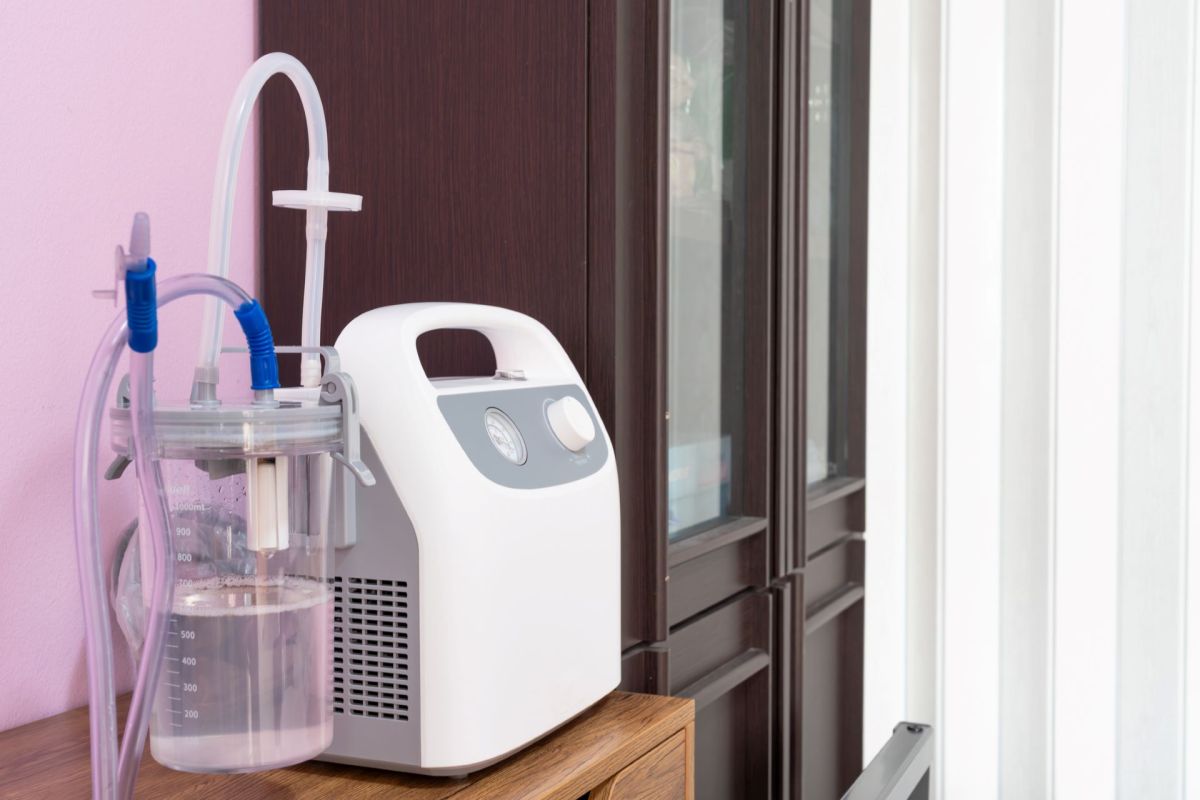
He said backup power might be needed not just for the breathing machine, but also for wheelchair charging, suction and cough-assist equipment, and the adjustable medical bed. The OP added that he would prefer "one of those larger battery generator types."
To help others estimate the need, the OP also shared the breathing machine's electrical requirements: 100-240 volts at 50-60 hertz, with 90-watt continuous draw and 120-watt peak.
TCD Picks » Quince Spotlight
💡These best-sellers from Quince deliver affordable, sustainable luxury for all




While 90 watts may not sound especially high, six hours of operation still requires hundreds of watt-hours of backup energy before efficiency losses are even factored in, and that covers only one device.
The dominant advice in the replies was to consider a whole-house standby unit instead of relying on a smaller portable system, if the family could manage the cost.
One commenter wrote: "If you can afford it a whole house generator is the way to go. Auto kick on and auto switch over. In my area they add value to a house, so your family would recoup some of the cost on the sale end if they sell the house after you pass."
Another similarly added: "Just get the whole house generator, it comes on a few seconds after your power goes out and if it's sized right, you can run everything."
Several other commenters pointed to reliability and the physical burden involved, especially for the poster's wife and young child if the power failed without warning.
More background
Many commenters emphasized automatic standby systems. A portable generator, or even a large battery pack, may cost less upfront, but it can also require manual setup, extension cords, storage, and added stress during a storm or in the middle of the night.
As one commenter put it, "a portable generator is work when it needs to be used and then more work when it needs to be shut off and stored."
The thread also suggested starting with a basic but essential checklist. Identify every device that must remain powered, note each unit's continuous and peak wattage, and separate truly life-sustaining equipment from less critical loads.
Powering only the essentials can significantly reduce costs compared with sizing a system for an entire home. Still, if a household also needs heating or cooling, water service, refrigeration, and automatic switchover without a last-minute scramble, a whole-house generator may be worth the added expense.
The discussion also made clear that reliability, maintenance, and service support matter just as much as sticker price. Commenters praised some brands, criticized others, and debated fuel types, with several arguing that dependability should take priority when medical gear is involved.
One comment summed up the concern clearly, writing, "If I were betting my life on a generator, I'd buy one I knew would run." Another commenter added: "Power outages never come at a convenient time."

Get TCD's free newsletters for easy tips, smart advice, and a chance to earn $5,000 toward home upgrades. To see more stories like this one, change your Google preferences here.







